Everything Beginners Need to Know
If you’ve just received a celiac disease diagnosis, discovered a gluten sensitivity, or are simply exploring a gluten-free lifestyle for better health, welcome, you’re in the right place. Our resources are perfect for gluten free diet beginners. At Gluten Free & More, we’ve been creating delicious, allergen-friendly recipes and trusted resources for over 20 years, helping families transition to gluten-free living with confidence and joy.

This comprehensive beginner’s guide covers everything you need to know: what gluten is, who should avoid it, how to read labels, prevent cross-contamination, set up a safe kitchen, eat out, travel, and maintain balanced nutrition. We’ve included direct links to our most popular tested recipes, plus a free downloadable Gluten-Free Pantry Checklist.
No more confusion at the grocery store or worry at restaurants. By the end of this guide, you’ll feel empowered to build meals that are not only safe but truly satisfying.
Table of Contents
- Everything Beginners Need to Know
- What Is Gluten and Why Does It Matter?
- Who Needs to Go Gluten-Free?
- Celiac Disease Symptoms & Diagnosis
- Foods to Eat & Avoid on a Gluten-Free Diet
- How to Read Gluten-Free Labels (FDA Rules)
- Preventing Cross-Contamination (The #1 Mistake Beginners Make)
- 10-Point Cross-Contamination Prevention Checklist
- Setting Up a Gluten-Free Kitchen
- Eating Out & Traveling Gluten-Free
- Nutrition on a Gluten-Free Diet & Avoiding Deficiencies
- Find the perfect recipe
- Nutrition on a Gluten-Free Diet & Avoiding Deficiencies
- Sample 7-Day Gluten-Free Meal Plan for Beginners
- Frequently Asked Questions
What Is Gluten and Why Does It Matter?
Gluten is a group of proteins naturally found in certain grains, primarily wheat, barley, rye, and their crossbred varieties like triticale. These proteins give dough its elasticity and help baked goods hold their shape, which is why gluten is so common in bread, pasta, cereals, and many processed foods. For most people, gluten is harmless and easily digested. However, for those with celiac disease, non-celiac gluten sensitivity, or a wheat allergy, even tiny amounts can trigger serious health issues ranging from digestive distress to long-term nutrient malabsorption and autoimmune damage.
Where Gluten Hides
Gluten isn’t limited to obvious sources like bread and pasta. It can hide in unexpected places such as soy sauce, salad dressings, beer, malt flavoring, processed meats, and even some medications or cosmetics.
For detailed safe vs. unsafe ingredient breakdowns and substitution charts, see our Ultimate Gluten Free Ingredient Guide.
The Science in Simple Terms
When someone with celiac disease consumes gluten, their immune system attacks the small intestine, damaging the villi that absorb nutrients. Non-celiac gluten sensitivity causes similar symptoms without the intestinal damage. Always consult your doctor for proper testing before starting a gluten-free diet, as self-diagnosis can complicate accurate results.
Who Needs to Go Gluten-Free?
Not everyone benefits from eliminating gluten, but for certain individuals it is a medical necessity. The three main conditions requiring a gluten-free diet are celiac disease, non-celiac gluten sensitivity, and wheat allergy. Each has distinct causes and symptoms, but all improve dramatically once gluten is removed.
Celiac Disease
Celiac disease is an autoimmune disorder in which eating gluten triggers the body to attack the small intestine. Experts estimate about 2 million people in the United States have celiac disease (roughly 1 in 133 Americans), yet most remain undiagnosed. Without treatment, it can lead to serious complications like malnutrition, osteoporosis, infertility, and increased risk of certain cancers.
Non-Celiac Gluten Sensitivity (NCGS)
People with NCGS experience digestive and non-digestive symptoms after eating gluten but do not have the intestinal damage or antibodies seen in celiac disease. Symptoms often improve quickly on a gluten-free diet.
Wheat Allergy
This is a true IgE-mediated food allergy to wheat proteins (not necessarily all gluten). It can cause immediate reactions like hives or anaphylaxis and is managed by avoiding wheat specifically.
Celiac Disease Symptoms & Diagnosis
Symptoms of celiac disease vary widely and can affect every system in the body. Many people experience classic digestive issues, while others have only fatigue, skin problems, or neurological symptoms—sometimes called “silent celiac.”
Common Symptoms
Digestive: bloating, diarrhea, constipation, abdominal pain, nausea. Non-digestive: fatigue, brain fog, anemia, joint pain, depression, skin rashes (dermatitis herpetiformis), headaches, and unexplained weight loss or gain. Children may show growth delays or behavioral issues.
How Diagnosis Works
Diagnosis typically involves blood tests for specific antibodies, followed by an endoscopy with intestinal biopsy while still eating gluten. Never start a gluten-free diet before testing, as it can lead to false-negative results.
Foods to Eat & Avoid on a Gluten-Free Diet
The good news? A gluten-free diet can be incredibly varied and delicious when you focus on naturally gluten-free whole foods.
Naturally Gluten-Free Foods (The Safe Foundation)
Fill your plate with fresh fruits and vegetables, plain meats, fish, poultry, eggs, most dairy (plain milk, yogurt, cheese), nuts, seeds, beans, and legumes. Safe grains and starches include rice, quinoa, corn, buckwheat, millet, amaranth, sorghum, teff, and certified gluten-free oats.
Foods to Strictly Avoid
Completely eliminate wheat (including spelt, kamut, farro, durum, graham), barley, rye, triticale, and any derivatives like malt or brewer’s yeast unless certified gluten-free.
Safe Gluten-Free Grains & Flours
Certified gluten-free oats, rice flour, almond flour, coconut flour, and cornmeal open up endless baking and cooking possibilities.

See the full Ultimate Gluten Free Ingredient Guide for flour swaps
How to Read Gluten-Free Labels (FDA Rules)
Understanding packaging is crucial for staying safe.

What “Gluten-Free” Actually Means
According to current FDA regulations, any food labeled “gluten-free,” “no gluten,” or “without gluten” must contain less than 20 parts per million (ppm) of gluten.
Label Red Flags & Tips
“Wheat-free” does not mean gluten-free. Watch for “may contain wheat,” malt, barley malt, or modified food starch from wheat. Always verify the ingredients list even on certified products.
Preventing Cross-Contamination (The #1 Mistake Beginners Make)
Cross-contamination occurs when gluten-free food comes into contact with gluten-containing particles. Even trace amounts can cause problems.
At Home
Use separate toasters, cutting boards, colanders, and utensils. Clean surfaces thoroughly and consider dedicated gluten-free kitchen tools.
In the Kitchen
Follow our 10-point checklist and train family members on safe practices.
10-Point Cross-Contamination Prevention Checklist
Follow this simple checklist to help keep your kitchen safe from gluten cross-contamination. Print it out and keep it on your fridge or pantry door as a daily reminder.
- [ ] Use a dedicated gluten-free toaster – Never share a toaster with regular bread.
- [ ] Color-code your cutting boards – Use one color (e.g., green) exclusively for gluten-free foods.
- [ ] Keep a separate colander and strainer – Dedicate one for gluten-free pasta and vegetables.
- [ ] Clean all surfaces thoroughly – Wipe counters, tables, and stovetops with hot soapy water before preparing gluten-free meals.
- [ ] Store gluten-free items on higher shelves – Prevent crumbs from falling onto safe foods in the pantry or fridge.
- [ ] Use separate butter, spreads, and condiments – Avoid double-dipping knives into shared jars.
- [ ] Replace porous kitchen tools – Swap out wooden spoons, sponges, and worn cutting boards that can trap gluten particles.
- [ ] Train family members on safe practices – Teach everyone (including kids) about hand-washing after handling gluten and safe food prep.
- [ ] Wash hands frequently – Especially after touching gluten-containing foods or packaging.
- [ ] Label everything clearly – Mark shelves, containers, and leftovers as gluten-free.
Prefer a clean printable version?
Setting Up a Gluten-Free Kitchen
A well-stocked, organized gluten-free kitchen makes daily life effortless.

Pantry Staples & Must-Have Tools
Stock up on rice, quinoa, certified gluten-free oats, nut butters, canned beans, spices, and your favorite gluten-free flours. Essential tools include a dedicated toaster, color-coded cutting boards, and airtight containers.
Download your FREE copy of Setting Up Your Gluten-Free Kitchen

Eating Out & Traveling Gluten-Free
Dining away from home doesn’t have to be stressful.

Restaurant Tips
Call ahead, ask about dedicated fryers and prep areas, and use phrases like “I have celiac disease, can you confirm this is prepared gluten-free?” Many chains now offer gluten-free menus.
Travel Hacks
Pack safe snacks, research restaurants via apps, and bring a travel card listing safe phrases in multiple languages.
Valuable Travel Resources:
Nutrition on a Gluten-Free Diet & Avoiding Deficiencies
Common Shortfalls
Because many gluten-containing products are fortified, people on gluten-free diets may fall short in fiber, iron, calcium, vitamin D, B vitamins (especially folate and B12), magnesium, and zinc.
How to Stay Balanced
Emphasize fruits, vegetables, lean proteins, nuts, seeds, and gluten-free whole grains. Pair iron-rich foods with vitamin C sources and consider a multivitamin if recommended by your doctor.
Dairy & Dairy Free Adaptable Recipe Index
Find the perfect recipe
Search by ingredient, meal type, or keyword to find your next favorite dish.
Nutrition on a Gluten-Free Diet & Avoiding Deficiencies
A gluten-free diet can be nutrient-rich when built around whole foods.
Common Shortfalls
Because many gluten-containing products are fortified, people on gluten-free diets may fall short in fiber, iron, calcium, vitamin D, B vitamins (especially folate and B12), magnesium, and zinc.
How to Stay Balanced
Emphasize fruits, vegetables, lean proteins, nuts, seeds, and gluten-free whole grains. Pair iron-rich foods with vitamin C sources and consider a multivitamin if recommended by your doctor.
Sample 7-Day Gluten-Free Meal Plan for Beginners
Starting a gluten-free diet can feel overwhelming, but a simple, repeatable meal plan makes the transition much easier. This 7-day plan is designed for beginners: it uses mostly whole foods, minimizes expensive specialty ingredients, and draws directly from the hundreds of tested recipes on Gluten Free & More.
Each day includes breakfast, lunch, dinner, and one snack. Most meals can be prepped in under 30–45 minutes. Many are naturally dairy-free, nut-free, or egg-free; check individual recipe tags for your needs.
This is a sample of the variety of delicious food available to you on a gluten-free diet. Hopefully this gives you plenty of ideas for creating your own meal plans.
- Use your Ultimate Gluten Free Ingredient Guide for any flour or starch substitutions.
- Batch-cook proteins or grains whenever possible (e.g., rice, quinoa, or chicken).
- Always verify labels and prevent cross-contamination using the tips earlier in this guide.
- Drink plenty of water and add fresh herbs/spices for flavor.
Monday
- Breakfast: Flax Turmeric Overnight Oats
- Lunch: Creamy Green Chile Chicken and Rice Soup
- Dinner: Gluten-Free One Pot Creamy Garlic Parmesan Pasta with salad and gluten-free garlic bread
- Snack: Matcha Hummus with veggie sticks
Tuesday
- Breakfast: Gluten-Free Whole Grain Pear Muffins with Flax Meal
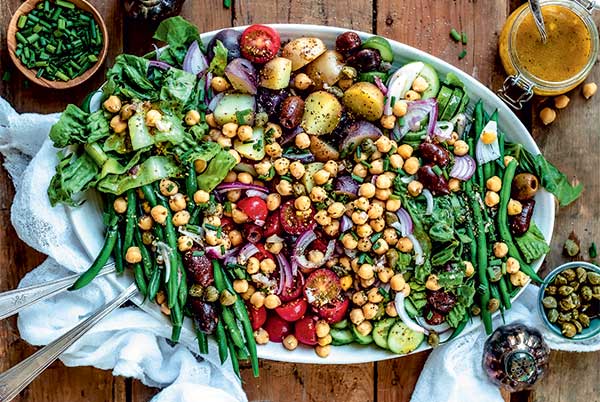
- Lunch: Chickpea Salad Niçoise
- Dinner: Chicken Enchiladas Suizas
- Snack: Fresh fruit with a handful of seeds
Wednesday
- Breakfast: Gluten-Free Bacon and Egg Nests
- Lunch: Leftover Creamy Green Chile Chicken and Rice Soup
- Dinner: Gluten-Free One Pot Enchilada Pasta with a green salad
- Snack: Gluten-Free Jelly Bean Doughnuts (mini version)
Thursday
- Breakfast: Gluten-Free Quinoa Breakfast Bowls with Poached Eggs
- Lunch: Lemon Ricotta Pasta (quick lunch portion)
- Dinner: Roasted Salmon & Asparagus with Easy Dirty Rice
- Snack: Carrot sticks with hummus, store bought or homemade
Friday
- Breakfast: Flax Turmeric Overnight Oats (leftover)
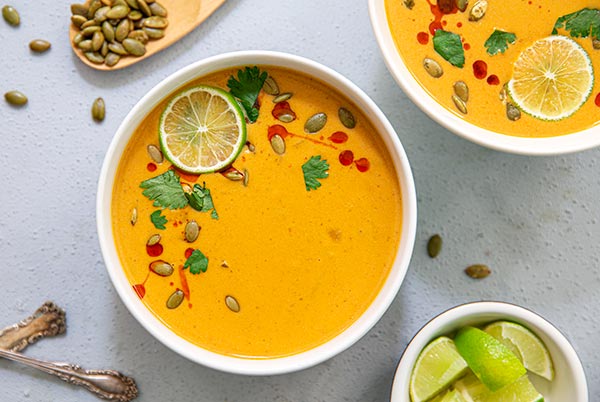
- Lunch: Dairy-Free Thai Pumpkin Soup
- Dinner: Quick Roasted Chicken with Rosemary Roasted Potatoes
- Snack: A piece of gluten-free bread with nut/seed butter
Saturday
- Breakfast: Gluten-Free Mixed Berry Thin Pancakes
- Lunch: Chipotle Chicken Vegetable Soup – use leftover chicken
- Dinner: Easy Beef Brisket with Sweet & Sour Cabbage
- Snack: Fresh fruit
Sunday
- Breakfast: Gluten-Free Sweet Potato Avocado “Toasts”
- Lunch: Brisket Sandwiches with Zingy Garlic Aioli Coleslaw – use leftover brisket
- Dinner: Pineapple Aji Amarillo Glazed Pork Tenderloin with Sweet Thyme Carrots
- Snack: Matcha Hummus leftovers
Browse hundreds more ideas in our Quick & Easy Recipes, Figure Friendly, and Desserts sections.
Frequently Asked Questions
Most people notice some improvement within 2–6 weeks, especially with digestive symptoms like bloating and diarrhea. Fatigue, brain fog, and joint pain may take 4–8 weeks or longer to improve. Full healing of the intestine (if you have celiac disease) can take 6 months to several years. Everyone’s body is different, so track your symptoms consistently.
Yes, but only if they are certified gluten-free. Regular oats are often contaminated with wheat during growing and processing. Certified gluten-free oats are safe for most people with celiac disease and gluten sensitivity. Start with small amounts to see how your body responds.
Always inform the server that you have celiac disease or a severe gluten sensitivity and need a truly gluten-free meal (not just “gluten-free friendly”). Ask about dedicated fryers, separate prep areas, and whether soy sauce or marinades contain gluten. Many restaurants now offer gluten-free menus, but cross-contamination is still a risk. Apps like Find Me Gluten Free can help you find safer options.
Yes, but it requires planning. Pack plenty of safe snacks (nuts, dried fruit, rice cakes, or certified gluten-free bars). Research restaurants and grocery stores in advance using apps like Find Me Gluten Free. For longer trips, consider staying in places with a kitchenette. International travel may need extra preparation; bring a gluten-free dining card in the local language.
A well-planned gluten-free diet can be very nutritious, but some people fall short in fiber, iron, B vitamins, calcium, and vitamin D because many gluten-free products are not fortified. Focus on whole foods like fruits, vegetables, lean proteins, nuts, seeds, and gluten-free grains (quinoa, rice, buckwheat). Regular bloodwork is recommended to monitor nutrient levels.
No. “Wheat-free” does not mean gluten-free. Barley and rye also contain gluten, and many processed foods contain hidden gluten even if they don’t contain wheat. Always look for the “gluten-free” label that meets the FDA standard of less than 20 ppm, rather than just “wheat-free.”
If you have celiac disease, yes — it is a lifelong requirement. For non-celiac gluten sensitivity, many people feel best continuing the diet long-term, but some may eventually tolerate small amounts of gluten. Work with your doctor or a registered dietitian to determine the best approach for your specific situation. Regular check-ups are important either way.
Hopefully this Ultimate Guide to the Gluten-free diet has been helpful. If you have any questions, suggestions, comment, we are happy to hear from you! Feel free to CONTACT US.
Important Medical Disclaimer: This guide is for informational purposes only and is not a substitute for professional medical advice. Always consult your doctor or a qualified medical practitioner before starting any gluten elimination trial or making significant dietary changes.