

Many people suspect gluten is causing their symptoms: bloating, fatigue, brain fog, joint pain, or digestive issues, but face barriers to formal testing. For these people, learning about celiac disease and gluten sensitivity testing alternatives may provide helpful options. Doctor wait times, cost, insurance issues, or already being gluten-free can make blood tests and biopsies difficult or impossible.
If you’re in this situation, you’re not alone. A carefully conducted 30-day strict gluten elimination trial can provide valuable clues about whether gluten is affecting you. While it’s not a substitute for medical diagnosis, many people discover real improvement and decide to stay gluten-free long-term.
This guide walks you through the process step by step, including how to do it safely, what to watch for, potential limitations, and what to do next. Always consult your healthcare provider before making major dietary changes.

Table of Contents
- Why Testing Isn’t Always Possible
- Start with taking the celiac test
- The 30-Day Gluten Elimination Trial: Step-by-Step
- How to Do the Trial Strictly (No Cheating)
- What Symptoms to Track and When You Might Feel Better
- Is It Safe to Go Gluten-Free Without a Diagnosis?
- Potential Risks and Limitations
- How to Tell If Gluten Is the Culprit
- Reintroduce Gluten Carefully
- Next Steps After Your Trial
- Focus on a Balanced Gluten-Free Diet
- frequently asked questions:
- When to Talk to a Professional
- Ready to Start on a Gluten-Free Diet?
- resources to help
- Find the perfect recipe
- Never Miss a recipe

Why Testing Isn’t Always Possible
Getting a formal celiac disease diagnosis typically involves blood antibody tests (while still eating gluten) followed by an intestinal biopsy. Genetic testing for HLA-DQ2/DQ8 can help rule it out but doesn’t confirm it.
Unfortunately, barriers are common: long wait times for gastroenterologists, high out-of-pocket costs, doctors who are unfamiliar with celiac disease, or the challenge of reintroducing gluten after already feeling better on a gluten-free diet. Some people live in areas with limited access to specialists, while others have already removed gluten and don’t want to risk feeling worse just for testing. For these reasons, we have prepared this basic guide for celiac disease and gluten sensitivity testing alternatives
In these cases, a structured elimination trial becomes a practical, real-world way to gather evidence about how your body responds to gluten.
Start with taking the celiac test
Go to our post Could You Have Celiac Disease and see if you have any symptoms of either celiac disease or gluten sensitivity. It only takes a couple of minutes.
The 30-Day Gluten Elimination Trial: Step-by-Step
One of the most effective ways to evaluate how gluten affects your body is through an elimination diet. The goal is simple: remove all sources of gluten for a full 30 days and carefully observe changes in your symptoms.
Step 1: Prepare
Talk to your doctor if possible. Stock your kitchen using our Gluten Free Ingredient Guide and pantry checklist. Plan meals using our Quick & Easy and Balanced Budget recipes.
Step 2: Eliminate Completely
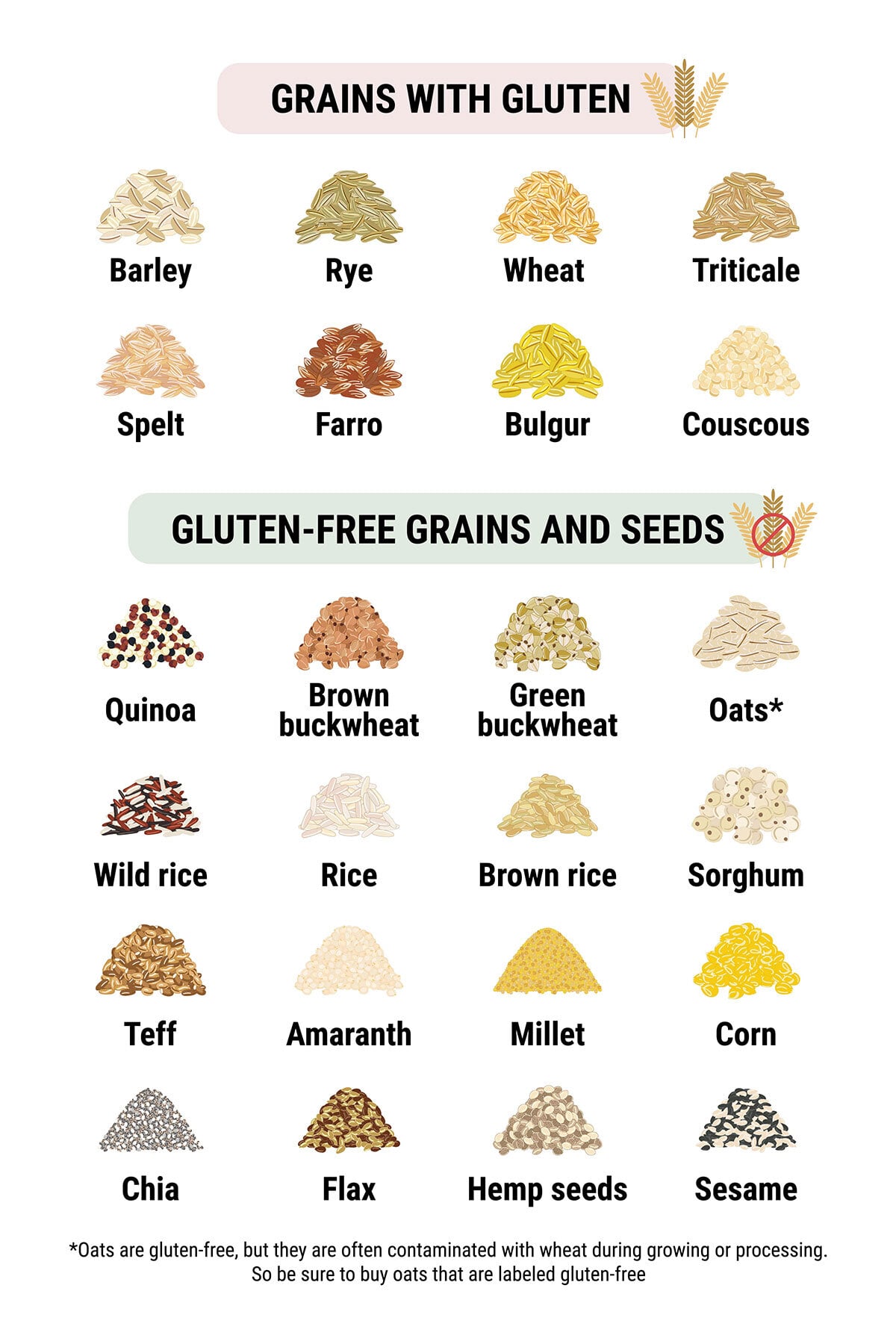
Remove all wheat, barley, rye, and cross-contaminated foods. This includes obvious items (bread, pasta, beer) and hidden sources (soy sauce, malt, processed foods).
Step 3: Track Everything
Use a daily journal or our downloadable tracker to note symptoms, energy levels, digestion, mood, skin, and sleep.
Tracking what you eat and how you feel can help you identify patterns more clearly. This is especially helpful when testing isn’t available, as it provides real insight into how your body responds to certain foods.
Step 4: Evaluate at Day 30
Compare before-and-after notes. Many people notice improvement in 2–6 weeks, though full benefits can take longer.
How to Do the Trial Strictly (No Cheating)
Success depends on being 100% gluten-free. Even small amounts can interfere with results.
Key Rules:
- Read every label using the tips in our label-reading section.
- Avoid cross-contamination (separate toaster, cutting boards, etc.—see Preventing Cross-Contamination in the Ultimate Guide).
- Skip restaurants unless you’re confident in their gluten-free practices.
- Use certified gluten-free oats and products.
- Watch for hidden gluten in medications, supplements, and cosmetics.
What Symptoms to Track and When You Might Feel Better
Common symptoms that may improve include:
- Digestive issues (bloating, gas, diarrhea, constipation, abdominal pain)
- Fatigue, brain fog, headaches
- Joint or muscle pain
- Skin rashes or eczema
- Mood changes (anxiety, irritability)
- Anemia or other nutrient-related issues
Reactions to accidental gluten exposure can be delayed, sometimes 3 to 8 days, so don’t assume a single “cheat” disproves sensitivity. Many people feel noticeably better by weeks 2–4, with digestion improving first and energy/mood following.
Is It Safe to Go Gluten-Free Without a Diagnosis?
For most people, a short-term strict gluten-free trial is generally safe and can even highlight other food sensitivities. Many report feeling better overall when focusing on whole foods.
However, if you have undiagnosed celiac disease, staying gluten-free without monitoring can miss important long-term follow-up (nutrient levels, bone density, etc.). Non-celiac gluten sensitivity is real for some, but other conditions (IBS, FODMAP issues, etc.) can mimic symptoms.
Potential Risks and Limitations
- Nutritional gaps — Gluten-free products can be lower in fiber and certain B vitamins if you rely heavily on processed replacements. Focus on whole foods.
- Missed diagnosis — Without testing, you won’t know if you have celiac disease (which carries higher risks for other autoimmune conditions and requires lifelong vigilance).
- Social and cost challenges — The diet can feel restrictive or expensive initially.
- False confidence — Some people feel better due to overall cleaner eating rather than gluten removal specifically.
A growing body of research notes that long-term gluten-free eating without medical need may not be optimal for heart health or nutrient intake in some individuals.
How to Tell If Gluten Is the Culprit
After 30 days, many people reintroduce gluten intentionally (a “gluten challenge”) under medical guidance to confirm reactions, but this isn’t required if you feel significantly better and prefer to stay gluten-free.
Pay attention to accidental exposures: Do symptoms return consistently? Even silent damage is possible, so ongoing strict adherence matters if you suspect celiac.
Newer research (as of 2025–2026) explores blood tests that may detect celiac even while gluten-free, but these are not yet widely available.
Reintroduce Gluten Carefully
After the elimination phase, you can reintroduce gluten to observe how your body reacts.
What to Watch For
- Digestive discomfort
- Fatigue or brain fog
- Skin issues
- Headaches
If symptoms return, it may be a sign that gluten is not well tolerated.
Next Steps After Your Trial
- If you feel better — Commit to a strict gluten-free lifestyle. Use our recipe index, meal plans, and Ingredient Guide to make it sustainable and enjoyable.
- If no change — Re-evaluate other potential triggers (dairy, FODMAPs, etc.) with a doctor or dietitian.
- Seek professional support — Work with a celiac-knowledgeable dietitian or gastroenterologist when possible.
- Monitor health — Consider periodic bloodwork for nutrient levels even without a formal diagnosis.
Focus on a Balanced Gluten-Free Diet
If you decide to avoid gluten, make sure your diet is still well-rounded and nutritious.

Include:
- Whole, unprocessed foods
- Fiber-rich options like vegetables and legumes
- Lean proteins and healthy fats
This helps support digestion and overall health while avoiding nutrient gaps.
For more detailed information, check out our Ultimate Gluten-Free Ingredient Guide.
frequently asked questions:
Most people start noticing some improvement in symptoms within 2–6 weeks on a strict gluten-free diet, with digestive issues (like bloating or diarrhea) often improving first. Fatigue, brain fog, and joint pain may take a bit longer—sometimes 4–8 weeks or more. However, for the most reliable picture during your trial, commit to a full 30 days. Full intestinal healing (if you have celiac disease) can take 6 months to 2+ years, even after symptoms improve. Everyone’s timeline is different, so track your symptoms daily for the clearest insights.
Don’t panic—one small accidental exposure usually won’t ruin the entire 30-day trial, but it can delay or muddy your results because symptoms from gluten can appear up to 3–8 days later. Note the date, what you ate, and any symptoms in your journal. Then get back on track immediately with strict gluten-free eating. If exposures happen frequently, it becomes harder to tell whether the diet is truly helping, so focus on prevention using our cross-contamination tips and label-reading guidance.
Yes, it’s possible. This is sometimes called seronegative celiac disease. Reasons for false negatives include IgA deficiency (which affects about 2% of people with celiac), being already gluten-free when tested, or very early/mild disease. Blood tests miss celiac in roughly 5–10% of cases in some studies. If symptoms persist despite negative tests, discuss further evaluation (such as an endoscopy with multiple biopsies or genetic testing) with a knowledgeable doctor.
Yes, whenever it’s feasible, especially if your symptoms return, you have a family history of celiac disease, or you develop new concerns like nutrient deficiencies or other autoimmune issues. Some newer approaches or combination testing may reduce the need for a full gluten challenge, but this varies by doctor and location. Even if you feel great gluten-free, a formal diagnosis can help with long-term monitoring, insurance coverage, and family screening.
Short-term (like your 30-day trial), it is generally safe for most people and can even highlight other food sensitivities. Long-term, the main risks come from nutritional gaps if you rely heavily on processed gluten-free products instead of whole foods. Without a celiac diagnosis, you may also miss recommended monitoring for bone density, nutrient levels, or associated autoimmune conditions. Focus on balanced eating (see our nutrition section in the Ultimate Guide) and regular check-ups with your healthcare provider.
Celiac disease is an autoimmune condition that damages the small intestine when gluten is eaten, potentially leading to long-term complications if untreated. Non-celiac gluten sensitivity (also called non-celiac wheat sensitivity) causes similar symptoms (bloating, fatigue, headaches, etc.) that improve on a gluten-free diet, but without the intestinal damage or specific antibodies seen in celiac. The only way to distinguish them clearly is through proper medical testing while still consuming gluten. Many people with NCGS feel significantly better gluten-free without the same lifelong monitoring requirements as celiac.
Yes, conditions like irritable bowel syndrome (IBS), FODMAP sensitivities, wheat allergies, small intestinal bacterial overgrowth (SIBO), or even stress and certain medications can cause overlapping symptoms. If you don’t notice clear improvement after a strict 30-day gluten elimination, it may be worth exploring these with your doctor (possibly through a low-FODMAP trial under guidance or other tests). Keeping a detailed symptom and food journal helps identify patterns beyond just gluten.
Focus on naturally gluten-free whole foods: plenty of fruits, vegetables, lean proteins, nuts, seeds, legumes, and safe grains like rice, quinoa, and certified gluten-free oats. Watch for common shortfalls in fiber, iron, B vitamins, and calcium. Our nutrition section in the Ultimate Guide offers practical swaps. Limit highly processed gluten-free products, which can be higher in sugar, fat, or sodium. Regular bloodwork for nutrient levels is smart, and working with a registered dietitian experienced in celiac or gluten issues can make the diet sustainable and enjoyable.
When to Talk to a Professional
Even if you can’t get tested right away, it’s still a good idea to speak with a healthcare provider or registered dietitian, especially if your symptoms are persistent or severe.
They can help guide you through dietary changes and ensure you’re meeting your nutritional needs.
If you can’t get tested for gluten sensitivity, an elimination diet paired with careful observation can be a practical and effective approach. By paying attention to how your body responds and focusing on balanced, gluten-free meals, you can take meaningful steps toward feeling better, no test required.
It’s not a perfect system. If you have a negative test but still feel better off gluten, trust yourself and trust your body. The good news is that from my experience, I have observed that nothing bad should ever occur to your health from eliminating gluten. In fact, there’s a substance called wheat germ agglutinin that is thought to cause negative health effects in everyone who eats wheat, whether they have celiac disease, gluten sensitivity, or not. Much evidence is growing to support that wheat is just not our friend and shouldn’t be a part of our diet.

Ready to Start on a Gluten-Free Diet?
Download our FREE Setting Up Your Gluten-Free Kitchen now.

resources to help
We have lots of resources that will help you, including:
- All Gluten-Free Recipes Index
- Gluten & Dairy-Free Recipe Index
- Gluten & Egg-Free Recipe
- Reputable organizations: Celiac Disease Foundation, National Celiac Association, Gluten Intolerance Group, and Gluten Free Watchdog for the latest updates.
Find the perfect recipe
Search by ingredient, meal type, or keyword to find your next favorite dish.
Never Miss a recipe
We hope you have found this article on celiac disease and gluten sensitivity testing alternatives informative. If you have any questions or comments, feel free to contact us or leave a comment.
Important Medical Disclaimer: This guide is for informational purposes only and is not a substitute for professional medical advice. Always consult your doctor or a qualified medical practitioner before starting any gluten elimination trial or making significant dietary changes.
Updated April. 2026