
Techniques, Troubleshooting & Recipes
If you’ve ever pulled a dense, crumbly, or gummy loaf out of the oven and wondered “What went wrong?”, you’re not alone. This guide to gluten-free baking will help you discover why gluten-free baking is different from traditional baking and once you understand the why and how, it becomes incredibly rewarding and delicious.
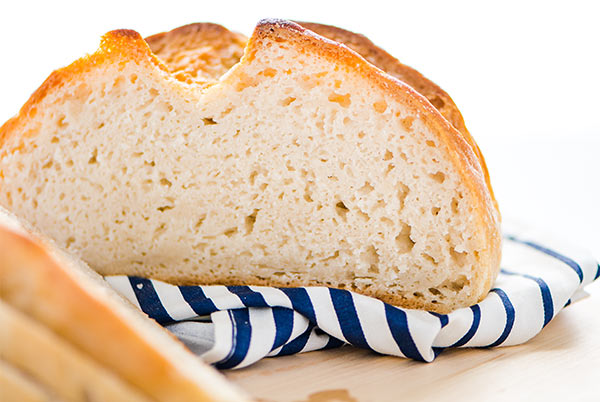
At Gluten Free & More, we’ve spent over 20 years testing and perfecting gluten-free recipes in our test kitchen. This comprehensive gluten free baking guide walks you through everything beginners need to know: why gluten-free baking behaves the way it does, the must-have ingredients and tools, flour blend strategies, common troubleshooting fixes, and pro techniques for success.
We’ve included direct links to our most popular tested recipes so you can start baking with confidence today. Whether you’re making your first loaf of bread or perfecting a birthday cake, you’ll find practical tips and encouragement right here.

Table of Contents
- Techniques, Troubleshooting & Recipes
- Why Gluten-Free Baking Is Different
- Gluten-free baking – Flours
- Troubleshooting Common Gluten-Free Baking Problems
- Storage for Gluten-Free Baked Goods
- Refrigerator
- Frostings & Icings
- Quick Breads, Yeast Breads & Everything In Between + Cookies, Cakes, Pies & More
- quick breads!
- Frequently Asked Questions
- So get baking!
- more helpful resources
- Find the perfect recipe
- Never miss an issue!
Why Gluten-Free Baking Is Different
Gluten is the protein in wheat that gives traditional baked goods stretch, structure, and that perfect chew. Without it, your cookies can spread too much, your bread can turn out dense, and your cakes can crumble apart.
The good news? With the right ingredients and techniques, gluten-free baking can be every bit as delicious, sometimes even better, than the wheat version. In this gluten-free baking guide, we’ll show you exactly how to work with what you have so you get consistent, bakery-worthy results every time.
For detailed flour breakdowns, see our Ultimate Gluten-Free Ingredient Guide.
Essential Ingredients & Tools
You don’t need a professional bakery setup to bake beautiful gluten-free treats — just a few key ingredients and the right tools.
The most important part of gluten-free baking is understanding binders. These replace the stretchy, structure-giving properties of gluten and are what make your cookies hold their shape, your cakes stay tall, and your bread have a good chew instead of falling apart.
Binders
Xanthan gum, guar gum, psyllium husk, and eggs (or egg replacers) replace gluten’s stretch.
- Xanthan Gum – A fermented powder that creates elasticity and helps batters hold together. Use ½ to 1 teaspoon per cup of flour blend. Too much can make baked goods gummy; too little and they fall apart.
- Psyllium Husk Powder – A plant-based fiber that absorbs water and creates a gel-like chew, especially helpful in breads and pizza dough. Use 1 to 2 teaspoons per cup of flour.
- Guar Gum – A natural thickener from guar beans that creates a softer, more tender texture. Use ¼ to ½ teaspoon per cup of flour. Gentler on sensitive stomachs than xanthan gum.
Eggs and Egg Replacements
Eggs are one of the most important binders in gluten-free baking. They provide structure, moisture, leavening, and richness.
- Regular Eggs – Use large eggs for lift and moisture. Eggs serve as a crucial binder, leavening agent, and structural stabilizer, replacing the elasticity and volume lost without gluten.
- Duck Eggs – Excellent for gluten-free baking, providing superior lift, moisture, and richness due to higher fat and protein content.
- Flax Seed “Egg” – Mix 1 tablespoon ground flaxseed + 3 tablespoons warm water. Let sit 5-10 minutes. Best for cookies and muffins.
- Chia Seed “Egg” – Mix 1 tablespoon ground chia seeds + 3 tablespoons warm water. Let sit 5- 10 minutes. Great for cakes and brownies.
- Agar-Agar “Egg” -Mix 1 tsp agar-agar powder + 1 tablespoon water + 1 tablespoon boiling water. Whisk until thickened. Provides strong structure for delicate cakes.
Must-Have Tools
Along with mixing bowls, measuring cups and spoons, spatulas, it is great to have a digital scale, a stand mixer, or a sturdy whisk, parchment paper, and an oven thermometer.
Choosing the Right Pans for Gluten-Free Baking
The pan you choose can make or break your gluten-free bake. Gluten-free batters and doughs behave differently than wheat-based ones — they tend to be more delicate, retain more moisture, and brown faster on the bottom. Using the right pan (and preparing it correctly) helps you get even baking, good rise, and beautiful results.
Best Pans for Beginners
- Light-colored aluminum or stainless steel pans — These are the most reliable for gluten-free baking. They heat evenly and don’t over-brown the bottoms.
- Ceramic or glass pans — Great for cakes, bars, and quick breads. They conduct heat more gently, which helps prevent the outside from drying out before the inside is fully baked.
- Cast iron — Excellent for cornbread, biscuits, and skillet breads, but preheat it well and use plenty of fat.
Pans to Use with Caution
- Dark-colored nonstick pans can cause the bottom of your bake to brown (or burn) too quickly while the center stays underdone.
- Silicone pans are flexible and easy to clean, but they don’t conduct heat as well, so your baked goods may spread more or take longer to bake.
Key Tips for Using Pans Properly
- Always measure the exact size called for in the recipe, too big or too small changes how the batter rises and bakes.
- Line pans with parchment paper for easy release and even better results (especially important for cakes and bars).
- Grease pans generously with shortening, butter, or a gluten-free cooking spray.
- Important: Avoid nonstick cooking sprays that contain wheat flour or wheat-derived ingredients (many “baking sprays” do). Stick to pure oils, shortening, or certified gluten-free sprays.
- For yeast breads and rolls, use metal pans rather than glass, they give a crispier crust and better oven spring.
Gluten-free baking – Flours
Choosing and Mixing Gluten-Free Flours
One of the biggest differences in gluten-free baking is that you rarely use just one flour. The secret is learning how to blend them.
Our Three Favorite Homemade Gluten-Free Flour Blends:
1. All-Purpose Flour Blend
Use cup-for-cup in most recipes. For yeast recipes, add ¾ teaspoon extra xanthan gum per cup of flour.
Ingredients:
- 4½ cups white rice flour
- 1½ cups sweet (glutinous) rice flour
- 2 cups potato starch (not potato flour)
- 1 cup tapioca starch
- 4 teaspoons xanthan gum
Instructions: Whisk all ingredients together well. Store in an airtight container.
Best for: Cookies, cakes, muffins, quick breads, pancakes.
2. High Protein Flour Blend
Excellent for bread, pie crust, and pizza dough. For yeast recipes, add ½ teaspoon extra xanthan gum per cup of flour.
Ingredients:
- 2¼ cups chickpea flour
- 2 cups superfine brown rice flour
- 2 cups potato starch (not potato flour)
- 2 cups tapioca starch
- 4 teaspoons xanthan gum
Instructions: Whisk all ingredients together well. Store in an airtight container.
Best for: Sandwich bread, pie crust, pizza dough.
3. High Fiber Flour Blend
Great for nutritious breads and muffins. For general baking, add 1 tablespoon xanthan gum to the batch. Cookies, use 1½ teaspoons per cup. Yeast recipes, add an extra 2 tablespoons xanthan gum to the batch.
Ingredients:
- 2 cups superfine brown rice flour
- 2 cups sweet white sorghum flour
- 1⅓ cups tapioca starch
- ⅔ cup potato starch (not potato flour)
Instructions: Whisk all ingredients together well. Store in an airtight container.
Best for: Nutrient-dense breads and muffins.
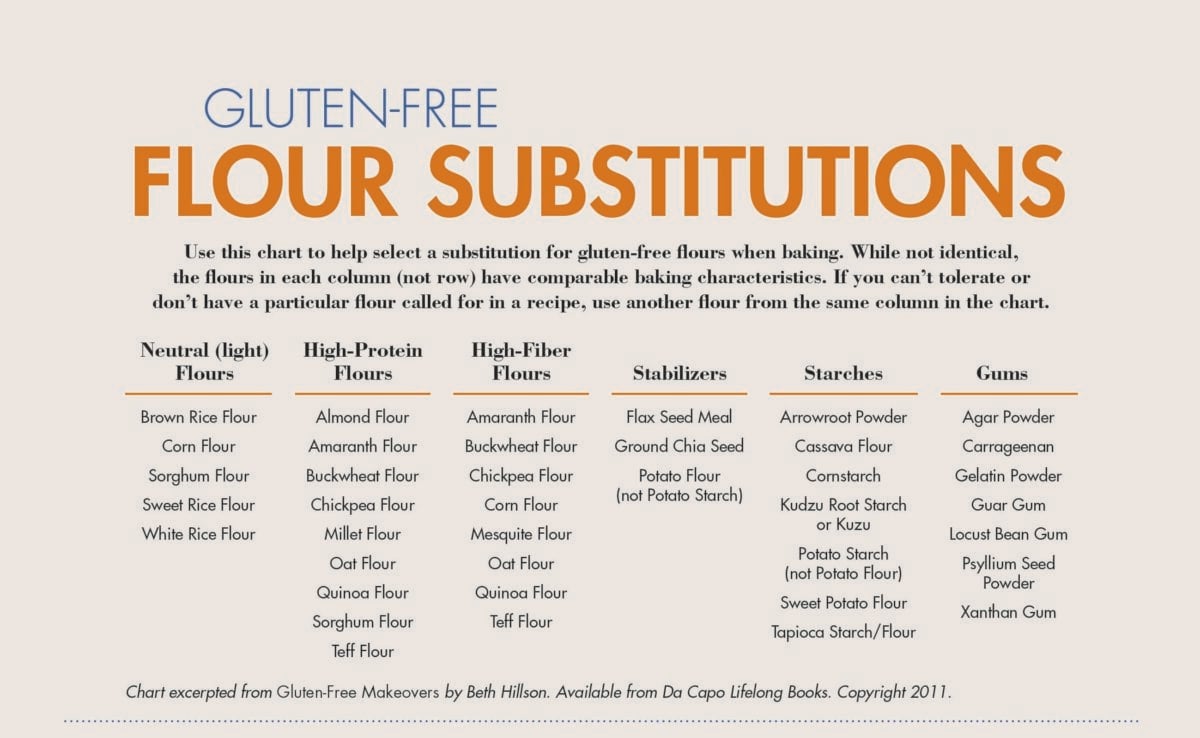
Gluten-Free Flour Substitution Chart
Single gluten-free flours rarely replace wheat flour 1:1. Blends or added binders usually work best. Use this practical chart as a starting point for baking and cooking. Always test in your specific recipe, as results can vary by brand and humidity.
| Purpose | Best Gluten-Free Options | Notes & Tips |
|---|---|---|
| All-Purpose Baking (cakes, cookies, muffins, pancakes) |
1-to-1 gluten-free blends such as Carol’s Gluten Free All Purpose Flour, Bob’s Red Mill 1-to-1, King Arthur Measure for Measure, or homemade rice/tapioca/potato starch blend | Usually a direct 1:1 swap by weight or volume. Carol’s Gluten Free All Purpose Flour is a popular dairy-free, cup-for-cup blend that works well for a wide range of baked goods. Add ¼–½ tsp xanthan gum per cup if the blend doesn’t already include it. |
| Yeast Breads & Dough | Sorghum + tapioca starch + potato starch blends with psyllium husk or extra xanthan gum, or Carol’s Gluten Free All Purpose Flour | Higher-protein blends mimic wheat structure. Expect longer rising times and extra hydration. Psyllium often works better than xanthan for bread texture. Many bakers also use Carol’s blend successfully for yeast breads and pizza dough. |
| Cookies, Muffins & Quick Breads | Almond flour, coconut flour (use less), certified oat flour, sorghum flour | Coconut flour is very absorbent — use about ¼ the amount and add extra eggs or liquid. Almond flour gives moist, tender results. |
| Thickening Sauces, Gravies & Soups | Arrowroot powder, tapioca starch, potato starch, cornstarch | Arrowroot creates clear sauces. Potato starch works well for creamy textures. Add at the end of cooking and avoid boiling too long. |
| Binding & Structure | Xanthan gum, guar gum, psyllium husk powder | Start with ¼–½ tsp xanthan gum per cup of flour. Psyllium husk (about 1–2 tsp per cup) gives excellent bread-like texture but needs extra liquid. |
| Nut-Free Alternatives | Sunflower seed flour, pumpkin seed flour, or additional sorghum/rice blends | Good options for those with nut allergies. Use in moderation as seed flours can taste bitter in large amounts. |
Quick Baking Tips:
- Gluten-free baking usually needs extra moisture and eggs for structure.
- Weigh ingredients when possible (120 grams per cup is a common gluten-free flour weight).
- Results vary by brand — experiment and adjust liquid or binders as needed.
- Carol’s Gluten Free All Purpose Flour is a versatile 1-to-1 replacement that performs especially well for everyday baking.
Troubleshooting Common Gluten-Free Baking Problems
Dense or Gummy Texture → Add more xanthan gum or bake longer. Next, let cool completely before slicing.
Crumbly or Dry Results → Add extra egg or fat; use a higher-protein blend.
Cookies Spread Too Much → Chill dough longer; use higher-protein flour.
Cakes Sink in the Middle → Don’t open oven early; reduce leavening slightly.
Bread Doesn’t Rise Well → Proof yeast properly; use warm environment.
Pro Techniques for Success
- Always weigh ingredients with a digital scale.
- Don’t overmix once flour is added.
- Let batters rest 10–30 minutes.
- Use an oven thermometer.
Storage for Gluten-Free Baked Goods
Ultimately, gluten-free baked goods tend to dry out faster than wheat versions because they lack gluten’s natural moisture-locking ability. Proper storage keeps them fresh and delicious longer.
Room Temperature
- Cookies, muffins, and quick breads: 3–5 days in an airtight container.
- Cakes (frosted): 2–3 days under a cake dome or loosely covered.
- Bread: 2–3 days in a bread box or paper bag (plastic can make it gummy).
Refrigerator
Only refrigerate if the recipe has cream cheese, custard, or fresh fruit fillings. Otherwise, the fridge can make baked goods stale faster.
Freezer (Best Long-Term Option)
- Most gluten-free baked goods freeze beautifully for up to 3 months.
- Wrap individual pieces or whole loaves tightly in plastic wrap, then place in a freezer bag.
- Thaw at room temperature or warm gently in a 300°F oven for 8–10 minutes to refresh texture.
- Frosted cakes: Freeze uncovered for 2 hours to harden the frosting, then wrap tightly.
Pro Tip: Label everything with the date and type of bake. This simple habit saves you from mystery baked goods later!
Frostings & Icings
A good frosting can take any gluten-free bake from good to spectacular. Gluten-free frostings are very similar to traditional ones — just double-check that your powdered sugar and flavorings are gluten-free.
Best Frostings for Beginners
- American Buttercream — Quick, creamy, and pipeable. Made with butter, powdered sugar, milk, and vanilla.
- Cream Cheese Frosting — Tangy and rich — perfect for carrot cake, cinnamon rolls, and red velvet.
- Chocolate Ganache — Simple (just chocolate + cream) and gives a beautiful glossy finish.
- Whipped Cream Frosting — Light and fresh for fruit-based cakes. See the section below on how to stabilize whipped cream to prevent it from weeping or melting.
Tips for Success
- Always sift powdered sugar to avoid lumps.
- For vegan or dairy-free versions, use plant-based butter and cream.
- Add xanthan gum (⅛ tsp per cup of frosting) if your frosting is too soft for piping.
- Store frosted cakes in the fridge for up to 3 days or freeze as noted in the storage section above.
5 Ways to Stabilize Whipped Cream for Gluten-Free Cakes
Whipped cream makes a beautiful, light frosting for gluten-free cakes, but it can deflate or weep after a few hours. Stabilizing it helps the frosting hold its shape, stay fluffy longer, and makes it much more reliable for layer cakes, cupcakes, or any dessert that needs to sit out for a while.
Here are 5 effective ways to stabilize whipped cream:
- Gelatin (Most Popular Method) Soften 1 teaspoon unflavored gelatin in 1 tablespoon cold water for 5 minutes, then gently warm it until fully dissolved (do not boil). Let it cool slightly, then drizzle it into the whipped cream while beating on medium speed at the soft-peak stage. Best for: Layer cakes and desserts that need to hold up for several hours.
- Powdered Sugar Use 2-3 tablespoons of powdered sugar per cup of heavy cream instead of granulated sugar. The cornstarch naturally present in powdered sugar helps stabilize the cream. Best for: Quick, everyday cakes where you want a simple solution.
- Cream Cheese Beat 4 oz of softened cream cheese until smooth, then gradually add the heavy cream and sugar while beating. The cream cheese adds tang and excellent stability. Best for: Carrot cake, red velvet, or any cake where you want a slightly richer flavor.
- Instant Pudding Mix (or Clear Jel) Add 1-2 tablespoons of instant vanilla pudding mix (make sure it’s gluten-free) or Clear Jel per cup of cream while whipping. This gives very firm, pipeable results. Best for: Cupcakes, piped decorations, or hot weather.
- Agar-Agar (Vegan Option) Dissolve ½ teaspoon agar-agar powder in 2 tablespoons hot water, cool slightly, then drizzle into the whipping cream. It creates a stable, plant-based whipped topping. Best for: Dairy-free or vegan desserts.
Tips for Success with Stabilized Whipped Cream
- Always start with very cold heavy cream (chill your bowl and beaters for 10–15 minutes for best results).
- Whip on medium speed until soft peaks form before adding any stabilizer, adding it too early can prevent proper whipping.
- Don’t overbeat; stop at stiff peaks. Over-whipping turns cream into butter.
- Stabilized whipped cream usually holds well for 24–48 hours in the refrigerator.
- For best texture on cakes, apply the frosting to a completely cooled cake.
Quick Breads, Yeast Breads & Everything In Between + Cookies, Cakes, Pies & More
Below are round-ups of some of our favorite recipes to get you started.
cookies!
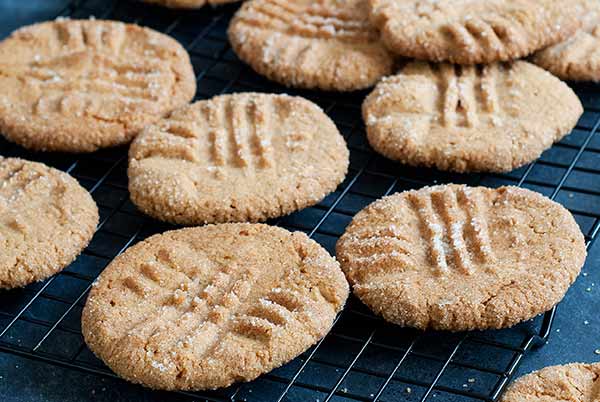
Gluten Free Peanut Butter Cookies Recipe
The perfect cookie recipe for gluten-free beginners. so easy and delicious!
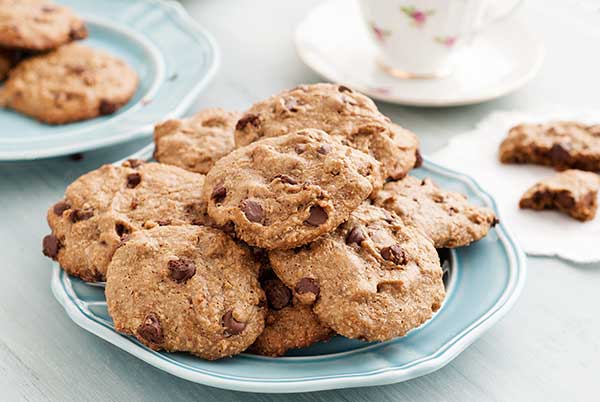
Gluten Free Five Ingredient Chocolate Chip Cookies
Have you ever had a chocolate chip cookie emergency? Like you need one now?
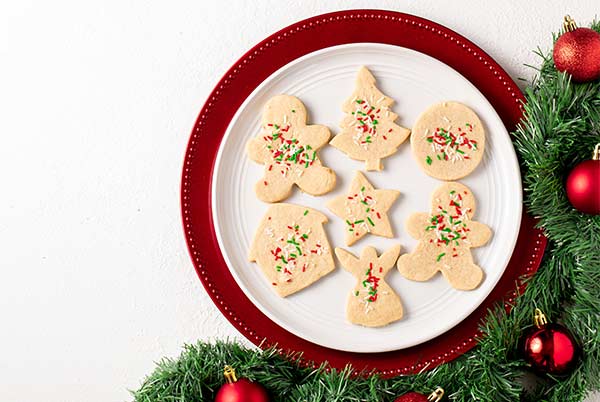
3-Ingredient Shortbread Cookies
These gluten-free 3-Ingredient Shortbread Cookies are sweet, buttery, and just the right amount of crumbly.
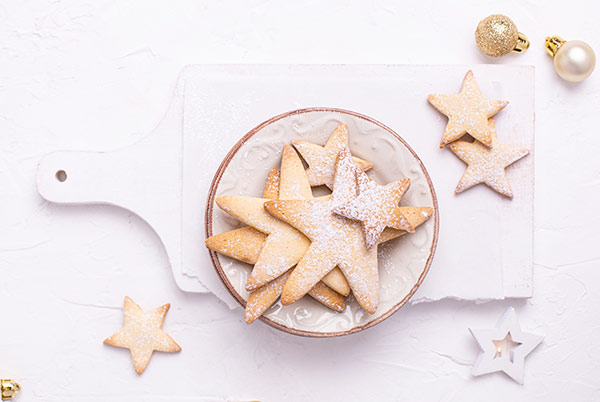
Gluten-Free Vanilla Cookies
These gluten-free Vanilla Cookies are a versatile, holiday-worthy cookie recipe.

Butter Cookies with Berry Jam
These pretty, little cookies are perfect for any festive soiree. Wrap up and gift them.
muffins& cupcakes!
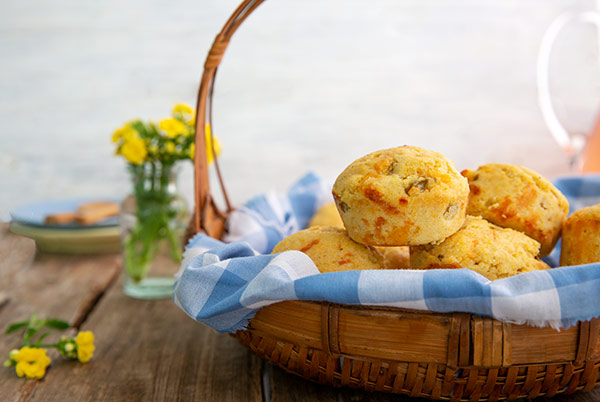
Gluten-Free Chile Cheese Corn Muffins
Want to spice up that box of gluten-free cornbread mix that’s been sitting in your pantry? pair

Gluten-Free Blueberry Streusel MuffinS
There’s nothing quite like a warm blueberry muffin fresh out of the oven
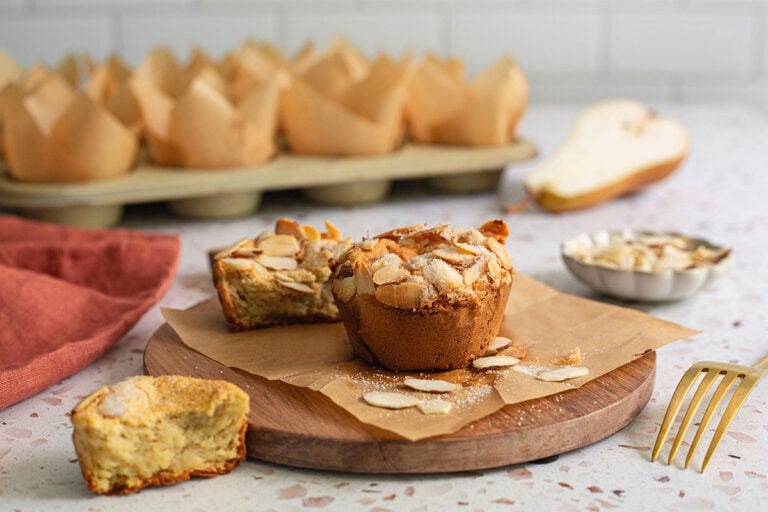
Gluten-Free Whole Grain Pear Muffins with Flax Meal
Who wants to get up in the morning and have to work hard for a nice healthy muffin?
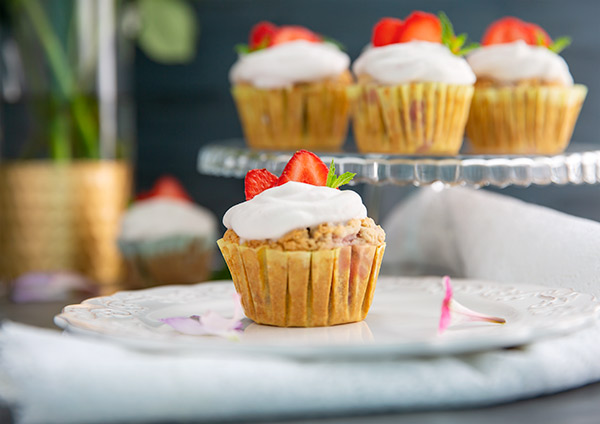
Gluten-Free Strawberries & Cream Cupcakes
Light and moist strawberry flecked cupcakes topped with billowy clouds of strawberry streaked cream
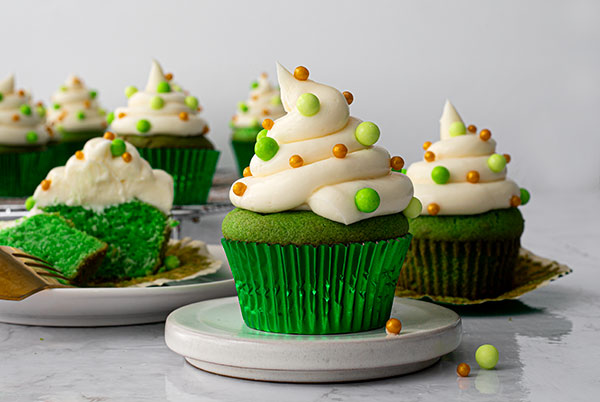
Gluten Free Green Velvet Cupcakes
Looking for a dessert for your St Patrick’s Day party? Then look no further
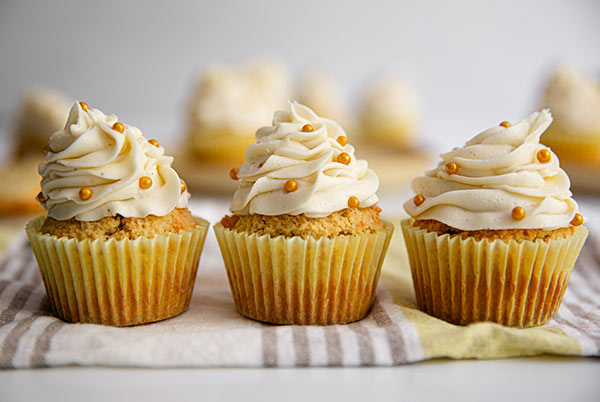
Grain Free Vanilla Cupcakes
Not just gluten-free, grain-free! Made with almond flour.
Pies!
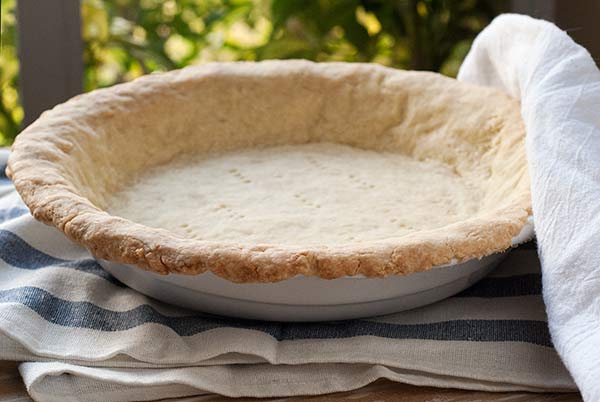
Gluten Free Perfect Pie Crust Recipe
Be crustless no more! Recipe and tips for making the perfect gluten free pie crust.

Gluten-Free Old Fashioned Apple Pie
A classic for a reason.
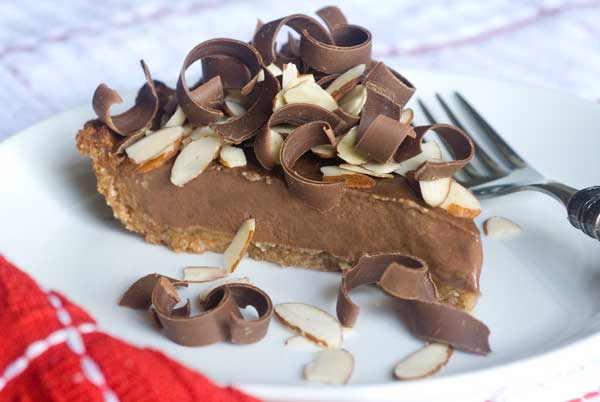
Gluten Free Guilt Free Chocolate Banana Pie Recipe
A recipe that will help you keep those resolutions for cleaner eating in style!
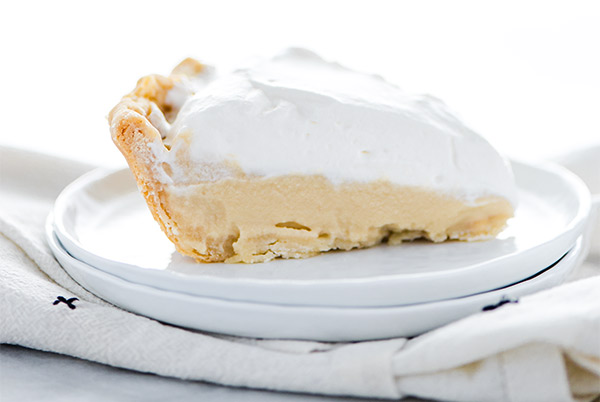
Maple Cream Pie
Maple Cream Pie is a delicious New England twist on cream pies and perfect for holiday meals or anytime
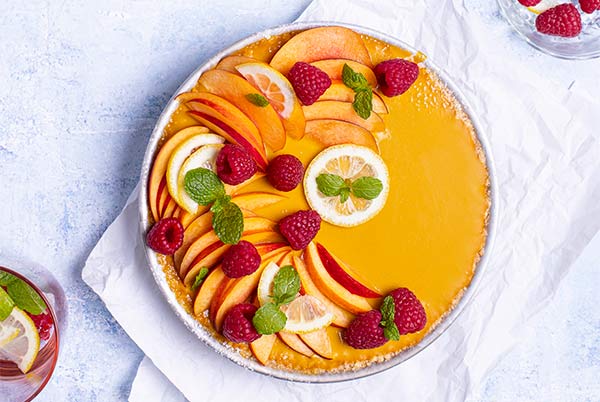
Gluten-Free Peach & Mango No-Bake Pie
This Gluten-Free Peach & Mango No-Bake Pie is as delicious as it looks! It’s the perfect pie for summer
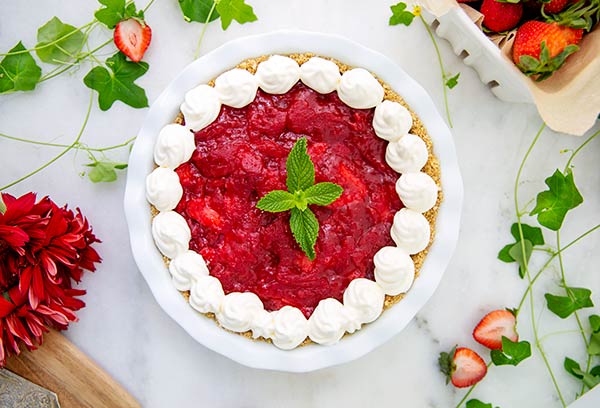
No-Bake Strawberry Pie
No baking required.
cakes!
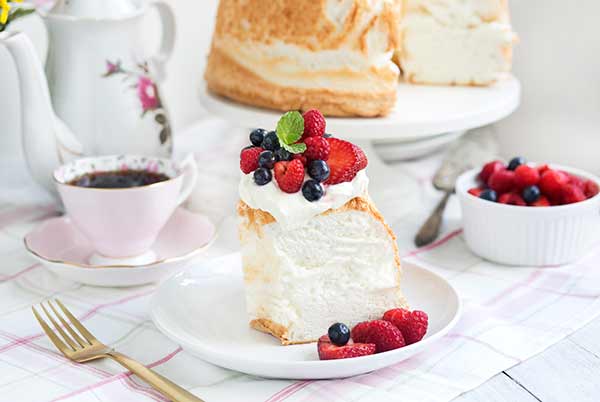
Gluten Free Angel Food Cake Recipe
Light, airy, delicious, & gluten-free – of course.
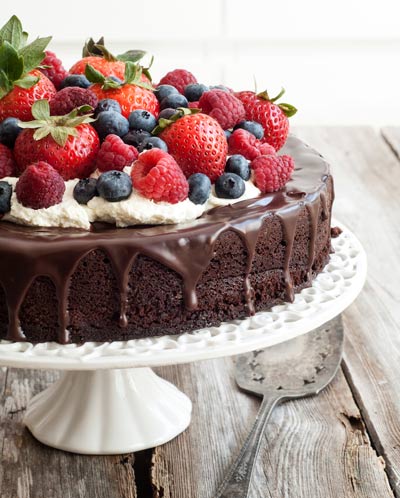
Flourless Chocolate Berry Cake
Looking for a dessert that feels truly special? This Cake is rich, fudgy, and elegant.
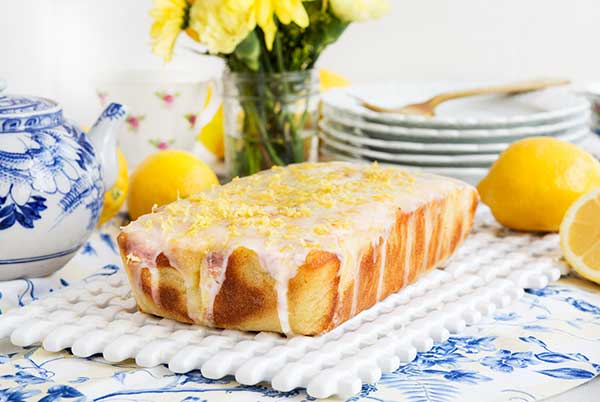
Gluten Free Lemon Pound Cake Recipe
Lemon cake soaked with lemon syrup topped with lemon glaze – this is a lemon lover’s dream cake!
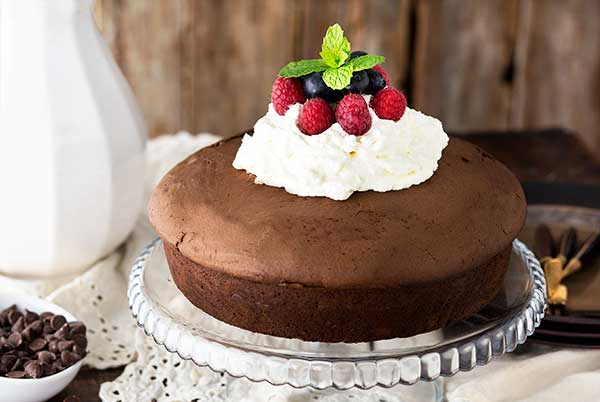
Gluten Free Simply Good Chocolate Cake
There are times when simple is enough; in fact it is more than enough, it is perfect.
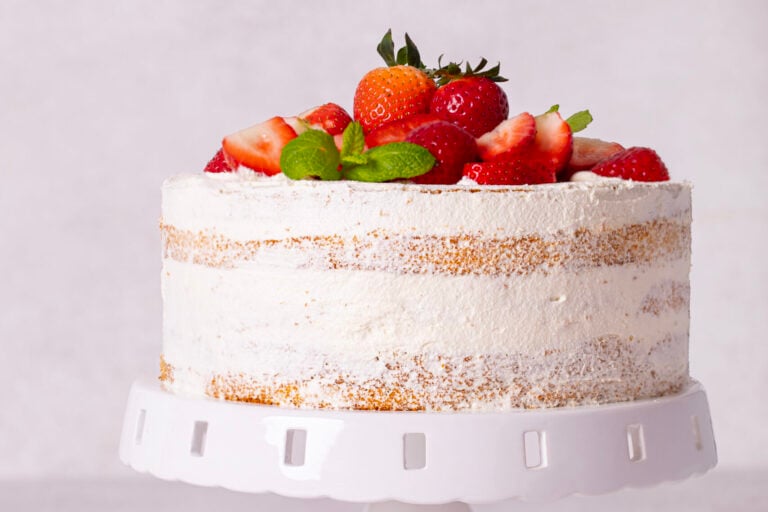
Strawberry Layered Cake
Celebrating strawberry season with this delicious strawberry layered cake!
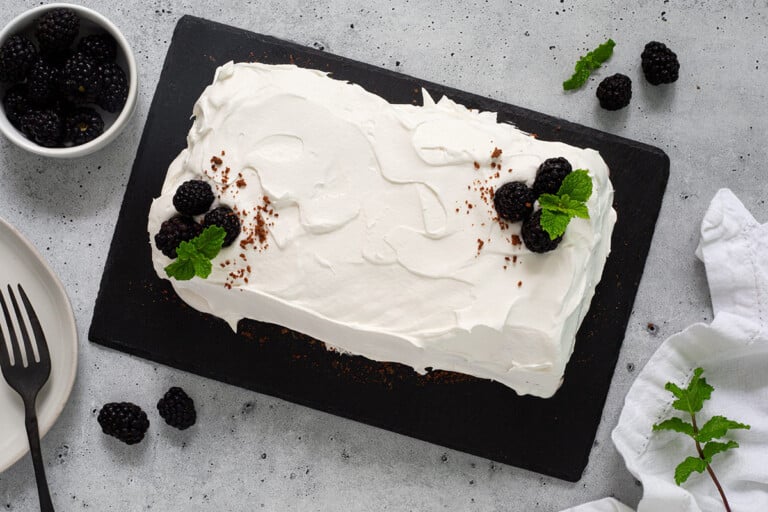
Dairy-Free Blackberry Ice Cream Icebox Cake
quick breads!
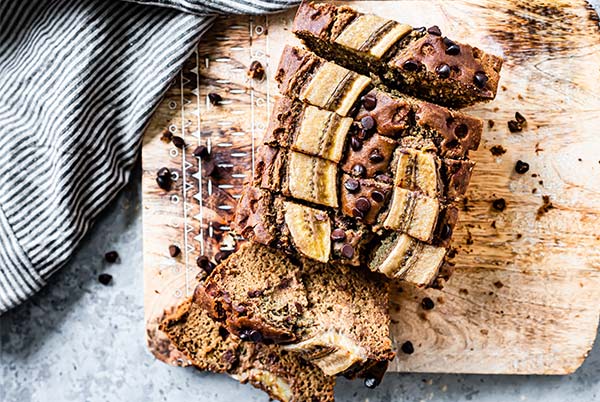
Chocolate Chip Banana Bread
This Chocolate Chip Banana Bread takes classic banana bread and turns it on its head

Gluten-Free Buttermilk Biscuits
Flaky Buttermilk Biscuits ensure that you are well-rounded in the bread department this season! The perfect side for your festive table or…
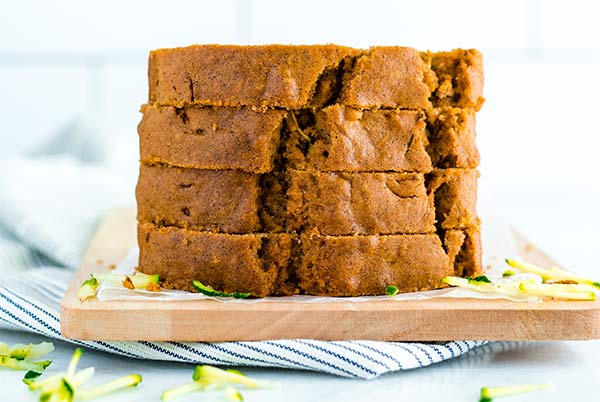
Gluten-Free Zucchini Quick Bread
There’s nothing like a good ol’ fashioned loaf of zucchini bread. A classic made gluten-free.
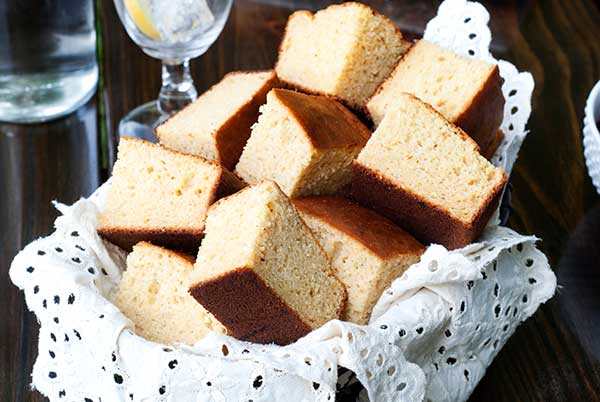
Gluten Free Classic Cornbread Recipe
Classic for a reason!
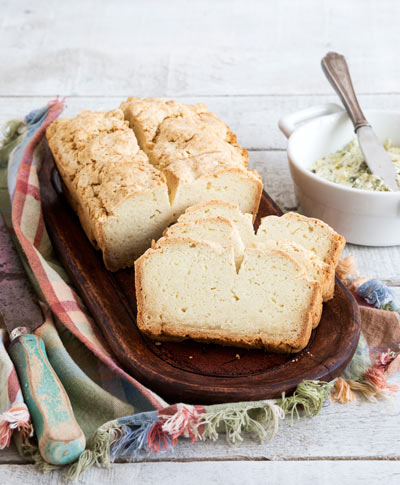
Irish Soda Bread
Gluten-free, Classic, Simple, and Comfortingly Delicious. Your Irish ancestors will be proud.
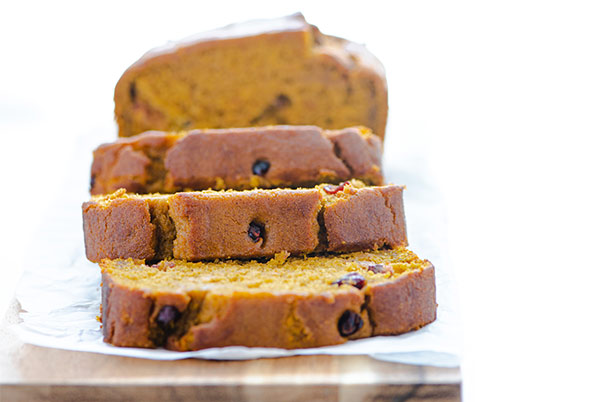
Pumpkin Cranberry Bread
The flavors of fall and winter come together in this delicious Pumpkin Cranberry Bread.
bread!
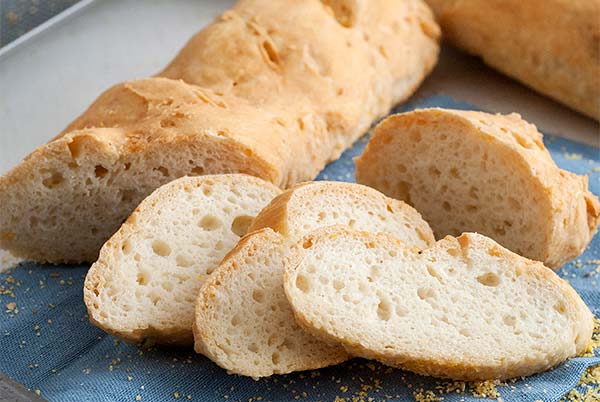
Gluten Free Easy, Easy, Easy! French Bread Recipe
Yes, you can have beautiful, delicious, authentic gluten-free French Bread and the best part – it is so easy!
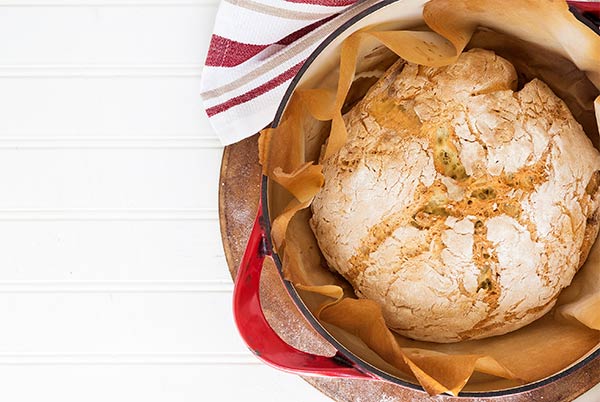
Gluten Free Dutch Oven Bread Recipe
A Dutch oven is the perfect vessel for baking bread that has a crispy, golden crust and tender crumb.
4-Ingredient Sourdough Bread
This 4-Ingredient Sourdough Bread recipe is a delicious way to start learning how to make sourdough baked goods.
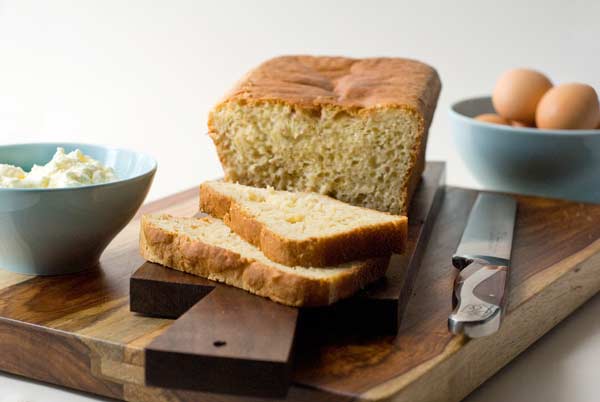
Gluten Free Soft Bread Recipe
dead simple to make, great for sandwiches and toast. Gum-free.
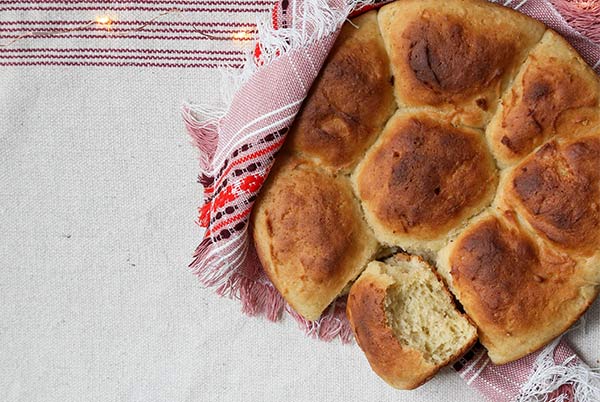
Gluten-Free Pull-Apart Potato Rolls
These soft, yeasty rolls are perfect for sandwiches . Holiday leftover sandwiches, anyone?
Frequently Asked Questions
Usually too much liquid, not enough rising time, or the wrong flour blend. Try weighing ingredients and adding an extra ½ tsp xanthan gum per cup of flour.
No — gluten-free recipes are specially formulated. Use a recipe written for gluten-free flour or follow our blend guidelines.
Most recipes yes, but some quick breads and cookies work without it if the recipe is designed that way.
Chill the dough for at least 30–60 minutes, use a higher-protein flour blend, and don’t over-cream the butter and sugar.
It can be at first, but making your own blends and focusing on simple recipes keeps costs down.
Yes! Most freeze beautifully for up to 3 months. Wrap tightly and thaw at room temperature or warm gently in the oven to refresh.
A good all-purpose blend (store-bought or homemade) is the easiest place to start.
Separate eggs and whip the whites, or add an extra egg for structure and moisture.
So get baking!
You now have everything you need to become a confident gluten-free baker. Start simple, weigh your ingredients, store your bakes properly, and don’t be afraid to experiment. At Gluten Free & More, we’re here with thousands of tested recipes and ongoing support.
more helpful resources
Specifically, if you are new to a gluten-free diet, our Ultimate Guide to the Gluten-Free Diet is incredibly helpful.
More information about gluten-free ingredients can be found on our Ultimate Gluten-Free Ingredient Guide.
And for more recipes, check out our Recipe Index.
Find the perfect recipe
Search by ingredient, meal type, or keyword to find your next favorite dish.
Never miss an issue!
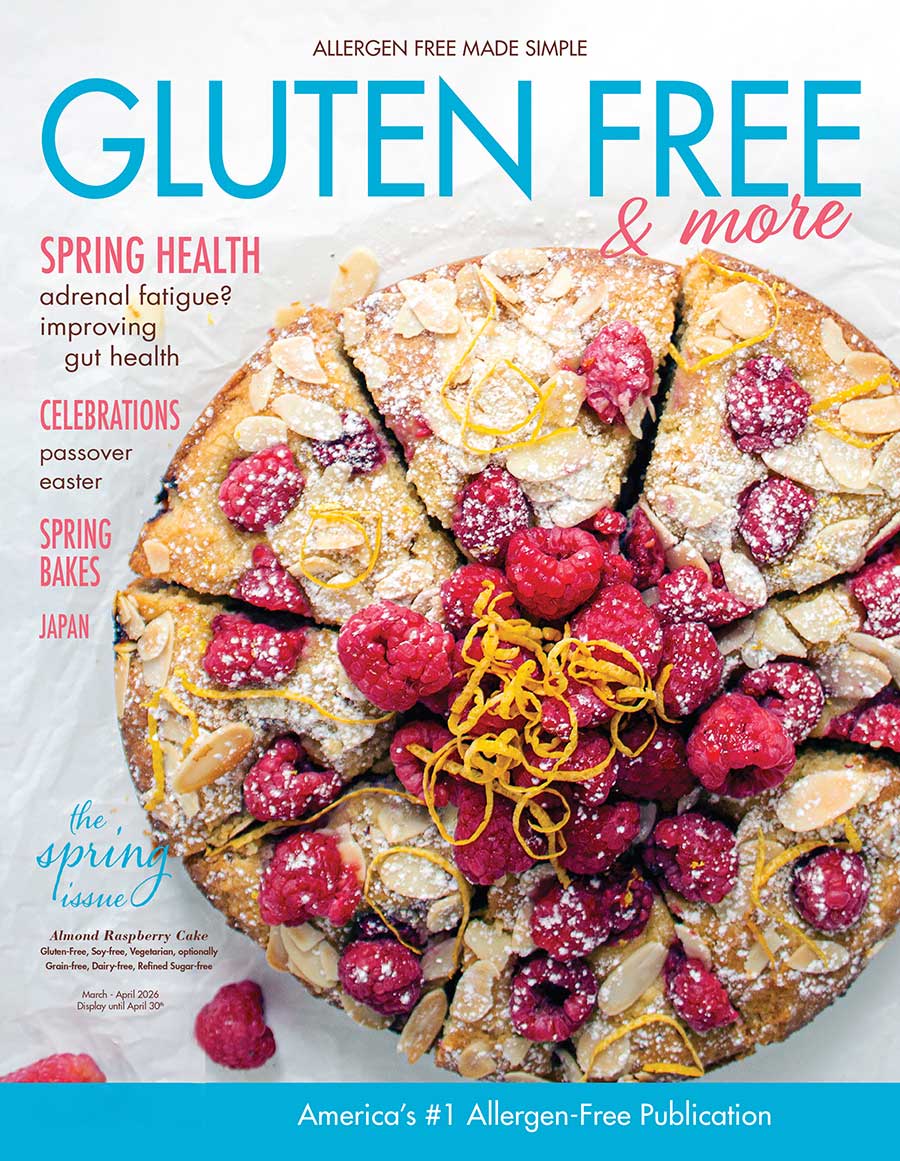
Gluten Free & More Magazine is America’s number one gluten and allergen-free magazine. Subscribe now and save up to 62%. For more exclusive Gluten Free & More recipes, don’t forget to check our digital issues!