

This post contains affiliate links. Please see our disclosure policy.
Plus: A Caputo Gluten-Free Bread Recipe You’ll Want to Bake on Repeat.
When people hear the words “wheat starch” in an ingredient list, they often pause. After all, wheat is the very thing that those with celiac disease and gluten intolerance need to avoid. But here’s the surprising fact: gluten-free wheat starch does exist, and it plays an important role in gluten-free baking. One of the best examples comes from Caputo, a trusted Italian flour miller with over a century of expertise. Their Caputo Gluten-Free Flour, made with deglutinated wheat starch, has quickly become a favorite among both home bakers and professional chefs.
Table of Contents
So, how can something that comes from wheat be gluten-free?
What Is Gluten-Free Wheat Starch?
Wheat starch is the part of the wheat grain that primarily contains carbohydrates. Naturally, it carries trace amounts of gluten proteins. However, when wheat starch is processed carefully, through multiple washing and separation stages, the gluten can be almost completely removed. The result is gluten-free wheat starch, a product that retains the functionality of wheat starch while meeting strict international safety standards for gluten-free foods.
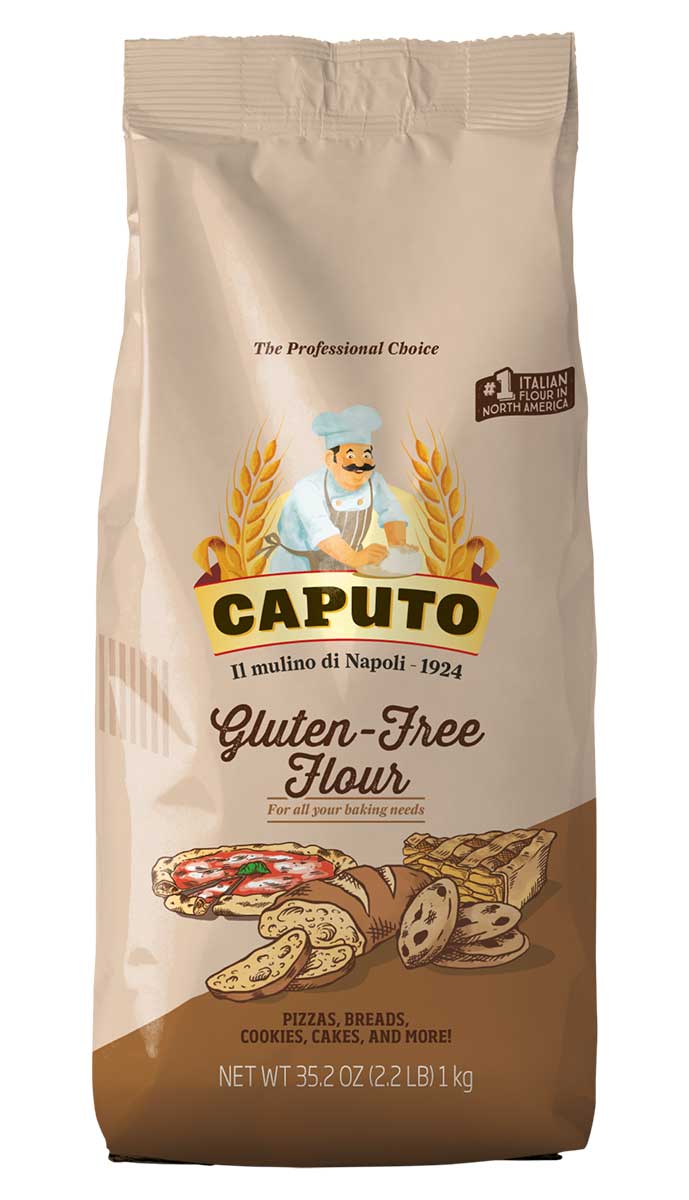
Caputo uses a meticulous process that involves water-based washing, low-temperature drying, and repeated separations until residual gluten is nearly undetectable. The end product consistently tests well below the FDA and international threshold of 20 parts per million (ppm) for gluten, often far lower.
Why Is It Considered Gluten-Free?
The U.S. Food and Drug Administration (FDA) allows foods made with gluten-free wheat starch to be labeled as gluten-free as long as they meet the 20 ppm threshold and include the correct labeling. Packages must state that the wheat has been processed to meet FDA gluten-free requirements.
Caputo goes above and beyond by:
- Testing every batch with the ELISA method in certified labs.
- Following a preventive control plan, verified by third-party auditors.
- Maintaining a dedicated gluten-free facility with certifications like FSSC 22000 (a food safety management system certification program recognized by the Global Food Safety Initiative) and annual health approvals.
This layered approach ensures that Caputo Gluten-Free Flour is safe for people with celiac disease or gluten sensitivity.
Why Use Gluten-Free Wheat Starch?
Gluten-free wheat starch isn’t just safe, it’s functional. One of the biggest challenges in gluten-free baking is replicating the elasticity, softness, and hydration of wheat-based doughs. This is where gluten-free wheat starch shines.
Key benefits include:
- Better texture and softness: It helps doughs feel more like traditional wheat doughs—stretchy, tender, and easier to handle.
- Improved hydration: This results in moist, airy baked goods with a better rise.
- Clean flavor: Unlike some gluten-free flours that can taste heavy or leave an aftertaste, gluten-free wheat starch provides a neutral base that lets other flavors stand out.
- Versatility: From pizza and focaccia to cookies, cakes, and pasta, it adapts beautifully to a wide range of recipes.
Why Caputo Stands Out
Caputo has been milling flour in Naples, Italy, since 1924 and is known worldwide for its dedication to quality. With their gluten-free line, they’ve applied the same artisan care and scientific precision as their classic flours. The result is a flour blend that doesn’t just work, it excels.
Chefs and home cooks alike often note that Caputo Gluten-Free Flour produces results nearly indistinguishable from traditional wheat flour. For anyone who has struggled with dense, crumbly gluten-free baked goods, we understand how game-changing this can be.
The Bigger Picture: Why Trust Matters
Recent news of food safety staffing cuts has left many consumers concerned about oversight in the food industry. That makes third-party certifications, independent lab testing, and company transparency more important than ever. Caputo’s commitment to rigorous controls and ongoing testing means consumers can trust their flour—something that matters deeply when you’re managing celiac disease.
A Note of Caution: Wheat Allergy vs. Celiac Disease
While gluten-free wheat starch is safe for people with celiac disease and gluten sensitivity, it is not suitable for individuals with a wheat allergy. That’s because even though the gluten is removed, the starch is still derived from wheat and can trigger allergic reactions unrelated to gluten.
So, if you live with celiac disease, gluten-free wheat starch is a safe choice. But if you or someone in your household has a wheat allergy, it’s best to avoid it.
Gluten-free baking has come a long way, and products like Caputo Gluten-Free Flour are proof of how far innovation can go. By using carefully processed gluten-free wheat starch, Caputo delivers a flour that combines safety, functionality, and authentic taste. For those living gluten-free, it means enjoying bread, pizza, pasta, and pastries that taste just like the real thing—without the worry.
At the end of the day, gluten-free wheat starch is about more than just science. It’s about creating food that connects us to traditions and flavors we thought were lost when we had to give up gluten. Thanks to brands like Caputo, those traditions are back on the table—safe, delicious, and satisfying.
Visit Caputoflour.com to shop the gluten-free flour and discover delicious gluten-free recipes for your kitchen.

Bring It Home: Gluten-Free Bread Recipe
You don’t have to sacrifice carbs when living gluten-free—especially with Caputo’s Gluten-Free Flour. This rustic bread recipe shows off just how impressive the texture, rise, and flavor can be. Soft on the inside, with a golden crust on the outside, it’s the kind of loaf that will wow your family and friends.
Gluten-Free Bread with Caputo Flour
Ingredients:
- 35g Olitalia Extra Virgin Olive Oil
- 1000g (1 bag) Caputo Gluten Free Flour
- 20g Caputo Lievito Dry Yeast
- 850g water (50°F)
- 25g salt
Instructions:
- Place cold water (50°F) in the bowl of a mixer and dissolve the Caputo Lievito Dry Yeast.
- Add the Caputo Gluten Free Flour to the mixer.
- Mix on low until the flour is incorporated. Stop, scrape down the sides of the bowl with a spatula, then continue mixing.
- Slowly add in the salt.
- Add the Olitalia Extra Virgin Olive Oil and mix for another 4–5 minutes until the dough is smooth with no lumps.
- Divide the dough into two round balls.
- Place the dough balls in bamboo baskets (or any container) and let them rest for 5 hours at room temperature or 15 hours in the refrigerator.
- If refrigerated, remove the dough 30 minutes before baking.
- Bake at 460°F for 40–50 minutes until golden and baked through.
Fresh out of the oven, this bread captures everything we’ve been talking about—how gluten-free wheat starch allows Caputo to deliver taste and texture nearly identical to traditional wheat bread. It’s proof you don’t have to give up the foods you love to stay safe and satisfied.
More Gluten-Free Inspiration from Caputo
Ready to keep baking? These Caputo gluten-free recipes are just as irresistible—and each one proves that gluten-free can be indulgent, flavorful, and fun.
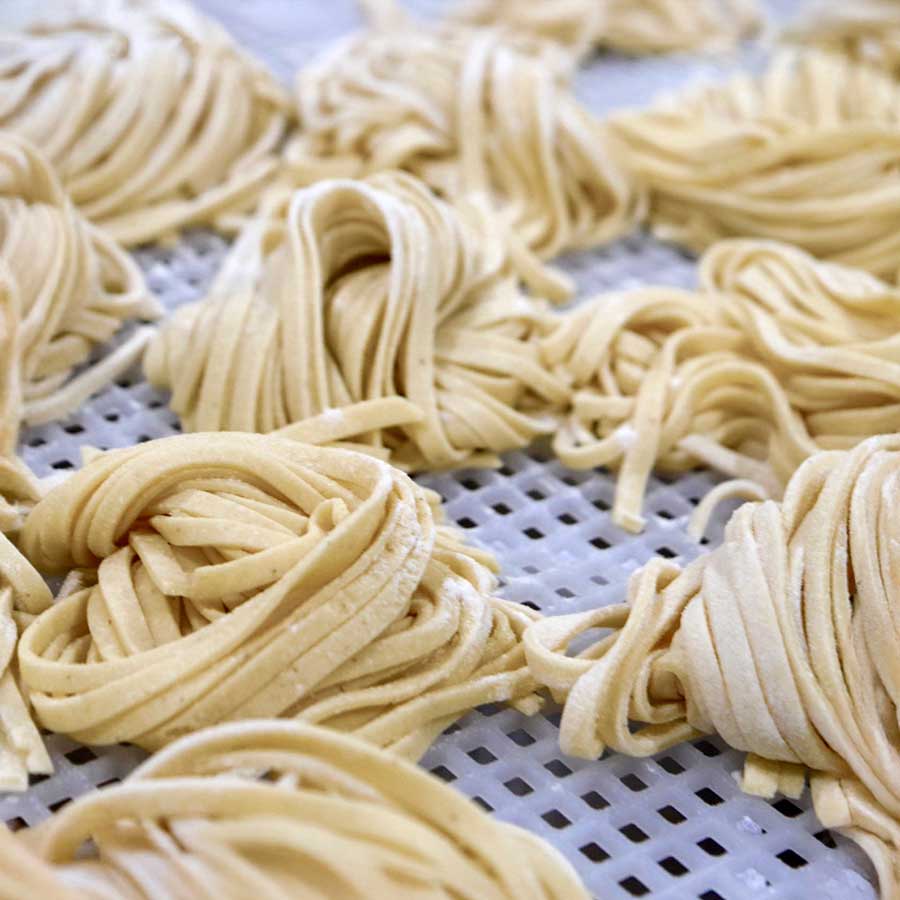
Gluten-Free Laminated Pasta Recipe
Delicate, buttery layers of homemade pasta sheets perfect for lasagna or ravioli.
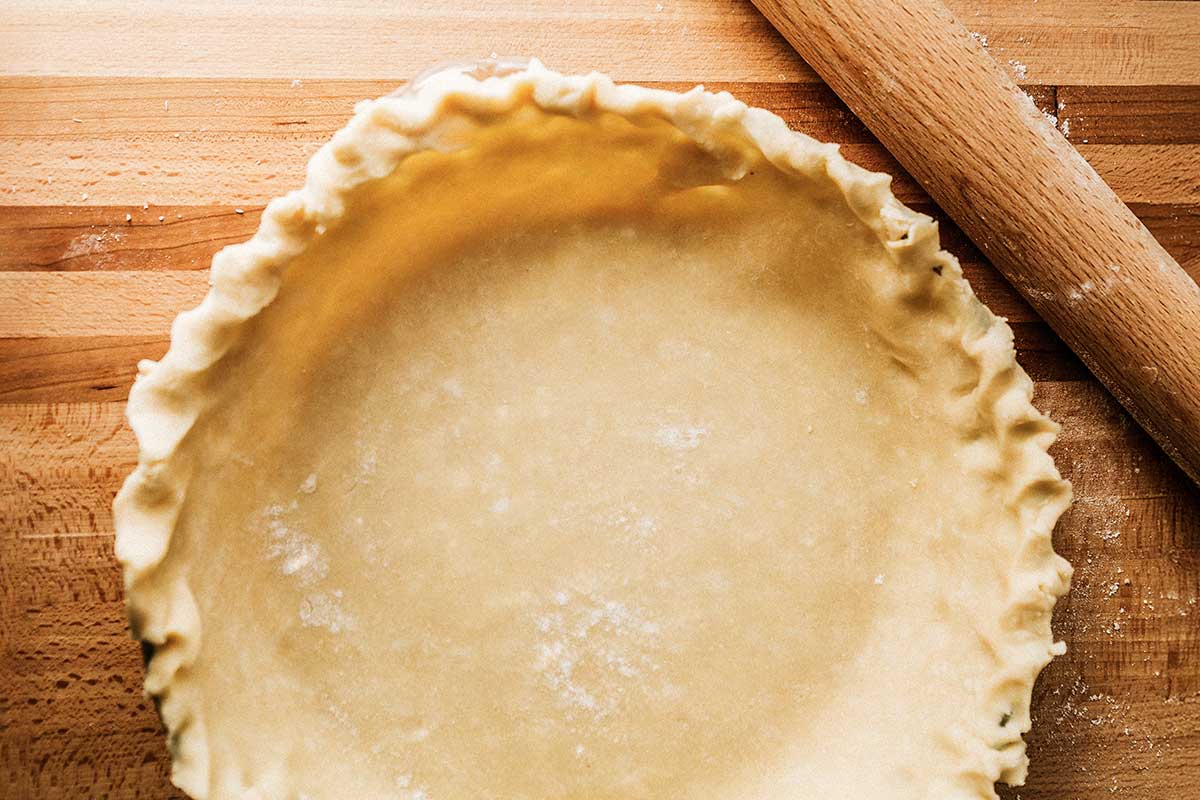
Flaky, golden, and versatile—ideal for sweet pies or savory quiches.
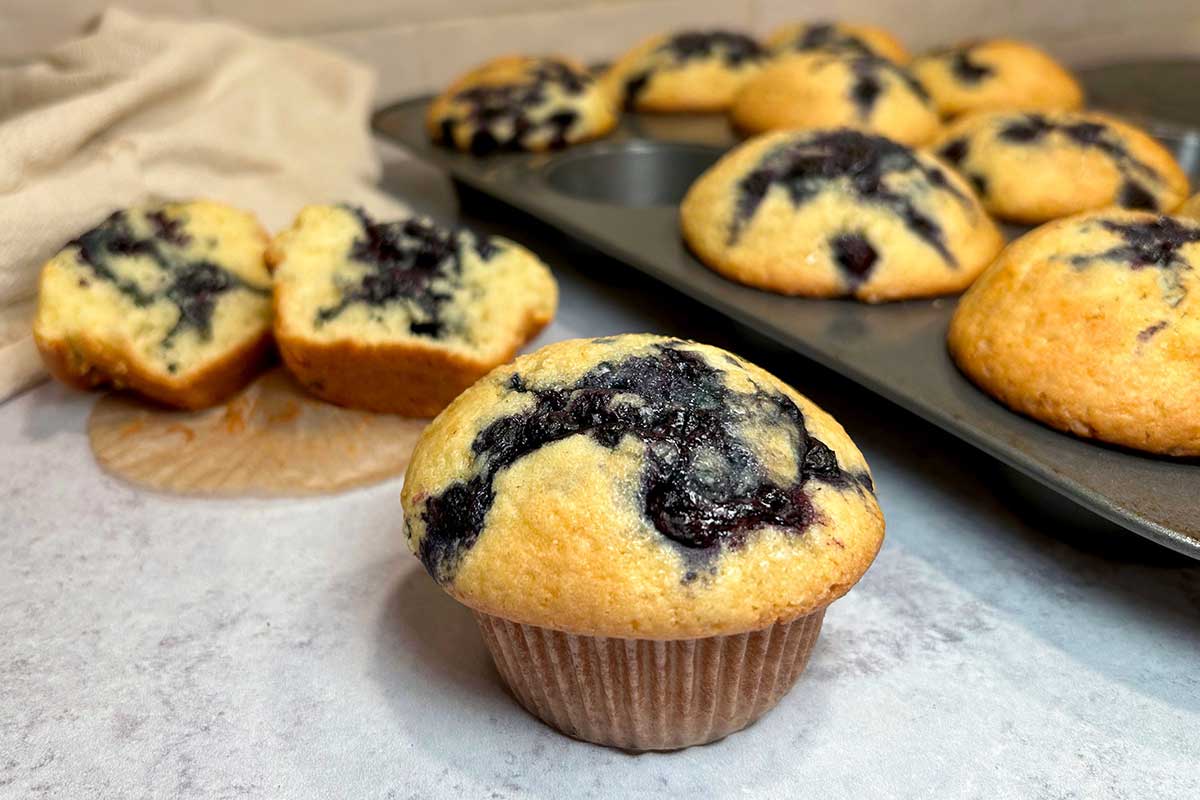
Moist, fluffy, and bursting with juicy blueberries—your new go-to breakfast treat.
Because with Caputo, gluten-free isn’t about compromise—it’s about creating food that feels like home.





Thank you for your help with the way I am able to eat. You keep getting better all the time. I have been gluten intolerant for over fifty years. There was no help when I started and now it incredible what I can get and make. Thank you.
Marie Furlong
It is our pleasure!