

Gluten Free Dairy Free Soft Dinner Rolls Recipe

Updated Mar 30, 2026, Published Nov 18, 2011
This post contains affiliate links. Please see our disclosure policy.
Soft, Fluffy, and Finally Worth the Effort
Let’s be honest, finding truly soft gluten-free dinner rolls can feel like chasing a unicorn. Too often, they’re dense, crumbly, or just not quite satisfying. That’s exactly why this recipe is such a game-changer.
These rolls are everything you’ve been missing: light, tender, slightly sweet, and perfectly fluffy—even without gluten or dairy. And yes, they actually taste like the classic dinner rolls you remember.
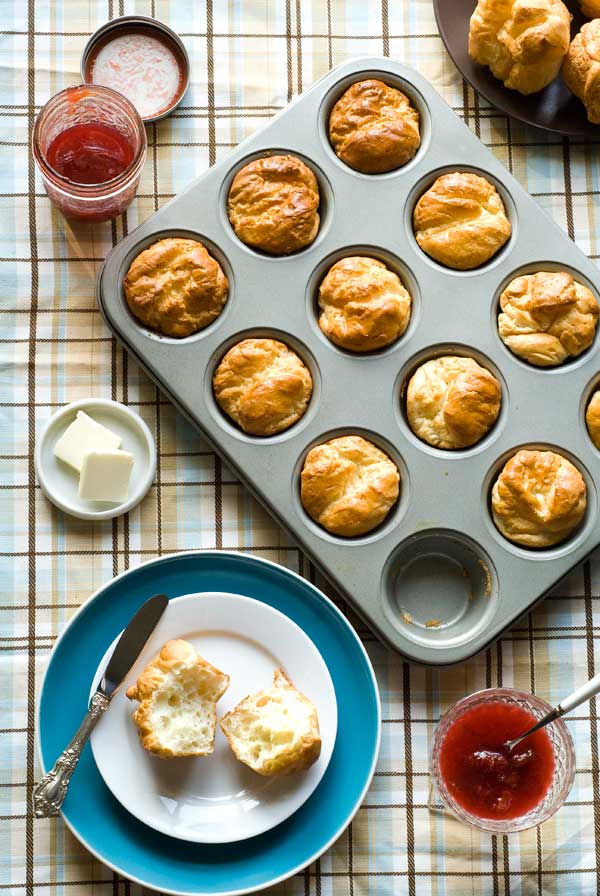
Table of Contents
- Soft, Fluffy, and Finally Worth the Effort
- Why These Gluten-Free Rolls Actually Work
- A Balanced, Tried-and-Tested Approach
- Why You’ll Love These Dinner Rolls
- What You’ll Need
- The Secret to Soft Gluten-Free Bread
- Tips for Perfect Gluten-Free Dinner Rolls
- Make-Ahead Friendly (A Holiday Lifesaver)
- When to Serve These Rolls
- The Last Bite
- Gluten Free Dairy Free Soft Dinner Rolls Recipe
Why These Gluten-Free Rolls Actually Work
The Texture Everyone Misses
Traditional rolls rely on gluten to create structure and softness. Without it, things can fall apart, literally. That’s why gluten-free baking requires a thoughtful combination of flours, starches, and binders to recreate that same soft, cohesive texture.
This recipe does exactly that, resulting in rolls that are:
- Soft and pillowy inside
- Lightly golden on the outside
- Sturdy enough to hold together beautifully
A Balanced, Tried-and-Tested Approach
Instead of relying on just one flour, this recipe uses a blend of rice flours and starches to mimic the structure gluten would normally provide. Combined with eggs for stability and yeast for lift, the result is a dough that behaves much more like traditional bread.
If you do not want to mix flours, you can substitute the flours and starches for THIS GLUTEN FREE FLOUR
Why You’ll Love These Dinner Rolls
Soft, Yeasty, and Comforting
These rolls bring back that classic “warm bread basket” experience, something many people miss when going gluten-free.
Dairy-Free Without Compromise
Even without butter or milk, these rolls are incredibly tender and flavorful. In fact, many testers found the dairy-free version actually let the natural sweetness shine through more clearly.
Perfect for Holidays or Everyday Meals
While they’re especially popular for holiday tables (hello, Thanksgiving!), they’re just as perfect alongside soups, salads, or weeknight dinners.
What You’ll Need
To make these soft gluten-free dinner rolls, you’ll need:
Active dry yeast
Sugar
Warm dairy-free milk (such as rice milk)
Gluten-free flours (white rice flour and sweet rice flour)
Potato starch and tapioca starch
Xanthan gum
Salt
Baking powder
Eggs
Dairy-free butter substitute
Honey
Apple cider vinegar
These ingredients work together to create the perfect balance of structure, softness, and flavor.
The Secret to Soft Gluten-Free Bread
Structure Without Gluten
Since gluten acts like a “glue” in traditional baking, gluten-free recipes rely on starches and gums to hold everything together.
Eggs for Stability and Lift
Eggs play a key role in giving these rolls structure and helping them rise properly, preventing that dense or gummy texture that can happen in gluten-free baking.
Yeast for That Classic Flavor
There’s nothing quite like the aroma of yeast baking in the oven. It gives these rolls that nostalgic, bakery-style flavor and airy texture.
Tips for Perfect Gluten-Free Dinner Rolls
Use Finely Milled Rice Flour
A smoother flour helps avoid the gritty texture sometimes associated with gluten-free baking.
Let the Yeast Fully Activate
If your yeast doesn’t foam during proofing, it won’t give you the rise you need, so don’t skip this step.
Bake in Muffin Tins for Best Shape
Gluten-free dough benefits from extra support while rising and baking, which helps create taller, more uniform rolls.
Make-Ahead Friendly (A Holiday Lifesaver)
One of the best things about this recipe? You can make the rolls ahead of time.
They can be:
- Baked in advance
- Stored in the refrigerator for a couple of days
- Reheated just before serving
And they still taste just as soft and delicious, maybe even better the next day.
When to Serve These Rolls
These soft gluten-free dinner rolls are perfect for:
- Holiday meals like Thanksgiving or Christmas
- Sunday dinners
- Pairing with soups and stews
- Making leftover sandwiches
They’re versatile, comforting, and always a welcome addition to the table.
The Last Bite
These Gluten-Free Dairy-Free Soft Dinner Rolls prove that you don’t have to settle when it comes to gluten-free baking. With the right combination of ingredients and a little know-how, you can recreate that soft, fluffy texture that makes dinner rolls so irresistible.
Whether you’re serving them for a holiday feast or a simple family dinner, these rolls bring back something many people miss, and they do it beautifully.

Gluten Free Dairy Free Soft Dinner Rolls Recipe
Ingredients
- 2 tablespoons dry active yeast
- 2 teaspoons sugar
- 2 cups rice milk or milk, (warm but not hot)
- 1½ cups superfine or Asian White Rice Flour*
- ½ cup superfine or Asian Sweet Rice Flour, (also called glutinous rice flour)*
- ¾ cup potato starch, (not potato flour)*
- ½ cup tapioca starch*
- 3 teaspoons xanthan gum
- 1 ½ teaspoons kosher or fine sea salt
- 1 tablespoon baking powder
- 3 large eggs, divided
- ¼ cup butter or non-dairy butter substitute (Earth Balance recommended), (plus more for brushing the pans)
- ¼ cup honey
- 1 teaspoon apple cider vinegar
Instructions
- Combine the yeast, sugar and warmed milk in a small bowl and whisk to dissolve the sugar. Let sit for 6-8 minutes or until the mixture is foamy and has increased in volume.
- Combine the flours, starches (or all-purpose gluten free flour blend), xanthan gum, salt and baking powder in the bowl of an electric mixer fitted with the whisk attachment. Mix for 30 seconds on medium-low to combine and break up any lumps in the potato starch.
- Add the yeast mixture, 2 eggs, melted butter substitute (or butter), honey and vinegar. Mix on medium low until combined. Scrape down the sides of the bowl, turn the mixer on high and mix for 3 minutes. You should have a very thick, smooth batter.
- Brush 2 standard muffin pans with melted butter (or butter substitute) or spray with gluten free, non-stick cooking spray. Preheat the oven to 375 degrees.
- Spoon the batter into the prepared muffin pans, filling about ¾ full. Alternately, you can use a small (#60) ice cream scoop and place 3 scoops in each muffin tin (like a clover leaf). Cover with a clean kitchen towel and place in a warm, draft free place to rise. Let rise for 35 minutes or until the dough has almost doubled in size.
- Beat the remaining egg with 1 teaspoon of water very well with a fork. Gently brush the tops of each roll with the beaten egg.
- Bake for 17-18 minutes or until golden brown. Let cool in the pans for 15 minutes.
- The rolls can be made ahead – bake them, let them cool in the pans, wrap with plastic wrap and refrigerate for up to 2 days. Warm for a few minutes in a 350 degree oven.
Notes
Nutrition
Nutrition information is automatically calculated, so should only be used as an approximation.




Is it possible to reduce the amount of sugar and honey?
Yes you can, the honey is just for flavor but the yeast needs a little sugar to get it going. You can try reducing it a bit but baking is like science – you need certain things in certain proportions to make it all come out ok.
I can’t get hold of glutinous rice flour, can I sub another sort in? Or change it up a bit?
The sweet rice flour just sort of blends the flours and evens out the texture but if you can’t find it, just sub half of it with white rice flour and the other half with tapioca starch. That should work just fine.
Carol, If I use your flour blend, do I still have to add the xanthan gum? Thanks so much! Your recipes are wonderful!
yes, because there is yeast in the recipe and it needs a little extra support to rise properly. You can cut back the xanthan gum by about 1/2 a teasppon. Enjoy!
Thank you for your quick reply! I’m new to gluten free and don’t know yet how these things work. We will be enjoying your rolls on Thursday. Happy Thanksgiving!
My pleasure, Happy Thanksgiving to you and your family!
Have you tried freezing them? I just made them and they are great! Making them for my niece for Thanksgiving but would like to make them today or tomorrow (Sunday-Monday.)
I personally have not but I have heard from others who have. They baked them, froze, thawed then re-heated in the oven before serving. Good luck and Happy Thanksgiving!
you are amazing. My little girl (3 yr old) has celiac and can’t have dairy, nuts, etc…so we are preparing to do Thanksgiving with a friend on Thursday, but I wanted my sweet girl to have rolls like the rest of this. Going to make a batch today (for dinner) to see how they turn out and most likely save what’s left for Thursday…or might have to make more on Wednesday. :) Thank you so much for sharing your recipe with all of us. People like you, make a stressed mommy’s life a little easier. I truly appreciate your recipe and I pinned this on pinterest…hope that was okay. :) I didn’t want to “lose” the recipe.
Aww, thank you! I hope you, your little girl and the rest of your family have a wonderful Thanksgiving!
Carol…just wanted to let you know they were a success in my house. Thanks.
Thanks Jocelyn! So happy you enjoyed!
I made your sweet rice flour blend from your Simply GF Desserts and want to know can I use this to make the soft dinner rolls? Also your blend has 4 teaspoons of xanthum gum and your recipe for the rolls requires e teaspoons of xanthan gum. Do I add more to the blend that already has it in it?
Yes, do add the xanthan gum since you are adding yeast to the recipe and the dough needs a little extra help to support the rising. Happy Thanksgiving!
Carol, thank you SO much for these! I have celiac, and two of my housemates are gluten intolerant. After a first time gluten-free Thanksgiving for 20 people (who didn’t even realize it was all GF), the leftovers of these rolls disappeared! I made them with regular milk and butter, but am making another batch today for the GF friend who is also dairy-free. While I love tinkering, I’m super grateful for your original “tinker-free” dairy-free version. Undoubtedly, we’ll have bags of these in the freezer to accompany soup on the upcoming winter days. Thanks again!
Thanks for letting me know Rebecca, I am so happy you enjoyed them :)
I have made these twice and love them. I did make a change, though. In place of the 1 1/2 cups rice flour I used 1/2 cup rice flour, 1/2 cup millet flour, and 1/2 cup sorghum flour. The flavor is wonderful and the texture just what I had hoped, but both times they have over-risen. I significantly reduced the rising time when I made them today, but they still flowed over the muffin cups some (and I had taken care to only fill them half full). I considered reducing the yeast or honey – or possibly the baking soda. Any ideas?
Hi Gayle. I am guessing that some property in the flours you used is what is causing that – I would try reducung the sugar in the yeast or adding more salt. Sugar helps yeast grown, salt retards it. You could also cut back on the honey. I also noticed that if my kitchen is too warm they overrise so this is something to consider.
Curious if you have ever frozen them? We have a family recipe for monkey bread where we use rhodes dinner rolls and let them rise overnight…..want to try to recreate this gluten free for my neice and nephew!
Yes, I bake them then freeze. Let thaw and then warm in a 350 oven for a few minutes or you can even warm in the microwave. I tried letting them rise overnight in the fridge but they over-rose so I don’t recommend that. Bake and then freeze seems to work better.
Hmmmm….Our recipe you are supposed to let them thaw overnight in the oven so they are supposed to rise quite a bit…….probably worth a shot!?!?
I love this recipe and love the smell of yeast baking rolls in my oven. I did, however, have a question: These did not seem to be a thick dough, more like a cake type batter. They also didn’t rise as much as I thought they should. They were delicious but just not as tall or have as big of holes inside as yours. What did I miss? Thank you for sharing!
Tell me more – what kind of flour did you use? Also are you sure your yeast was fresh?