

Gluten Free Nut Free Vegetable Panang Curry Recipe

Updated Dec 10, 2025, Published Mar 16, 2013
This post contains affiliate links. Please see our disclosure policy.
Flavor-Packed Gluten-Free & Nut-Free
If you’re looking for a rich, aromatic, and allergy-friendly dinner option, this Gluten-Free, Nut-Free Vegetable Panang Curry is a perfect choice. It delivers bold Thai-inspired flavor in a creamy coconut milk base, all while staying completely gluten-free, dairy-free, and nut-free. Whether you need a cozy weeknight meal or a plant-forward entrée that works for a variety of dietary needs, this colorful curry checks every box.
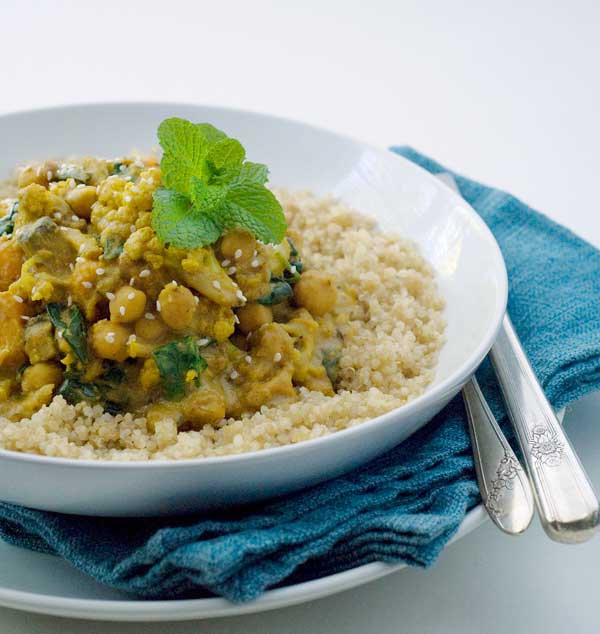
Table of Contents
Why This Vegetable Panang Curry Stands Out
This recipe elevates classic Panang flavors in a way that works for nearly any household. It’s naturally dairy-free thanks to coconut milk, and made entirely without nuts, which are commonly found in traditional Panang curry pastes. This recipe uses Sunbutter for that nutty taste with no nuts, With a balanced mix of spice, natural sweetness, and vibrant vegetables, it offers comfort food appeal without relying on heavy or processed ingredients. It also fits gluten-free, vegetarian, and vegan diets effortlessly.
Key Ingredients That Build Depth and Flavor
A few core ingredients give this allergy-friendly Panang curry its signature taste and creamy consistency:
Coconut Milk
Full-fat coconut milk provides the unmistakable silky base that makes Thai curries so satisfying, giving richness without dairy.
Gluten-Free Panang Curry Paste
Look for a nut-free, gluten-free curry paste to keep the dish completely allergen-safe. The paste adds warmth, aromatics, and the characteristic Panang flavor profile.
Fresh Vegetables
A mix of vegetables such as bell peppers, carrots, zucchini, broccoli, and mushrooms adds color, nutrition, and texture. Vegetable-based Panang curries are a staple in many modern Thai-inspired kitchens.
Tamari
Tamari creates savory depth and ensures the dish stays gluten-free while adding the umami that balances the spicy and sweet notes of the curry.
Sunbutter
A peanut butter substitute that is made with sunflower seeds.
Optional Plant-Based Protein
Tofu works beautifully for a more filling version and blends seamlessly with the coconut and curry flavors.
Special Diet and Allergy Notes
This Vegetable Panang Curry is designed to be inclusive and safe for common dietary restrictions.
- Gluten-Free: Use gluten-free curry paste and tamari to keep the dish fully compliant.
- Nut-Free: Traditional Panang curry often includes peanuts or peanut butter; this version avoids nuts entirely.
- Dairy-Free and Vegan: Coconut milk adds creaminess without dairy, and plant-based proteins keep it vegan-friendly.
- Customizable: You can swap in your favorite vegetables or use seasonal produce for variation.
Serving Ideas and Pairings
This curry pairs well with a variety of sides and grains, making it adaptable to different dietary preferences.
- Serve over jasmine rice for a classic take.
- Pair with cauliflower rice for a lower-carb option.
- Add a simple green salad or steamed greens for a complete meal.
- Store leftovers in the refrigerator; the flavors deepen and improve by the next day, making it ideal for meal prep.
Frequently Asked Questions
What vegetables work best in this curry?
Bell peppers, carrots, mushrooms, zucchini, broccoli, snow peas, or any combination you prefer. The curry sauce is flexible and complements most vegetables.
Can I add protein?
Yes. Tofu is an excellent plant-based choice. Non-vegans may use chicken or shrimp, though that shifts the dish away from its original vegetable focus.
Is this curry good for meal prep?
Absolutely. It reheats very well, and the flavors meld beautifully overnight.
What Makes This Version Unique
This Gluten-Free, Nut-Free Vegetable Panang Curry delivers all the creamy, comforting qualities of traditional Panang curry without the common allergens. It’s bold, balanced, and nourishing, making it an excellent option for families with mixed dietary needs or anyone seeking a flavorful, plant-forward dish. Whether you’re cooking for yourself or feeding a crowd, this curry brings warmth, color, and deliciously satisfying flavor to the table.
Gluten Free Nut Free Vegetable Panang Curry Recipe
Ingredients
- 2 tablespoons coconut oil
- ½ cup diced red onion, 1/2 of an average onion
- 1 tablespoon grated fresh ginger
- 4 garlic cloves, minced or grated
- 4 ounces portabella mushrooms, cleaned, stemmed and sliced
- 1/3 cup Sunbutter – creamy or crunchy
- 1 tablespoon gluten free Thai red curry paste
- 1 teaspoon ground turmeric
- 1 teaspoon ground cumin
- 2 teaspoons kosher or fine sea salt
- 1 teaspoon freshly ground black pepper
- 2 tablespoons coconut palm sugar or brown sugar
- 1 (13.5 ounce) can coconut milk, full fat or light
- 2 cups water
- 1 small head cauliflower, broken into florets
- 1 sweet potato, peeled and diced
- 1 (15.5 ounce) can chick peas, rinsed and drained
- 2 cups spinach leaves
- 1 lime, zest finely grated and juiced
Instructions
- Heat the coconut oil over med-high heat in a large skillet. Add the onion, ginger, and garlic and cook for 2 – 3 minutes or until the onions start to soften. Add the mushrooms and cook, stirring frequently, until they are browned, about 4 minutes.
- Add the Sunbutter, curry paste, turmeric, cumin, salt, pepper, and coconut palm sugar and cook, stirring, for about one minute. Add the coconut milk, water, cauliflower, and sweet potato. Bring to a boil, reduce the heat and simmer, uncovered, for 20 minutes. Add the chick peas and simmer for another 5 – 10 minutes until the sweet potatoes are tender. Stir in the spinach leaves, lime zest and juice. Serve with rice or quinoa.
Nutrition
Nutrition information is automatically calculated, so should only be used as an approximation.



Look forward to trying this recipe out Carol, looks great, we tend to eat a lot of meat so it’s nice to have a few other delicious options to choose from. Will probably try it with rice instead of quinoa to start with!
Thanks Kate, enjoy!
The recipe says to use the zest and juice of a lime. When is the juice added?
Oops, thanks for pointing that out! I just updated the recipe. You add it in with the zest.
xo,
Carol