Is Rice Flour Gluten-Free?
Short Answer
Yes, rice flour is naturally gluten-free. Whether it is made from white rice, brown rice, or glutinous rice (also called sweet rice), rice flour does not contain wheat, barley, or rye.
Because of its mild flavor and versatility, rice flour is one of the most widely used ingredients in gluten-free baking. However, as with any ingredient, it’s important to check labels for potential cross-contamination and choose products that are clearly labeled gluten-free whenever possible.

What Is Rice Flour?
Rice flour is a finely milled flour made from rice. Depending on the type of rice used, it can have different flavors, textures, and baking properties.
Rice flour is commonly used in:
- Gluten-free baking
- Breads and muffins
- Cakes and cookies
- Dumplings and noodles
- Thickening sauces and soups
- Coatings for fried foods
Because it is naturally free from gluten, rice flour has become a staple ingredient in many gluten-free kitchens.
If you’re just getting started with gluten-free baking, be sure to check out our Ultimate Guide to Gluten-Free Baking, where we explain how ingredients like rice flour, xanthan gum, starches, and leavening agents work together to create successful gluten-free baked goods.
Is Rice Flour Safe for People with Celiac Disease?
Yes. Pure rice flour is naturally gluten-free and is considered safe for people with celiac disease and non-celiac gluten sensitivity.
The biggest concern is not the rice itself, it’s how the flour is processed.
Some manufacturers process rice flour on shared equipment with wheat flour or other gluten-containing grains. For that reason, we recommend:
- Choosing rice flour labeled gluten-free
- Reading allergen statements carefully
- Looking for certified gluten-free products when possible
When in doubt, contact the manufacturer directly or choose a certified gluten-free brand.
Types of Rice Flour
Not all rice flour behaves the same way in recipes. Understanding the differences can help you choose the right flour for your baking and cooking needs.
White Rice Flour
White rice flour is made from milled white rice after the bran and germ have been removed.
It is:
- Mild in flavor
- Light in color
- Smooth in texture
- Common in gluten-free flour blends
White rice flour works well in cakes, cookies, muffins, pancakes, and many everyday baked goods.
Because of its neutral flavor, it is often the foundation of commercial gluten-free flour blends.
Brown Rice Flour
Brown rice flour is made from whole-grain brown rice, which retains the bran and germ.
It offers:
- A slightly nutty flavor
- More fiber than white rice flour
- Additional vitamins and minerals
- A heartier texture
Many gluten-free bakers choose brown rice flour when they want more nutritional value and a richer flavor profile.
You’ll often find it in:
- Whole-grain breads
- Muffins
- Quick breads
- Pancakes
Brown rice flour is one of the most common ingredients used in homemade gluten-free flour blends.
Glutinous Rice Flour (Sweet Rice Flour)
Despite its name, glutinous rice flour does not contain gluten.
The term “glutinous” refers to the sticky texture the rice develops when cooked—not to gluten proteins.
Sweet rice flour is made from sticky rice varieties and is commonly used in:
- Mochi
- Dumplings
- Asian desserts
- Thickening applications
Because of its high starch content, sweet rice flour behaves very differently from white or brown rice flour and cannot always be substituted directly in recipes.
This is one of the most common points of confusion among people following a gluten-free diet.
Why Rice Flour Is So Popular in Gluten-Free Baking
Rice flour is one of the foundational ingredients in gluten-free baking because it provides structure without adding strong flavors.
We often combine rice flour with:
- Xanthan gum to improve elasticity and structure
- Cornstarch to create a lighter texture
- Baking powder to help baked goods rise
Each ingredient serves a different purpose, which is why many gluten-free recipes use flour blends instead of relying on a single flour.
To learn more about these ingredients, see:
Can Rice Flour Replace Wheat Flour?
Sometimes, but not always.
Rice flour behaves differently from wheat flour because it does not contain gluten.
Gluten provides:
- Elasticity
- Structure
- Chewiness
Without gluten, baked goods can become:
- Crumbly
- Dry
- Dense
That’s why many gluten-free recipes combine rice flour with starches and binders like xanthan gum.
For best results, use recipes specifically developed for gluten-free baking rather than substituting rice flour directly for wheat flour.
Is Rice Flour Better Than Other Gluten-Free Flours?
There isn’t one “best” gluten-free flour.
Each flour has strengths and weaknesses:
| Flour | Best Uses |
| White Rice Flour | Cakes, cookies, muffins |
| Brown Rice Flour | Breads, muffins, hearty baked goods |
| Sweet Rice Flour | Mochi, dumplings, thickening |
| Cornstarch | Lightening flour blends |
| Tapioca Flour | Adds chewiness and elasticity |
| Arrowroot Starch | Thickening sauces and baking |
Most successful gluten-free recipes use a combination of several ingredients.
Recipes Featuring Rice Flour
Rice flour is one of the most versatile ingredients in gluten-free cooking. We use it in everything from breads and muffins to doughnuts and savory snacks because it provides structure, a mild flavor, and reliable results.
If you’re looking for ways to put rice flour to work in your kitchen, start with these favorites:
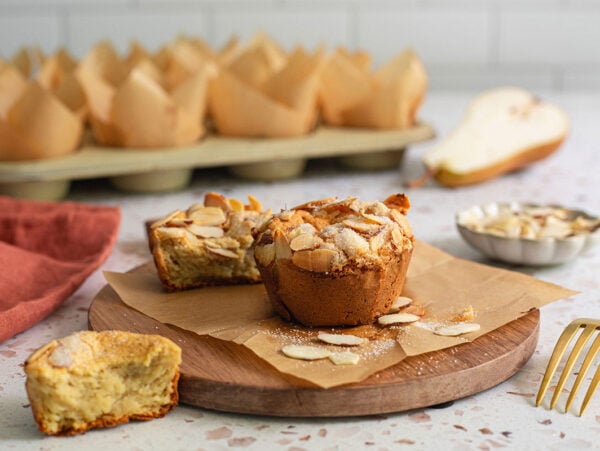
Whole Grain Pear Muffins with Flax Meal
Brown rice flour helps create a tender crumb and hearty texture in these wholesome muffins. Combined with flax meal and juicy pears, it’s a delicious example of how rice flour can add both structure and nutrition to gluten-free baking.
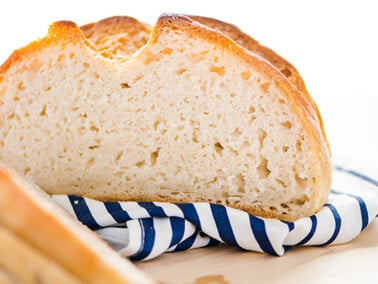
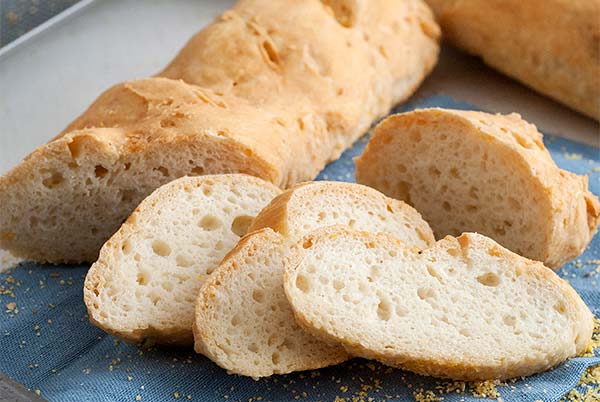
This rustic loaf combines brown rice flour with other gluten-free flours to create a hearty bread that’s perfect alongside soups, stews, and holiday meals. It also demonstrates how rice flour often works best as part of a balanced flour blend.
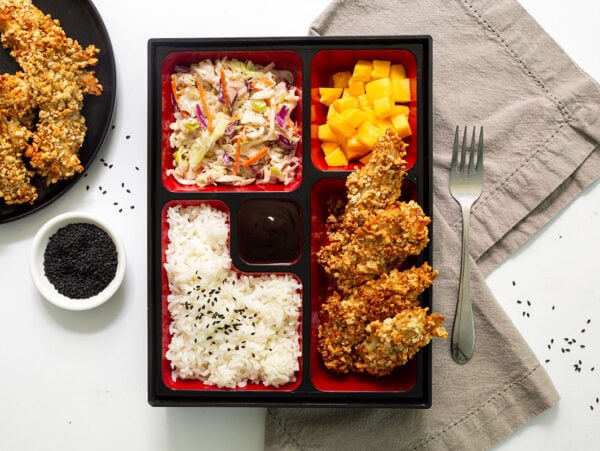
Rice flour helps create the light, crispy coating that makes pakora such a popular savory snack. This recipe showcases rice flour outside the world of baking and highlights its versatility in everyday cooking.
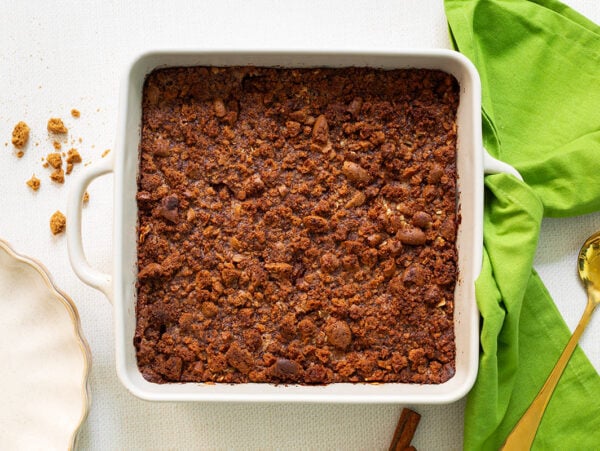
Dairy-Free Applesauce-Spice Doughnuts
These baked doughnuts use brown rice flour as part of a gluten-free flour blend that creates a tender texture and flavorful crumb. They’re proof that gluten-free baking can be every bit as satisfying as traditional baking.
Rice flour plays an important role in many gluten-free bread recipes because it provides structure without overpowering flavor. If you’re new to gluten-free bread baking, this reliable loaf is a great place to start.
Why We Use Rice Flour So Often in Gluten-Free Baking
Rice flour serves as the foundation for many gluten-free flour blends because it offers a neutral flavor and dependable texture. We often pair it with ingredients like xanthan gum, cornstarch, and baking powder to create baked goods that are light, tender, and structured.
Together, these ingredients form the backbone of many successful gluten-free baking recipes.
If you’re building a gluten-free pantry, you’ll also find helpful information in our:
- Gluten-Free Ingredients Guide
- Ultimate Guide to Gluten-Free Baking
- Setting Up Your Gluten-Free Kitchen
Frequently Asked Questions
Yes. Pure rice flour is naturally gluten-free and safe for people following a gluten-free diet.
No. Despite the name, glutinous rice flour does not contain gluten. The name refers to its sticky texture.
Yes. Brown rice flour is naturally gluten-free and is commonly used in gluten-free baking.
Yes. White rice flour is naturally gluten-free and is often used in gluten-free flour blends.
Yes, provided the rice flour has not been contaminated with gluten during processing.
Rice flour and wheat flour have different nutritional profiles. Brown rice flour contains more fiber than white rice flour, while wheat flour contains gluten and different protein levels. The best choice depends on individual dietary needs.
Not usually. Rice flour behaves differently than wheat flour and works best in recipes specifically developed for gluten-free baking.
The final scoop
Rice flour is one of the most important ingredients in gluten-free baking. Whether you choose white rice flour, brown rice flour, or sweet rice flour, each variety offers unique benefits and applications.
Understanding the differences between these types of rice flour can help you choose the right ingredient for your recipes and achieve better results in the kitchen. As always, choose products that are clearly labeled gluten-free and review packaging regularly, since manufacturing practices can change over time.
About Our Ingredient Guides
At Gluten Free & More, our editorial team, recipe developers, and gluten-free advocates use their years of experience to research ingredients, develop recipes, and create ingredient guides that help readers navigate gluten-free living with confidence.
We strive to provide clear, practical, and up-to-date information based on ingredient labels, manufacturer information, industry resources, and current gluten-free best practices. Because product formulations and manufacturing processes can change, we always recommend reviewing labels and allergen statements before purchasing.
Whether you’re newly diagnosed with celiac disease, managing gluten sensitivity, or simply exploring gluten-free living, we strive to make gluten-free ingredients easier to understand so you can cook, bake, and shop with confidence.
Our Commitment to Accuracy
Food manufacturers occasionally change ingredients, allergen statements, and production practices. While we make every effort to keep our ingredient guides current, readers should always verify information directly from product packaging and manufacturer websites.
If you notice a product update or believe information on this page needs review, please contact us so we can continue improving our resources for the gluten-free community.
Explore More Gluten-Free Ingredient Guides
Want to learn more about gluten-free ingredients and how to safely stock your pantry? Explore these helpful guides:
Gluten-Free Condiments & Sauces
- Is Soy Sauce Gluten-Free?
- Is Tamari Gluten-Free?
- Is Rice Vinegar Gluten-Free?
- Is Ponzu Sauce Gluten-Free?
Gluten-Free Baking Ingredients
Gluten-Free Grains & Basics
Gluten-Free Living Resources
- Ultimate Guide to the Gluten-Free Diet
- Setting Up Your Gluten-Free Kitchen
- Ultimate Guide to Gluten-Free Baking
We regularly update our gluten-free ingredient guides to help you identify safe foods, avoid hidden sources of gluten, and cook with confidence.
Updated June, 2026