Short Answer
Not all miso is gluten-free. While miso is traditionally made from fermented soybeans, some varieties also contain barley, wheat, or other gluten-containing grains. As a result, some miso products are safe for people with celiac disease and gluten sensitivity, while others are not.
The good news is that many manufacturers now produce gluten-free miso, making it easier than ever to enjoy this flavorful ingredient as part of a gluten-free diet.
The key is simple: always read the label and look for a gluten-free claim whenever possible.

What Is Miso?
Miso is a traditional Japanese fermented paste made by combining soybeans, salt, and a fermentation starter called koji. Depending on the recipe, manufacturers may also add rice, barley, or other grains.
Miso has a rich, savory flavor often described as umami and is commonly used in:
- Soups and broths
- Marinades
- Salad dressings
- Sauces
- Glazes
- Noodle dishes
Because miso is fermented, many people assume it is automatically gluten-free. However, the grains used during fermentation determine whether a particular miso is safe for a gluten-free diet.
Why Some Miso Contains Gluten
Not all miso is made the same way.
While soybeans are the primary ingredient, manufacturers often use additional grains during the fermentation process.
These grains can include:
- Rice
- Barley
- Wheat
- Other grains
Rice is naturally gluten-free, but barley and wheat contain gluten.
As a result, some miso products are gluten-free while others are not.
This is why it’s important to read ingredient labels carefully instead of assuming all miso is safe.
Which Types of Miso Are Usually Gluten-Free?
The type of grain used during fermentation often determines whether a miso is gluten-free.
| Type of Miso | Usually Gluten-Free? |
| Rice Miso | Often yes |
| Soybean Miso | Often yes |
| White Miso | Often yes, but check labels |
| Yellow Miso | Often yes, but check labels |
| Red Miso | Often yes, but check labels |
| Barley Miso | No |
| Specialty Miso | Depends on ingredients |
Because recipes and manufacturing practices vary, it’s always important to review the ingredient list and allergen statement.
Is Miso Safe for People with Celiac Disease?
Many gluten-free miso products are safe for people with celiac disease.
However, some miso products contain barley or wheat, while others may be produced in facilities that also process gluten-containing ingredients.
For the greatest level of confidence, look for:
- A gluten-free label
- Certified gluten-free products when available
- Clear allergen disclosures
- Ingredient lists that do not contain wheat or barley
If you’re unsure, contact the manufacturer directly before using the product.
How to Choose Gluten-Free Miso
When shopping for miso, we recommend:
Read the Ingredient List
Look for ingredients such as:
- Soybeans
- Rice
- Salt
- Koji
Be cautious if you see:
- Barley
- Wheat
- Malt
Look for a Gluten-Free Claim
A clearly labeled certified gluten-free product removes much of the guesswork.
Review Allergen Statements
Manufacturers often disclose whether products contain wheat or are processed on shared equipment.
Check Packaging Regularly
Recipes and manufacturing processes can change over time, so it’s always wise to review labels even if you’ve purchased the product before.
Miso vs. Soy Sauce vs. Tamari
Many people encounter miso alongside other Japanese pantry staples and wonder how they compare.
| Ingredient | Usually Gluten-Free? |
| Soy Sauce | Usually no |
| Tamari | Often yes |
| Miso | Sometimes |
| Ponzu Sauce | Sometimes |
Traditional soy sauce typically contains wheat, which is why many gluten-free cooks choose tamari instead.
To learn more, see:
- Is Soy Sauce Gluten-Free?
- Is Tamari Gluten-Free?
- Is Ponzu Sauce Gluten-Free?
- Is Rice Vinegar Gluten-Free?
Understanding how these ingredients differ can help you build a safer and more versatile gluten-free pantry.
Recipes Featuring Gluten-Free Miso
Miso adds deep umami flavor to soups, broths, marinades, and sauces. When made without gluten-containing grains, it can be a flavorful addition to a gluten-free kitchen.
Here are some of our favorite recipes featuring gluten-free miso.
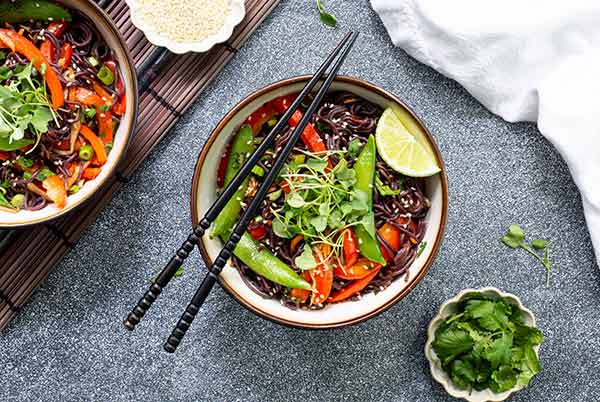
This cozy bowl combines seasonal vegetables with a rich miso broth for a comforting meal that’s perfect for cooler weather.
This elegant appetizer showcases how a small amount of miso can add incredible depth and complexity to seafood dishes.
Creamy Miso Ramen
A rich and satisfying ramen that highlights the savory character of gluten-free miso while creating a silky, flavorful broth.
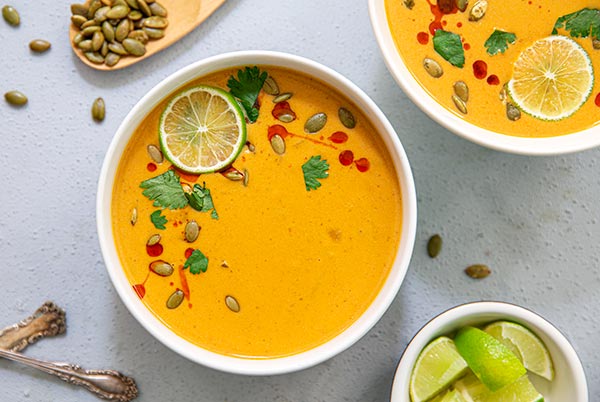
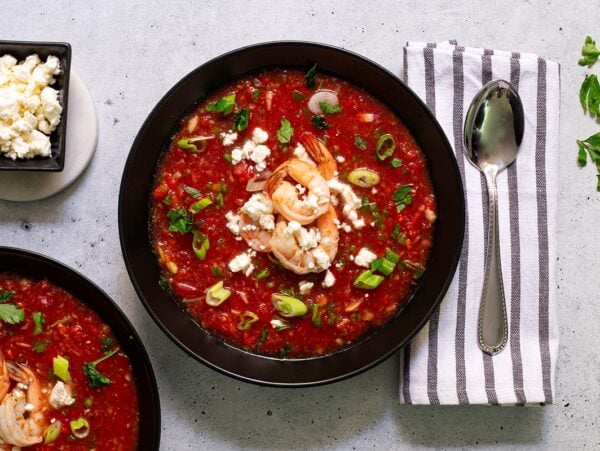
This fun seasonal recipe demonstrates how miso can serve as the foundation for a bold and flavorful gluten-free soup.
Why We Use Miso So Often in Gluten-Free Cooking
Miso delivers a deep savory flavor that can transform simple ingredients into satisfying meals. A small amount adds richness to soups, sauces, marinades, and dressings without requiring a long list of ingredients.
We often use miso alongside other gluten-free pantry staples such as tamari, rice vinegar, and ponzu sauce. Together, these ingredients help create the balanced sweet, salty, acidic, and umami flavors found in many Asian-inspired dishes.
If you’re building a gluten-free pantry, you’ll also find helpful information in our:
- Gluten-Free Ingredients Guide
- Ultimate Guide to the Gluten-Free Diet
- Setting Up Your Gluten-Free Kitchen
Frequently Asked Questions
Sometimes. Some miso products are gluten-free, while others contain barley or wheat. Always check the label.
Often yes, but not always. Ingredients vary by manufacturer, so it’s important to read labels carefully.
Often yes, but not always. Some varieties contain barley or other gluten-containing grains.
Not necessarily. Even if the miso itself is gluten-free, the soup may contain soy sauce, noodles, or other ingredients that contain gluten.
Barley is the most common gluten-containing ingredient found in miso. Some varieties may also contain wheat.
Yes, provided the miso is gluten-free and does not contain barley, wheat, or other gluten-containing ingredients.
No. Fermentation does not remove gluten. The original ingredients still determine whether a food contains gluten.
The final scoop
Miso can be a delicious addition to a gluten-free diet, but it is not automatically gluten-free. While many varieties are made with soybeans and rice, others contain barley or wheat, making them unsuitable for people with celiac disease or gluten sensitivity.
Understanding how miso is made and learning to read labels carefully can help you choose safe products and confidently incorporate miso into your cooking. As always, review packaging regularly and look for products that clearly state they are gluten-free.
About Our Ingredient Guides
At Gluten Free & More, our editorial team, recipe developers, and gluten-free advocates use their years of experience to research ingredients, develop recipes, and create ingredient guides that help readers navigate gluten-free living with confidence.
We strive to provide clear, practical, and up-to-date information based on ingredient labels, manufacturer information, industry resources, and current gluten-free best practices. Because product formulations and manufacturing processes can change, we always recommend reviewing labels and allergen statements before purchasing.
Whether you’re newly diagnosed with celiac disease, managing gluten sensitivity, or simply exploring gluten-free living, we strive to make gluten-free ingredients easier to understand so you can cook, bake, and shop with confidence.
Our Commitment to Accuracy
Food manufacturers occasionally change ingredients, allergen statements, and production practices. While we make every effort to keep our ingredient guides current, readers should always verify information directly from product packaging and manufacturer websites.
If you notice a product update or believe information on this page needs review, please contact us so we can continue improving our resources for the gluten-free community.
Explore More Gluten-Free Ingredient Guides
Want to learn more about gluten-free ingredients and how to safely stock your pantry? Explore these helpful guides:
Gluten-Free Condiments & Sauces
- Is Soy Sauce Gluten-Free?
- Is Tamari Gluten-Free?
- Is Rice Vinegar Gluten-Free?
- Is Ponzu Sauce Gluten-Free?
- Is Miso Gluten-Free?
- Is Worcestershire Sauce Gluten-Free?
- Is Fish Sauce Gluten-Free?
Gluten-Free Baking Ingredients
- Is Rice Flour Gluten-Free?
- Is Cornstarch Gluten-Free?
- Is Baking Powder Gluten-Free?
- Is Xanthan Gum Gluten-Free?
Gluten-Free Grains & Basics
Gluten-Free Living Resources
- Ultimate Guide to the Gluten-Free Diet
- Setting Up Your Gluten-Free Kitchen
- Ultimate Guide to Gluten-Free Baking
We regularly update our gluten-free ingredient guides to help you identify safe foods, avoid hidden sources of gluten, and cook with confidence.
Updated June, 2026