Short answer: Yes, pure oats are naturally gluten-free. However, most oats are at risk of cross-contact with wheat, barley, and rye during growing and processing. For people with celiac disease, only oats certified and labeled as such are considered safe.

What Are Gluten-Free Oats?
Gluten-free oats are oats that are grown, processed, and packaged using practices designed to prevent cross-contact with wheat, barley, and rye. They are tested to ensure they meet FDA standards for gluten-free foods, containing less than 20 parts per million (ppm) of gluten.
Because regular oats are often handled alongside gluten-containing grains, choosing oats labeled gluten-free is the safest option for people with celiac disease or gluten sensitivity.
Are Oats Naturally Gluten-Free?
Oats do not naturally contain gluten. Gluten is a protein found in wheat, barley, and rye. Pure oats contain a different protein called avenin, which most people with celiac disease can tolerate.
Because oats are naturally gluten-free, they can be a nutritious addition to a gluten-free diet. Oats provide fiber, vitamins, minerals, and antioxidants.
Why Are Some Oats Not Gluten-Free?
The biggest concern isn’t the oats themselves, it’s cross-contact.
Many oats are grown near wheat fields or processed using equipment that also handles wheat, barley, and rye. This can introduce enough gluten to make the oats unsafe for people with celiac disease.
Common sources of contamination include:
- Shared harvesting equipment
- Shared transportation systems
- Shared grain storage facilities
- Processing plants that also handle wheat
For this reason, regular oats should not automatically be assumed to be safe for people with celiac disease.
Gluten-Free Oats vs. Regular Oats
At first glance, specially processed oats and regular oats may look exactly the same. The difference isn’t the oat itself, it’s how the oats are grown, processed, and tested.
Both gluten-free oats and regular oats come from the same type of grain and are naturally free from gluten. However, regular oats are often exposed to wheat, barley, or rye during harvesting, transportation, storage, or processing. This cross-contact can introduce enough gluten to make them unsafe for people with celiac disease or gluten sensitivity.
Gluten-free oats are produced using practices designed to prevent cross-contact with gluten-containing grains. They are also tested to ensure they meet FDA standards for gluten-free foods, which require less than 20 parts per million (ppm) of gluten.
Key Differences Between Gluten-Free Oats and Regular Oats
| Gluten-Free Oats | Regular Oats |
| Naturally gluten-free | Naturally gluten-free |
| Processed to avoid cross-contact with wheat, barley, and rye | May be exposed to gluten-containing grains during processing |
| Tested to meet gluten-free standards | Typically not tested for gluten contamination |
| Labeled “gluten-free” on the package | May not carry a gluten-free label |
| Generally safe for most people with celiac disease | Not recommended for people with celiac disease |
When shopping for oats, don’t assume that terms like “natural,” “whole grain,” or “organic” mean gluten-free. The safest choice is to look for brands that are clearly labeled gluten-free and, when possible, certified by a trusted third-party organization such as the Gluten Intolerance Group.
For people with celiac disease, choosing certified, specially processed oats can help reduce the risk of accidental gluten exposure while still allowing them to enjoy the nutritional benefits of oats.
What Oats Are Safe for People with Celiac Disease?
Look for oats that are clearly labeled “gluten-free.”
Under FDA regulations, foods labeled gluten-free must contain less than 20 parts per million (ppm) of gluten. Oats that meet these standards may be labeled gluten-free and are generally considered safe for most people with celiac disease.
When shopping, check for:
- A gluten-free label
- Third-party gluten-free certification
- Manufacturers with dedicated gluten-free programs
If a product contains oats but does not say gluten-free, it’s best to choose another option.
Can People with Celiac Disease Eat Oats?
Most people with celiac disease can tolerate oats certified gluten-free.
However, a small percentage may react to avenin, the protein naturally found in oats. If you have celiac disease and are adding oats to your diet for the first time, speak with your healthcare provider and introduce them gradually.
Are Instant Oats Gluten-Free?
Sometimes.
Instant oats are only gluten-free if the package specifically says so. The type of oat—instant, rolled, old-fashioned, or steel-cut—does not determine whether it’s gluten-free. The processing and handling methods are what matter.
Benefits of Gluten-Free Oats
Certified gluten-free oats provide:
- Soluble fiber
- Protein
- Iron
- Magnesium
- Antioxidants
- Beta-glucans that support heart health
Many gluten-free diets are low in fiber, making oats a valuable ingredient for many people.
How to Buy Gluten-Free Oats
When shopping, follow these guidelines:
- Look for a gluten-free label.
- Read ingredient statements carefully.
- Avoid oats processed with wheat unless certified gluten-free.
- Purchase from trusted manufacturers with gluten-free practices.
Remember that terms such as “natural,” “organic,” or “100% oats” do not automatically mean gluten-free.
Always consult your healthcare provider if you have celiac disease before adding oats to your diet.
Frequently Asked Questions
Rolled oats are only gluten-free when they are specifically labeled gluten-free. The rolling process does not remove or add gluten.
Steel-cut oats are naturally gluten-free but may be contaminated during processing. Always look for a gluten-free label.
Oatmeal made from certified gluten-free oats is gluten-free. Regular oatmeal may not be safe for people with celiac disease.
Most can eat certified gluten-free oats, but some individuals may react to avenin (a type of protein found exclusively in oats) and should consult their healthcare provider.
Some Quaker products are specifically labeled gluten-free while others are not. Always check the package label before purchasing.
Recipes Using Safe Oats
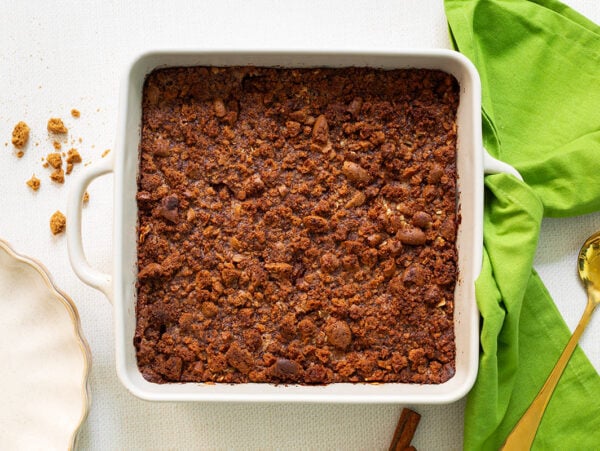
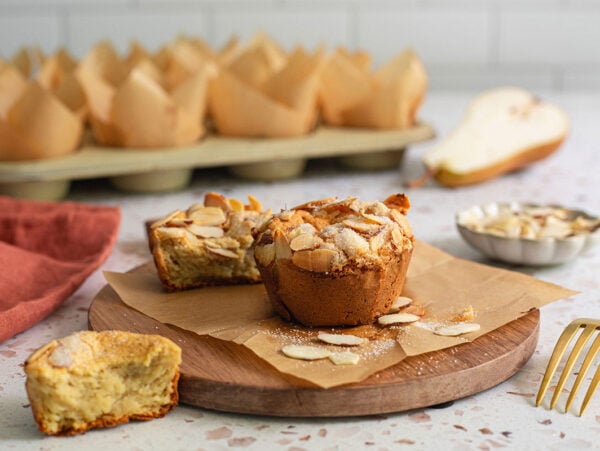
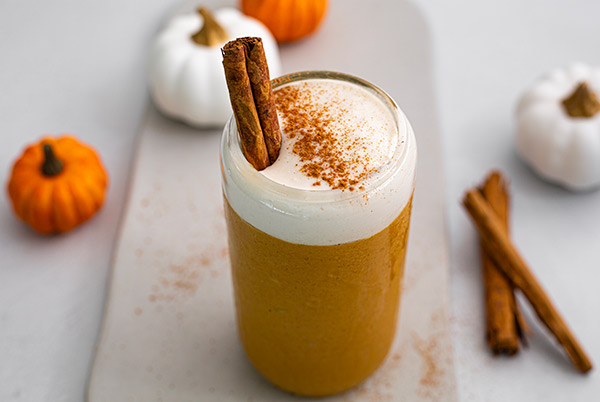
Once you choose certified gluten-free oats, try them in these easy recipes:
Key Takeaway:
Oats are naturally gluten-free, but only certified gluten-free oats are considered safe for people with celiac disease due to cross-contact risks.
About Our Ingredient Guides
At Gluten Free & More, our editorial team, recipe developers, and gluten-free advocates use their years of experience to research ingredients, develop recipes, and create ingredient guides that help readers navigate gluten-free living with confidence.
We strive to provide clear, practical, and up-to-date information based on ingredient labels, manufacturer information, industry resources, and current gluten-free best practices. Because product formulations and manufacturing processes can change, we always recommend reviewing labels and allergen statements before purchasing.
Whether you’re newly diagnosed with celiac disease, managing gluten sensitivity, or simply exploring gluten-free living, we strive to make gluten-free ingredients easier to understand so you can cook, bake, and shop with confidence.
Our Commitment to Accuracy
Food manufacturers occasionally change ingredients, allergen statements, and production practices. While we make every effort to keep our ingredient guides current, readers should always verify information directly from product packaging and manufacturer websites.
If you notice a product update or believe information on this page needs review, please contact us so we can continue improving our resources for the gluten-free community.
Explore More Gluten-Free Ingredient Guides
Want to learn more about gluten-free ingredients and how to safely stock your pantry? Explore these helpful guides:
Gluten-Free Condiments & Sauces
- Is Soy Sauce Gluten-Free?
- Is Tamari Gluten-Free?
- Is Rice Vinegar Gluten-Free?
- Is Ponzu Sauce Gluten-Free?
- Is Miso Gluten-Free?
- Is Worcestershire Sauce Gluten-Free?
- Is Fish Sauce Gluten-Free?
Gluten-Free Baking Ingredients
- Is Rice Flour Gluten-Free?
- Is Cornstarch Gluten-Free?
- Is Baking Powder Gluten-Free?
- Is Xanthan Gum Gluten-Free?
Gluten-Free Grains & Basics
Gluten-Free Living Resources
- Ultimate Guide to the Gluten-Free Diet
- Setting Up Your Gluten-Free Kitchen
- Ultimate Guide to Gluten-Free Baking
We regularly update our gluten-free ingredient guides to help you identify safe foods, avoid hidden sources of gluten, and cook with confidence.
Updated June, 2026