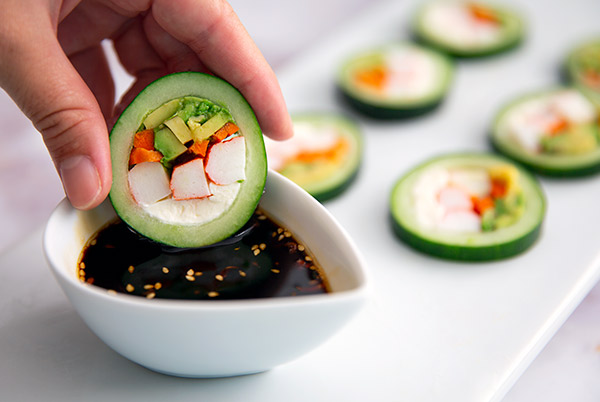
Is Soy Sauce Gluten-Free? What People with Celiac Disease Need to Know

If you’re following a gluten-free diet, soy sauce is one ingredient that deserves a closer look. While it may seem like a simple condiment, traditional soy sauce is usually made with wheat, making it unsafe for people with celiac disease or gluten sensitivity.

The good news? There are plenty of delicious gluten-free alternatives available today, including tamari and specially formulated gluten-free soy sauces.

At Gluten Free & More, we’ve spent decades helping readers navigate the hidden sources of gluten in everyday foods. Soy sauce is one of the most common ingredients that surprises people who are new to gluten-free living, which is why understanding the differences can make grocery shopping and dining out much easier.

Quick Answer: Is Soy Sauce Gluten-Free?

No, traditional soy sauce is generally not gluten-free.

Most conventional soy sauces are brewed using soybeans, salt, water, and wheat. Because wheat is one of the primary ingredients, traditional soy sauce contains gluten and should be avoided by people with celiac disease.

To enjoy the same savory, umami-rich flavor without gluten, look for products specifically labeled gluten-free or choose tamari.

Why Does Soy Sauce Contain Gluten?

Traditional soy sauce is made through a fermentation process that typically includes wheat.

While recipes vary by manufacturer, wheat is often used alongside soybeans to develop flavor, aroma, and color. Because the wheat remains part of the final product, the sauce is not considered gluten-free.

Many people assume soy sauce is gluten-free because of the word “soy” in the name, but the wheat content makes it one of the most common hidden sources of gluten in Asian-inspired dishes.

What Is Tamari?

Tamari is a Japanese-style sauce that is traditionally made with little or no wheat.

Many tamari products are certified gluten-free, making them a popular choice for people with celiac disease and gluten sensitivity.

Tamari offers:

  • Rich umami flavor
  • Slightly less saltiness than some soy sauces
  • Excellent performance in marinades and sauces
  • A nearly identical culinary use to traditional soy sauce

Always read labels carefully, as some tamari products may contain small amounts of wheat.

Is Tamari Gluten-Free?

Usually, yes.

Most tamari products marketed to gluten-free consumers are either certified gluten-free or clearly labeled gluten-free.

However, not all tamari is automatically gluten-free. Always check the packaging and ingredient statement before purchasing.

Are Gluten-Free Soy Sauces Available?

Yes.

Many manufacturers now produce gluten-free soy sauces made without wheat. These products are formulated to deliver the familiar flavor of traditional soy sauce while meeting gluten-free standards.

When shopping, look for:

  • Gluten-free labeling
  • Certified gluten-free seals
  • Clear allergen statements
  • Reputable manufacturers with gluten-free protocols

What If You’re Allergic to Soy?

If you’re avoiding soy due to an allergy or dietary preference, there are several flavorful alternatives to traditional soy sauce and tamari.

One of the most popular options is coconut aminos, a savory seasoning made from fermented coconut sap. Coconut aminos are naturally gluten-free and soy-free and provide a slightly sweeter, milder flavor than soy sauce.

Another excellent option is San-J No Soy Tamari, which is specifically formulated for those who need both a gluten-free and soy-free alternative. It delivers the rich umami flavor associated with tamari without using soybeans.

When substituting coconut aminos or a soy-free tamari alternative in recipes, you can generally use them in place of soy sauce in marinades, dressings, stir-fries, noodle dishes, and dipping sauces.

Is Soy Sauce Safe for People with Celiac Disease?

Traditional soy sauce is not considered safe for people with celiac disease because it contains wheat.

Even small amounts of gluten can trigger symptoms and intestinal damage in individuals with celiac disease. For this reason, experts recommend choosing certified gluten-free alternatives whenever soy sauce is called for in a recipe.

What About Soy Sauce in Restaurants?

Restaurant soy sauce is almost always traditional soy sauce unless otherwise specified.

When dining out:

  • Ask if gluten-free tamari is available.
  • Confirm that marinades and sauces are gluten-free.
  • Be aware that many Asian-inspired dishes contain soy sauce.
  • Ask about cross-contact procedures in the kitchen.

Sushi restaurants are one of the most common places where gluten-free diners encounter traditional soy sauce.

For convenience, San-J makes organic, gluten-free tamari travel packs to take with you.

How to Identify Gluten-Free Soy Sauce

Reading labels is essential.

Look for:

  • “Gluten-Free” on the package
  • Certified gluten-free seals
  • Ingredient lists free of wheat
  • Allergen disclosures

Avoid products containing:

  • Wheat
  • Barley
  • Malt
  • Brewer’s yeast derived from barley

If you’re unsure, contact the manufacturer directly.

Best Uses for Gluten-Free Soy Sauce and Tamari

Gluten-free soy sauce alternatives can be used exactly as you would traditional soy sauce.

They’re perfect for:

  • Stir-fries
  • Marinades
  • Salad dressings
  • Dipping sauces
  • Fried rice
  • Noodle dishes
  • Grilled meats
  • Roasted vegetables

Many home cooks find they cannot tell the difference between high-quality tamari and traditional soy sauce in finished recipes.

Frequently Asked Questions

Does all soy sauce contain wheat?

Most traditional soy sauces contain wheat. Always read labels carefully and choose products labeled gluten-free if needed.

Is tamari the same as soy sauce?

Tamari and soy sauce are similar but not identical. Tamari is generally richer and less salty and is often gluten-free.

Can people with celiac disease eat tamari?

Most certified gluten-free tamari products are considered safe for people with celiac disease.

Is soy sauce used in sushi?

Yes. Soy sauce is commonly served with sushi, and many sushi rice seasonings and sauces may also contain gluten. Ask for gluten-free tamari when dining out.

What is the best gluten-free substitute for soy sauce?

Tamari is the most common substitute, though coconut aminos are another popular option.

Are coconut aminos gluten-free?

Yes. Coconut aminos are naturally gluten-free and are often used as a soy-free alternative to soy sauce.

Is soy sauce gluten-free if it is fermented?

No. Fermentation does not remove gluten from traditional soy sauce made with wheat.

What can I use instead of soy sauce if I have a soy allergy?

Coconut aminos are one of the most popular soy-free and gluten-free alternatives to soy sauce. Products such as San-J No Soy Tamari are also designed for people who need a soy-free, gluten-free option while still providing a rich umami flavor.

Recipes That Use Gluten-Free Soy Sauce Alternatives

Once you’ve stocked your pantry with gluten-free tamari or soy sauce, try it in:

Why Trust Gluten Free & More?

For more than two decades, Gluten Free & More has been helping readers navigate gluten-free living through tested recipes, practical education, and trusted ingredient guidance. Our editorial team regularly researches ingredient labeling, food safety recommendations, and gluten-free product standards to provide reliable information that helps readers make informed choices.

While ingredient formulations can change, we encourage readers to always verify product labels and consult manufacturers when questions arise.

Last reviewed and updated: June 2026.