Short Answer
Yes, xanthan gum is generally gluten-free and widely used in gluten-free baking to replace the structure and elasticity normally provided by gluten. It is typically produced through fermentation using sugar sources rather than wheat or gluten-containing grains. However, as with all ingredients, it’s important to check labels for potential cross-contamination or added ingredients.

What Is Xanthan Gum?
Xanthan gum is a natural thickening and stabilizing agent used in both cooking and baking. We use it in gluten-free recipes to help mimic the structure that gluten normally provides.
It is created through a fermentation process where a specific type of bacteria (Xanthomonas campestris) is fed a sugar source. The result is a soluble fiber that helps:
- Thicken liquids
- Stabilize sauces and dressings
- Improve texture in gluten-free baked goods
- Prevent ingredients from separating
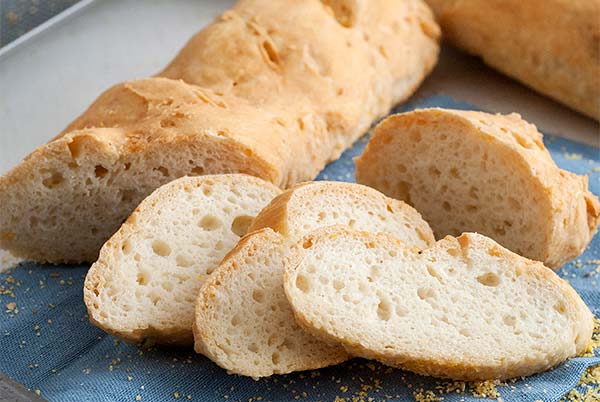
In gluten-free baking, xanthan gum helps doughs hold together and gives baked goods better structure and texture.
Is Xanthan Gum Safe for a Gluten-Free Diet?
Yes. Xanthan gum is considered safe for most people following a gluten-free diet, including those with celiac disease.
It is widely used in certified gluten-free products because:
- It is produced through fermentation, not from wheat
- The final product does not contain gluten proteins
- It is commonly used in gluten-free flour blends and baked goods
However, it’s still important to choose reputable brands and read labels carefully.
Why Xanthan Gum Causes Confusion
We understand why xanthan gum raises questions.
People often assume it may contain gluten because:
- It appears in processed gluten-free baked goods
- The word “gum” sounds artificial or chemical
- It is sometimes derived from sugar sources like corn or soy
- It is unfamiliar to many home bakers
The important takeaway is this: xanthan gum itself does not contain gluten.
When Xanthan Gum May NOT Be Gluten-Free
While rare, there are a few situations to be aware of:
Cross-Contamination Risk
Some xanthan gum is produced in facilities that also process wheat or gluten-containing ingredients. This is the most common concern.
Source Ingredients
Xanthan gum is typically made from sugars derived from corn, soy, or wheat. Even though gluten proteins are removed during fermentation, highly sensitive individuals may prefer products labeled gluten-free.
Blended Products
Some thickening or baking blends may include xanthan gum alongside other ingredients that could contain gluten.
Who Should Avoid Xanthan Gum?
Xanthan gum is safe for most people, but some individuals may choose to limit or avoid it.
People with digestive sensitivity
Some people experience:
- Bloating
- Gas
- Loose stools
This is related to its high fiber content, not gluten.
People with IBS or FODMAP sensitivity
Xanthan gum may trigger symptoms in some individuals following a low-FODMAP diet, especially in larger amounts.
Infants and young children
Large amounts are not typically recommended for infants due to its thickening and fiber properties.
Rare individual sensitivities
Although uncommon, some individuals may be sensitive to fermentation-based additives.
If you are unsure, start with small amounts and see how your body responds.
Xanthan Gum Substitutes (With Ratios)
If you prefer to avoid xanthan gum or don’t have it on hand, there are several effective gluten-free alternatives. Each works differently depending on the recipe.
1. Guar Gum
Best for: Cakes, cookies, sauces, cold recipes
Substitution ratio: 1:1 (replace xanthan gum directly)
Guar gum behaves similarly to xanthan gum and works especially well in cold or no-bake recipes.
2. Psyllium Husk (Powdered)
Best for: Bread, pizza dough, yeast-based baking
Substitution ratio:
- 1 teaspoon xanthan gum = 1 tablespoon psyllium husk powder
Psyllium provides excellent structure and elasticity in gluten-free bread recipes.
3. Chia Seeds (Gel Form)
Best for: Muffins, pancakes, cookies
Substitution ratio:
- 1 teaspoon xanthan gum = 1 tablespoon chia seeds + 3 tablespoons water
Let the mixture sit for 10–15 minutes until it forms a gel.
4. Ground Flaxseed (Flax Egg)
Best for: Muffins, pancakes, quick breads
Substitution ratio:
- 1 teaspoon xanthan gum = 1 tablespoon ground flaxseed + 3 tablespoons water
Best used in moist, dense baked goods.
5. Cornstarch (Limited Use)
Best for: Sauces, gravies, light thickening
Substitution ratio:
- 1 teaspoon xanthan gum = 2 teaspoons cornstarch
Cornstarch does not replace structure, so it should not be used in baking as a direct substitute.
Important Note on Substitutions
No substitute behaves exactly like xanthan gum.
For best results:
- Use guar gum or psyllium husk for baking
- Use chia or flax for moisture-rich recipes
- Use cornstarch only for thickening sauces
Frequently Asked Questions
Yes. Xanthan gum is generally gluten-free and widely used in gluten-free baking.
It is produced through fermentation using bacteria fed with sugar sources such as corn, soy, or sometimes wheat-derived glucose.
Yes. Most people with celiac disease can safely consume xanthan gum, especially when it is labeled gluten-free.
Yes. You can use alternatives like psyllium husk, guar gum, flaxseed, or chia seeds depending on the recipe.
No. The fermentation process removes gluten proteins, and the final product does not contain wheat gluten.
Kitchen Notes
Xanthan gum is a key ingredient in gluten-free baking, helping replace the structure and elasticity that gluten normally provides. While it is generally safe and gluten-free, we recommend choosing products that are clearly labeled gluten-free and paying attention to how your body responds if you have digestive sensitivities.
When used correctly, xanthan gum can significantly improve texture in gluten-free breads, cookies, cakes, and sauces, making it one of the most valuable tools in gluten-free baking.
About Our Ingredient Guides
At Gluten Free & More, our editorial team, recipe developers, and gluten-free advocates use their years of experience to research ingredients, develop recipes, and create ingredient guides that help readers navigate gluten-free living with confidence.
We strive to provide clear, practical, and up-to-date information based on ingredient labels, manufacturer information, industry resources, and current gluten-free best practices. Because product formulations and manufacturing processes can change, we always recommend reviewing labels and allergen statements before purchasing.
Whether you’re newly diagnosed with celiac disease, managing gluten sensitivity, or simply exploring gluten-free living, we strive to make gluten-free ingredients easier to understand so you can cook, bake, and shop with confidence.
Our Commitment to Accuracy
Food manufacturers occasionally change ingredients, allergen statements, and production practices. While we make every effort to keep our ingredient guides current, readers should always verify information directly from product packaging and manufacturer websites.
If you notice a product update or believe information on this page needs review, please contact us so we can continue improving our resources for the gluten-free community.
Explore More Gluten-Free Ingredient Guides
Want to learn more about gluten-free ingredients and how to safely stock your pantry? Explore these helpful guides:
Gluten-Free Condiments & Sauces
- Is Soy Sauce Gluten-Free?
- Is Tamari Gluten-Free?
- Is Rice Vinegar Gluten-Free?
- Is Ponzu Sauce Gluten-Free?
- Is Miso Gluten-Free?
- Is Worcestershire Sauce Gluten-Free?
- Is Fish Sauce Gluten-Free?
Gluten-Free Baking Ingredients
- Is Rice Flour Gluten-Free?
- Is Cornstarch Gluten-Free?
- Is Baking Powder Gluten-Free?
- Is Xanthan Gum Gluten-Free?
Gluten-Free Grains & Basics
Gluten-Free Living Resources
- Ultimate Guide to the Gluten-Free Diet
- Setting Up Your Gluten-Free Kitchen
- Ultimate Guide to Gluten-Free Baking
We regularly update our gluten-free ingredient guides to help you identify safe foods, avoid hidden sources of gluten, and cook with confidence.
Updated June, 2026