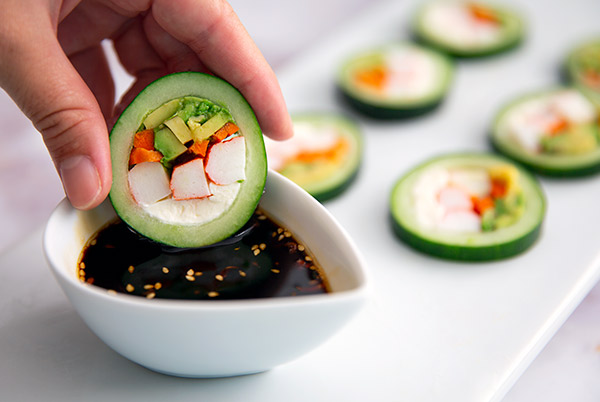
Is ponzu sauce gluten-free?

Short Answer

Ponzu sauce is not always gluten-free. Traditional ponzu is typically made with soy sauce that contains wheat, which makes most conventional versions unsuitable for a gluten-free diet. However, some brands make gluten-free ponzu by using tamari instead of soy sauce, and those versions can be safe for people with celiac disease or gluten sensitivity.

The key is simple: always check the label and look for a gluten-free claim.

is ponzu sauce gluten free?

What Is Ponzu Sauce?

Ponzu sauce is a Japanese citrus-based condiment known for its bright, tangy, and savory flavor. It balances acidity from citrus with deep umami from soy sauce, making it incredibly versatile in both cooking and finishing dishes.

Traditional ponzu sauce typically includes:

  • Soy sauce
  • Citrus juice (yuzu, lemon, sudachi, or orange)
  • Rice vinegar
  • Mirin or sweetener
  • Optional dashi (fish stock)

Because soy sauce is a core ingredient, most traditional ponzu sauces contain wheat and are not gluten-free.

Why Ponzu Sauce Is Often Not Gluten-Free

The main issue is the soy sauce base.

Most conventional soy sauce is brewed with:

  • Soybeans
  • Wheat

That wheat remains in the final product and carries through into ponzu sauce.

Even though ingredients like citrus juice and rice vinegar are naturally gluten-free, the soy sauce component makes most ponzu sauces unsafe for gluten-free diets.

If you’re learning how soy-based sauces work, you may also want to read our guide: Is Soy Sauce Gluten-Free? It explains why wheat is so commonly used in traditional fermentation.

When Ponzu Sauce IS Gluten-Free

Some modern ponzu sauces are made specifically for gluten-free diets. These versions replace traditional soy sauce with tamari, which is typically made without wheat.

Gluten-free ponzu sauces usually:

  • Use tamari instead of soy sauce
  • Clearly label themselves “gluten-free”
  • Avoid wheat-based ingredients entirely

For example, Marukan Premium Soy Ponzu (including Yuzu Ponzu and Sudachi Ponzu varieties) is made with gluten-free tamari and is labeled gluten-free.

Because ponzu is often used in marinades and dressings, it’s also helpful to understand related ingredients like Rice Vinegar, since rice vinegar is commonly used alongside ponzu in Asian-inspired cooking.

Ponzu Sauce vs. Soy Sauce vs. Tamari

Understanding the difference helps avoid confusion when shopping.

IngredientGluten StatusNotes
Soy SauceUsually NOT gluten-freeTypically contains wheat
TamariOften gluten-freeWheat-free alternative to soy sauce
Ponzu SauceSometimes gluten-freeDepends on soy sauce base

Ponzu is essentially a composite sauce, so its gluten-free status depends entirely on the soy sauce used to make it.

How to Choose Gluten-Free Ponzu Sauce

When shopping for ponzu sauce, we recommend:

  • Looking for a clearly labeled gluten-free product
  • Checking that tamari is used instead of soy sauce
  • Reading the full ingredient list (not just front packaging claims)
  • Reviewing allergen statements for wheat or shared equipment warnings

If a ponzu sauce does not explicitly say gluten-free, it is safest to assume it is not.

How We Use Ponzu Sauce in Gluten-Free Cooking

Ponzu is one of the most versatile gluten-free-friendly sauces when you choose the right version. We use it in everything from quick weeknight meals to elevated dishes.

Marinades

Ponzu adds instant flavor to chicken, steak, tofu, and seafood without needing multiple ingredients.

Salad Dressings

Whisk ponzu with olive oil or sesame oil for a bright, citrus-forward dressing.

Dipping Sauces

Perfect for sushi, dumplings, grilled meats, and vegetables.

Finishing Sauce

A light drizzle over rice bowls or vegetables adds acidity and depth.

Gluten-Free Recipes Using Ponzu Sauce

Ponzu works beautifully in both savory and fresh dishes. Here are some of our favorite ways we use it in recipes:

Dominican-Inspired Pulled Pork Sandwiches with Ponzu Thousand Island

Ponzu adds a tangy, savory depth to a creative Thousand Island-style dressing that balances richness with acidity.

Eggs Benedict with Ponzu Hollandaise

Ponzu brightens a rich hollandaise sauce, cutting through the creaminess with citrus and umami.

Gluten-Free Pork Dumplings with Yuzu Ponzu Dressing

A perfect example of ponzu as a dipping sauce for gluten-free Asian-inspired dishes.

Yuzu Ponzu Grilled Steak and Vegetable Kebabs

Ponzu is used as both a marinade and finishing glaze, adding bold flavor with minimal effort.
 

Yuzu Ponzu Tuna Rolls

A light, fresh dish where ponzu enhances seafood without overpowering it.

Frequently Asked Questions

Is all ponzu sauce gluten-free?

No. Most traditional ponzu sauces contain soy sauce made with wheat. Only versions made with gluten-free tamari are safe.

What makes ponzu sauce not gluten-free?

The soy sauce base is usually the issue because it contains wheat.

Can I buy gluten-free ponzu sauce?

Yes. Some brands clearly label gluten-free ponzu, especially those made with tamari instead of soy sauce.

Is ponzu sauce the same as soy sauce?

No. Ponzu is a citrus-based sauce that includes soy sauce, citrus juice, and vinegar.

Is tamari ponzu gluten-free?

Yes, if it is made with certified gluten-free tamari and clearly labeled as gluten-free.

Kitchen Notes

Ponzu sauce can be a flavorful and versatile addition to gluten-free cooking, but it is not automatically safe. The gluten-free status depends entirely on whether the soy sauce base contains wheat or has been replaced with gluten-free tamari.

Once you understand how ponzu is built, it becomes much easier to choose safe products and confidently use it in marinades, dressings, and finishing sauces. Always read labels carefully, and when in doubt, choose products that clearly state they are gluten-free.

About Our Ingredient Guides

At Gluten Free & More, our editorial team, recipe developers, and gluten-free advocates use their years of experience to research ingredients, develop recipes, and create ingredient guides that help readers navigate gluten-free living with confidence.

We strive to provide clear, practical, and up-to-date information based on ingredient labels, manufacturer information, industry resources, and current gluten-free best practices. Because product formulations and manufacturing processes can change, we always recommend reviewing labels and allergen statements before purchasing.

Whether you’re newly diagnosed with celiac disease, managing gluten sensitivity, or simply exploring gluten-free living, we strive to make gluten-free ingredients easier to understand so you can cook, bake, and shop with confidence.

Our Commitment to Accuracy

Food manufacturers occasionally change ingredients, allergen statements, and production practices. While we make every effort to keep our ingredient guides current, readers should always verify information directly from product packaging and manufacturer websites.

If you notice a product update or believe information on this page needs review, please contact us so we can continue improving our resources for the gluten-free community.

Explore More Gluten-Free Ingredient Guides

Want to learn more about gluten-free ingredients and how to safely stock your pantry? Explore these helpful guides:

Gluten-Free Condiments & Sauces

Gluten-Free Baking Ingredients

Gluten-Free Grains & Basics

Gluten-Free Living Resources

We regularly update our gluten-free ingredient guides to help you identify safe foods, avoid hidden sources of gluten, and cook with confidence.

Updated June, 2026