is tapioca flour gluten-free?

Yes, tapioca flour is naturally gluten-free. Tapioca flour is made from the cassava root, a starchy tuber native to South America. Because cassava does not contain wheat, barley, or rye, pure tapioca flour is considered safe for people with celiac disease and gluten sensitivity.

Tapioca flour is one of the most commonly used ingredients in gluten-free baking because it helps create the soft texture, chewiness, and structure that gluten-free baked goods often need.

As with any packaged ingredient, it’s important to check labels for potential cross-contact and choose products labeled gluten-free whenever possible.

What Is Tapioca Flour?

Tapioca flour is a fine white flour made from the starch extracted from cassava root. It has a neutral flavor and smooth texture, making it an excellent ingredient for both baking and cooking.

Tapioca flour is commonly used in:

  • Gluten-free breads
  • Cakes and cookies
  • Pizza crusts
  • Dumpling wrappers
  • Thickening sauces and gravies
  • Crispy coatings for fried foods

Because it helps improve texture and elasticity, tapioca flour appears in many commercial gluten-free flour blends.

Is Tapioca Flour the Same as Tapioca Starch?

In the United States, tapioca flour and tapioca starch are generally the same product.

Manufacturers often use the terms interchangeably, and most grocery stores sell identical products under either name.

However, this can create confusion because some other gluten-free flours, such as coconut flour or almond flour, contain the entire ground ingredient rather than just the starch.

With tapioca, both “tapioca flour” and “tapioca starch” typically refer to the purified starch extracted from cassava root.

When following gluten-free recipes, you can usually substitute one for the other without making adjustments.

One of the biggest challenges in gluten-free baking is replacing the structure and elasticity that gluten provides.

Tapioca flour helps by adding:

  • Chewiness
  • Elasticity
  • Moisture retention
  • Improved browning
  • A lighter texture

Many gluten-free bakers use tapioca flour alongside ingredients such as:

  • Rice flour
  • Xanthan gum
  • Cornstarch
  • Baking powder

Together, these ingredients help create baked goods that are softer, lighter, and less crumbly.

To learn more, see:

Is Tapioca Flour Safe for People with Celiac Disease?

Yes. Pure tapioca flour is naturally gluten-free and is widely used in products designed for people with celiac disease.

However, cross-contact can occur if manufacturers process tapioca flour in facilities that also handle wheat-based products.

For added confidence, look for:

  • Gluten-free labeling
  • Certified gluten-free products when available
  • Clear allergen statements

As always, review packaging regularly because manufacturing practices can change.

Tapioca Flour vs. Cornstarch

Both tapioca flour and cornstarch are common gluten-free starches, but they behave differently.

Tapioca FlourCornstarch
Adds chewinessCreates a lighter texture
Improves elasticityExcellent thickener
Works well in breadsCommon in sauces and gravies
Derived from cassava rootDerived from corn

Many gluten-free recipes use both ingredients because each contributes different qualities.

Tapioca Flour vs. Arrowroot Starch

Arrowroot and tapioca are often used for similar purposes, but there are some differences.

Tapioca FlourArrowroot Starch
Creates a slightly chewy textureCreates a smoother texture
Excellent for breadsExcellent for sauces
Helps improve elasticityProduces clear sauces
Common in baking blendsCommon in thickening applications

Both are naturally gluten-free and useful pantry staples.

Can You Substitute Tapioca Flour?

Sometimes.

Tapioca flour often works as a substitute for:

  • Arrowroot starch
  • Cornstarch
  • Potato starch

However, each starch behaves differently, so results may vary depending on the recipe.

For baking, it’s generally best to follow recipes that have been specifically tested using tapioca flour.

Recipes Featuring Tapioca Flour

Tapioca flour is one of the hardest-working ingredients in gluten-free cooking. It helps create chewy dumplings, crispy coatings, light breads, and tender baked goods.

Here are some of our favorite recipes featuring tapioca flour.

Fried Wontons

Tapioca flour helps provide flexibility and structure in gluten-free doughs, making it a valuable ingredient in recipes like these crispy wontons.

Spicy Coconut Shrimp

Tapioca flour contributes to the light, crispy coating that makes this shrimp recipe so irresistible.

Popovers

One of the reasons gluten-free popovers can achieve such an impressive rise is the strategic use of starches like tapioca flour to create structure and elasticity.

Gluten-Free Pork Dumplings with Yuzu Ponzu Dressing

Tapioca flour helps create a pliable dough that works beautifully for dumplings while maintaining a satisfying texture.

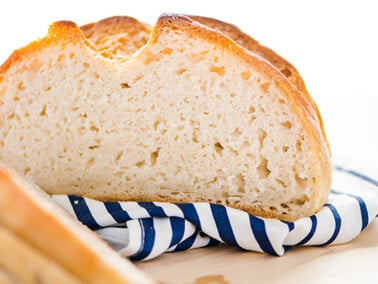
Gluten-Free Irish Brown Bread

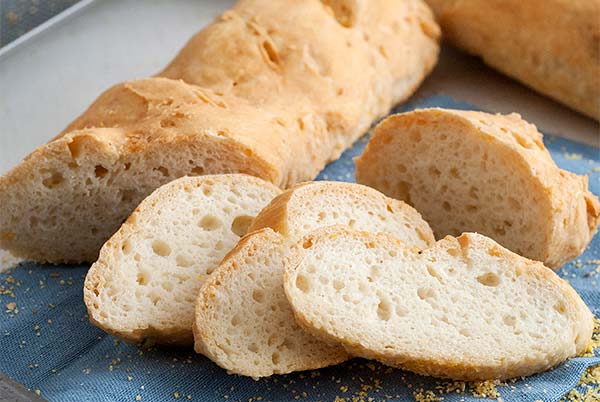
This hearty bread demonstrates how tapioca flour can work alongside other gluten-free flours to create a balanced texture and tender crumb.

Why We Use Tapioca Flour So Often in Gluten-Free Baking

Tapioca flour helps solve many of the challenges that gluten-free bakers face. It improves texture, enhances elasticity, and contributes to the chewiness that can be difficult to achieve without gluten.

That’s why you’ll often see it paired with rice flour, xanthan gum, cornstarch, and other gluten-free baking staples.

If you’re building a gluten-free pantry, you’ll also find helpful information in our:

  • Gluten-Free Ingredients Guide
  • Ultimate Guide to Gluten-Free Baking
  • Setting Up Your Gluten-Free Kitchen

Frequently Asked Questions

Is tapioca flour gluten-free?

Yes. Pure tapioca flour is naturally gluten-free because it is made from cassava root.

Is tapioca starch gluten-free?

Yes. Tapioca starch is naturally gluten-free.

Is tapioca flour the same as tapioca starch?

In the United States, the terms are generally used interchangeably and usually refer to the same product.

Can people with celiac disease eat tapioca flour?

Yes. Pure tapioca flour is considered safe for people with celiac disease.

What does tapioca flour do in gluten-free baking?

Tapioca flour adds chewiness, elasticity, moisture retention, and improved texture to baked goods.

Can I substitute cornstarch for tapioca flour?

Sometimes. The two ingredients behave differently, so results may vary depending on the recipe.

Is tapioca flour healthier than wheat flour?

Tapioca flour and wheat flour serve different purposes and have different nutritional profiles. Tapioca flour is valued primarily for its texture and functionality in gluten-free baking.

The Bottom Line

Tapioca flour is naturally gluten-free and serves as one of the most valuable ingredients in gluten-free baking. Whether you’re making bread, dumplings, cookies, pizza crust, or crispy coatings, tapioca flour helps improve texture, elasticity, and overall baking performance.

Although the terms “tapioca flour” and “tapioca starch” can be confusing, they typically refer to the same ingredient in the United States. By choosing products labeled gluten-free and understanding how tapioca flour functions in recipes, you can confidently add this versatile ingredient to your gluten-free pantry.

As always, review ingredient labels regularly since manufacturing practices and allergen statements can change over time.

About Our Ingredient Guides

At Gluten Free & More, our editorial team, recipe developers, and gluten-free advocates use their years of experience to research ingredients, develop recipes, and create ingredient guides that help readers navigate gluten-free living with confidence.

We strive to provide clear, practical, and up-to-date information based on ingredient labels, manufacturer information, industry resources, and current gluten-free best practices. Because product formulations and manufacturing processes can change, we always recommend reviewing labels and allergen statements before purchasing.

Whether you’re newly diagnosed with celiac disease, managing gluten sensitivity, or simply exploring gluten-free living, we strive to make gluten-free ingredients easier to understand so you can cook, bake, and shop with confidence.

Our Commitment to Accuracy

Food manufacturers occasionally change ingredients, allergen statements, and production practices. While we make every effort to keep our ingredient guides current, readers should always verify information directly from product packaging and manufacturer websites.

If you notice a product update or believe information on this page needs review, please contact us so we can continue improving our resources for the gluten-free community.

Explore More Gluten-Free Ingredient Guides

Want to learn more about gluten-free ingredients and how to safely stock your pantry? Explore these helpful guides:

Gluten-Free Condiments & Sauces

Gluten-Free Baking Ingredients

Gluten-Free Grains & Basics

Gluten-Free Living Resources

We regularly update our gluten-free ingredient guides to help you identify safe foods, avoid hidden sources of gluten, and cook with confidence.

Updated June, 2026