

Irish Soda Bread

Updated Feb 04, 2026, Published Mar 01, 2016
This post contains affiliate links. Please see our disclosure policy.
Gluten-free, Classic, Simple, and Comfortingly Delicious
There’s something undeniably warm and comforting about freshly baked bread. This is especially true when it’s simple enough to make any day of the week. This Irish Soda Bread captures that cozy feeling perfectly. It features a tender crumb, golden crust, and just enough rustic charm. Therefore, it’s a quintessential bread for St. Patrick’s Day — or really any time you want something homemade, hearty, and gluten-free.
Whether you’re pairing it with stew, serving it for brunch, or simply enjoying a thick slice with butter, this gluten-free version of Irish soda bread proves that tradition and modern dietary needs can coexist beautifully.
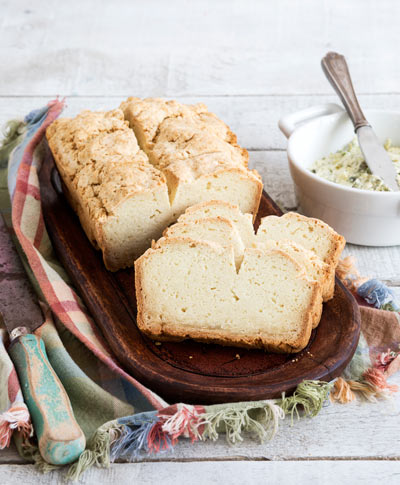
Table of Contents
A Classic Bread with a Long Tradition
Irish soda bread has been a beloved staple for generations. It was originally developed as a quick and easy loaf that could be baked on a griddle or in a hearth oven. Instead of yeast, this bread uses baking soda as its leavening agent. This means there’s no waiting for dough to rise — and that’s part of its appeal. Families could mix, shape, and bake a loaf in a fraction of the time it takes to make traditional yeast bread.
Today, soda bread is often associated with St. Patrick’s Day celebrations, Irish heritage dinners, and cozy family meals. It’s humble, homey, and always satisfying — especially when it comes out of the oven warm and aromatic.
Why This Version Works
What makes this gluten-free Irish soda bread stand out is how simple and approachable it is. There’s no yeast to fuss with, no special equipment required, and the ingredient list stays short and familiar. Yet despite its simplicity, the bread rises nicely and holds together beautifully. It also slices cleanly — a testament to the magic of baking soda and good technique.
The texture is tender and slightly chewy, with a crust that’s just firm enough to give a satisfying contrast to the soft interior. If you serve it warm, you’ll notice the subtle richness and slight tang that makes soda bread so easy to love.
A Bread for All Occasions
While soda bread often gets star billing around Irish holidays, it’s actually versatile enough to enjoy any time. Serve it with:
- Hearty soups and stews
- Breakfast with jam or honey
- Savory spreads and cheeses
- Afternoon tea or coffee
Because it’s not overly sweet or rich, this bread transitions beautifully across meals. It adds a warm, homemade touch wherever it’s served.
Tender Crumb, Golden Crust
A great soda bread strikes a balance between a tender interior and a golden, slightly crisp exterior. The key lies in mixing just until the dough comes together — not overworking it. Also, giving it enough time in a hot oven helps it develop color without drying out.
Once it’s baked, the aroma that fills the kitchen feels like a hug: warm, inviting, and deeply satisfying.
Simple, Rustic, and Perfectly Delicious
At its heart, Irish soda bread is humble. But humble doesn’t mean boring — far from it. This gluten-free version keeps all of the comforting qualities of the original. It also makes it accessible to those with dietary restrictions. In fact, it’s quick enough for weeknights, simple enough for novice bakers, and pretty enough for holiday tables.
If you’ve ever wanted to bake something that feels both timeless and effortless, this Irish soda bread is a perfect place to start.
A New Favorite in Your Baking Rotation
Whether you’re celebrating a holiday, sharing bread with friends, or simply craving something fresh and homemade, this gluten-free Irish soda bread delivers on all fronts. Its simplicity is part of its charm. In addition, its flavor ensures it won’t stay on the table for long.
Warm, rustic, and downright comforting — this bread is a reminder that the best things in baking are often the simplest.
More Saint Patrick’s Day Recipes
Gluten Free Irish Apple Cake with Custard Sauce
Dublin Coddle
Gluten Free Corned Beef & Cabbage Recipe

Irish Soda Bread
Ingredients
- Gluten-free nonstick cooking spray
- 4 cups gluten-free all-purpose flour
- 1½ teaspoons baking powder
- 1½ teaspoons baking soda
- 1½ teaspoons kosher or fine sea salt
- ¼ teaspoon cream of tartar
- 2 large eggs, room temperature
- 1¾ cups buttermilk or dairy-free buttermilk substitute
Instructions
- Preheat the oven to 375ºF. Generously spray a 9×5-inch loaf pan with cooking spray.
- In the bowl of an electric mixer fitted with the paddle attachment, combine the flour, baking powder, baking soda, salt, and cream of tartar. Mix on low until fully combined.
- Combine the eggs and buttermilk. Add to the flour mixture and mix until it comes together and forms a stiff dough. Transfer to the prepared pan. With a sharp knife, cut a cross about ½-inch deep into the top of the dough. Bake for 45-55 minutes or until browned and the bread sounds hollow when tapped. Let cool in the pan for 10 minutes then transfer to a wire rack to finish cooling. Cool for at least 2 hours before slicing and serving.
Notes
Nutrition
Nutrition information is automatically calculated, so should only be used as an approximation.



What’s a dairy free buttermilk substitute? And can you add currants or raisin to this?
Hi Jessica,
To make a dairy-free buttermilk substitute, you can add 1 tablespoon of lemon juice or apple cider vinegar to every 1 cup of plain dairy-free milk or yogurt and let it sit for 5 minutes to “sour” before using. And yes, currants or raisins should work just fine in this. Enjoy!
xo,
Carol