
Short Answer
Yes, almond flour is naturally gluten-free. Manufacturers make almond flour by grinding blanched almonds into a fine flour. Because almonds do not contain wheat, barley, or rye, pure almond flour is safe for people following a gluten-free diet.
As a result, almond flour has become one of the most popular ingredients in gluten-free baking. It adds moisture, richness, and a tender texture to baked goods while also providing protein, healthy fats, and fiber.
However, as with any packaged ingredient, it’s important to read labels carefully and choose products labeled gluten-free whenever possible.
What Is Almond Flour?
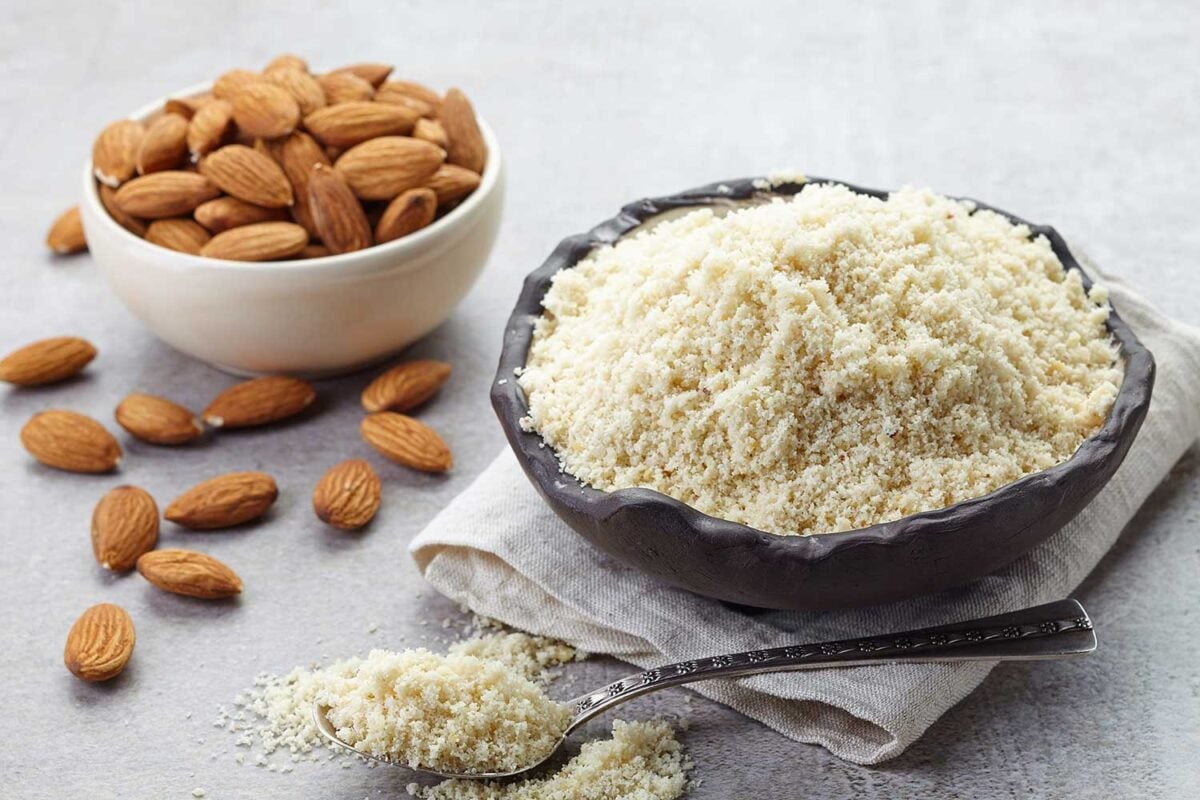
Almond flour is made from almonds that have been blanched to remove their skins and then finely ground into a soft flour.
Many gluten-free bakers use almond flour in:
- Cakes
- Cookies
- Muffins
- Quick breads
- Pancakes
- Pie crusts
- Grain-free recipes
Because almond flour has a mild flavor and soft texture, it works particularly well in baked goods where moisture and tenderness are important.
Additionally, many people choose almond flour because it is naturally grain-free and lower in carbohydrates than traditional wheat flour.
Is Almond Flour Safe for People with Celiac Disease?
Yes. Pure almond flour is naturally gluten-free and is generally considered safe for people with celiac disease and gluten sensitivity.
However, cross-contact can occur if manufacturers process almond flour in facilities that also handle wheat products.
For added confidence, look for:
- Gluten-free labeling
- Certified gluten-free products when available
- Clear allergen statements
As always, review packaging regularly because ingredients and manufacturing practices can change over time.
Almond Flour vs. Almond Meal
Many people use the terms almond flour and almond meal interchangeably. However, there are some important differences.
Almond Flour
Manufacturers make almond flour from blanched almonds with the skins removed.
As a result, almond flour:
- Has a finer texture
- Produces lighter baked goods
- Creates a smoother crumb
- Works well in cakes, cookies, and muffins
Almond Meal
Manufacturers typically make almond meal from whole almonds with the skins left intact.
As a result, almond meal:
- Has a coarser texture
- Contains small flecks of almond skin
- Produces denser baked goods
- Works well in rustic breads and coatings
Although the two ingredients can sometimes be substituted for one another, they do not always produce identical results.
Why Almond Flour Is So Popular in Gluten-Free Baking
Almond flour offers several advantages that make it a favorite among gluten-free bakers.
For example, almond flour:
- Adds moisture
- Creates a tender crumb
- Provides protein and healthy fats
- Helps prevent baked goods from drying out
- Contributes a rich flavor
Because of these qualities, many recipes use almond flour either alone or alongside ingredients such as:
- Rice flour
- Tapioca flour
- Xanthan gum
- Cornstarch
When combined thoughtfully, these ingredients can create baked goods that are every bit as delicious as their traditional counterparts.
To learn more, see:
- Is Rice Flour Gluten-Free?
- Is Tapioca Flour Gluten-Free?
- Is Xanthan Gum Gluten-Free?
- Is Cornstarch Gluten-Free?
Can You Substitute Almond Flour for Regular Flour?
Sometimes, but not always.
Unlike wheat flour, almond flour does not contain gluten. Therefore, it behaves very differently in recipes.
Compared to wheat flour, almond flour:
- Absorbs moisture differently
- Contains more fat
- Produces a denser texture
- Does not provide elasticity
For that reason, it is usually best to use recipes specifically developed for almond flour rather than making a direct substitution.
Who Should Avoid Almond Flour?
Although almond flour works well for many people, it is not suitable for everyone.
You should avoid almond flour if you have:
Tree Nut Allergies
Since almond flour is made entirely from almonds, it is not safe for individuals with almond or tree nut allergies.
Certain School or Workplace Restrictions
Some schools, camps, and workplaces prohibit nut products because of allergy concerns.
Nut-Free Dietary Needs
If you need a nut-free alternative, consider:
- Oat flour
- Rice flour
- Sorghum flour
- Tapioca flour
- Arrowroot starch blends
Depending on the recipe, these ingredients may provide a suitable substitute.
Almond Flour vs. Other Gluten-Free Flours
| Flour | Best Uses |
| Almond Flour | Cakes, muffins, cookies, quick breads |
| Rice Flour | Flour blends, cakes, muffins |
| Tapioca Flour | Elasticity, chewiness, breads |
| Oat Flour | Muffins, pancakes, cookies |
| Coconut Flour | High-fiber baking, specialty recipes |
Because each flour behaves differently, many successful gluten-free recipes use a blend of several ingredients rather than relying on a single flour.
Recipes Featuring Almond Flour
Almond flour creates moist cakes, tender biscuits, rich brownies, and flavorful breads. Because of its versatility, it’s one of the most widely used ingredients in gluten-free and grain-free baking.
Here are some of our favorite recipes featuring almond flour.
Almond Flour Bread with Goji Berries & Chocolate Chips
This wholesome quick bread showcases the tender texture and rich flavor almond flour can bring to gluten-free baking. The addition of goji berries and chocolate chips makes it both nutritious and satisfying.
Almond Flour Drop Biscuits
These easy biscuits highlight almond flour’s ability to create a soft interior while maintaining a lightly crisp exterior. They’re perfect for breakfast, brunch, or serving alongside dinner.
Almond flour and apples make a natural pairing. In this recipe, almond flour contributes moisture and richness while allowing the fruit flavors to shine.
Flourless Christmas Tree Brownies
These festive brownies demonstrate how almond flour can help create rich, fudgy desserts without relying on traditional flour.
Grain-Free Limoncello Almond Cake
This elegant cake showcases almond flour at its best. The flour creates a delicate crumb while complementing the bright citrus flavor of limoncello.
Why We Use Almond Flour So Often in Gluten-Free Baking
Almond flour adds moisture, richness, and structure to baked goods while helping create a more satisfying texture than many starch-based recipes alone.
In addition, almond flour pairs exceptionally well with other gluten-free baking ingredients such as rice flour, tapioca flour, and xanthan gum. As a result, it appears in countless gluten-free and grain-free recipes.
If you’re building a gluten-free pantry, you’ll also find helpful information in our:
- Is Rice Flour Gluten-Free?
- Is Xanthan Gum Gluten-Free?
- Is Cornstarch Gluten-Free?
- Is Baking Powder Gluten-Free?
Frequently Asked Questions
Yes. Pure almond flour is naturally gluten-free because it is made entirely from almonds.
Yes. Almond meal is also naturally gluten-free unless it has been contaminated during processing.
Yes. Pure almond flour is considered safe for people with celiac disease.
Almond flour contains more protein, healthy fats, and fiber than traditional wheat flour. However, the best choice depends on individual dietary needs.
Not directly. Almond flour behaves differently than wheat flour and usually requires recipes specifically designed for it.
Many people following low-carbohydrate and ketogenic diets use almond flour because it contains fewer carbohydrates than traditional flour.
Yes. Almond flour is made from almonds and is not suitable for individuals with tree nut allergies.
The Bottom Line
Almond flour is naturally gluten-free and serves as one of the most popular ingredients in gluten-free and grain-free baking. Its rich flavor, tender texture, and nutritional benefits make it a favorite choice for cakes, cookies, muffins, breads, and countless other recipes.
At the same time, almond flour behaves very differently from traditional wheat flour. Understanding how it works, when to use it, and how it compares to other gluten-free flours can help you achieve better results in the kitchen.
As always, choose products labeled gluten-free when possible and review packaging regularly since manufacturing practices and allergen statements can change over time.
bout Our Ingredient Guides
At Gluten Free & More, our editorial team, recipe developers, and gluten-free advocates use their years of experience to research ingredients, develop recipes, and create ingredient guides that help readers navigate gluten-free living with confidence.
We strive to provide clear, practical, and up-to-date information based on ingredient labels, manufacturer information, industry resources, and current gluten-free best practices. Because product formulations and manufacturing processes can change, we always recommend reviewing labels and allergen statements before purchasing.
Whether you’re newly diagnosed with celiac disease, managing gluten sensitivity, or simply exploring gluten-free living, we strive to make gluten-free ingredients easier to understand so you can cook, bake, and shop with confidence.
Our Commitment to Accuracy
Food manufacturers occasionally change ingredients, allergen statements, and production practices. While we make every effort to keep our ingredient guides current, readers should always verify information directly from product packaging and manufacturer websites.
If you notice a product update or believe information on this page needs review, please contact us so we can continue improving our resources for the gluten-free community.
Explore More Gluten-Free Ingredient Guides
Want to learn more about gluten-free ingredients and how to safely stock your pantry? Explore these helpful guides:
Gluten-Free Condiments & Sauces
- Is Soy Sauce Gluten-Free?
- Is Tamari Gluten-Free?
- Is Rice Vinegar Gluten-Free?
- Is Ponzu Sauce Gluten-Free?
- Is Miso Gluten-Free?
- Is Worcestershire Sauce Gluten-Free?
Gluten-Free Baking Ingredients
- Is Rice Flour Gluten-Free?
- Is Cornstarch Gluten-Free?
- Is Baking Powder Gluten-Free?
- Is Xanthan Gum Gluten-Free?
- Is Tapioca Flour Gluten-Free?
Gluten-Free Grains & Basics
Gluten-Free Living Resources
- Ultimate Guide to the Gluten-Free Diet
- Setting Up Your Gluten-Free Kitchen
- Ultimate Guide to Gluten-Free Baking
We regularly update our gluten-free ingredient guides to help you identify safe foods, avoid hidden sources of gluten, and cook with confidence.
Updated June, 2026