
Short Answer
Yes, most baking powder is gluten-free, but not all brands are created equal. While baking powder is typically made from naturally gluten-free ingredients, some products use starches or are processed in facilities that may introduce cross-contamination. For the safest option, choose baking powder that is clearly labeled gluten-free.
What Is Baking Powder?
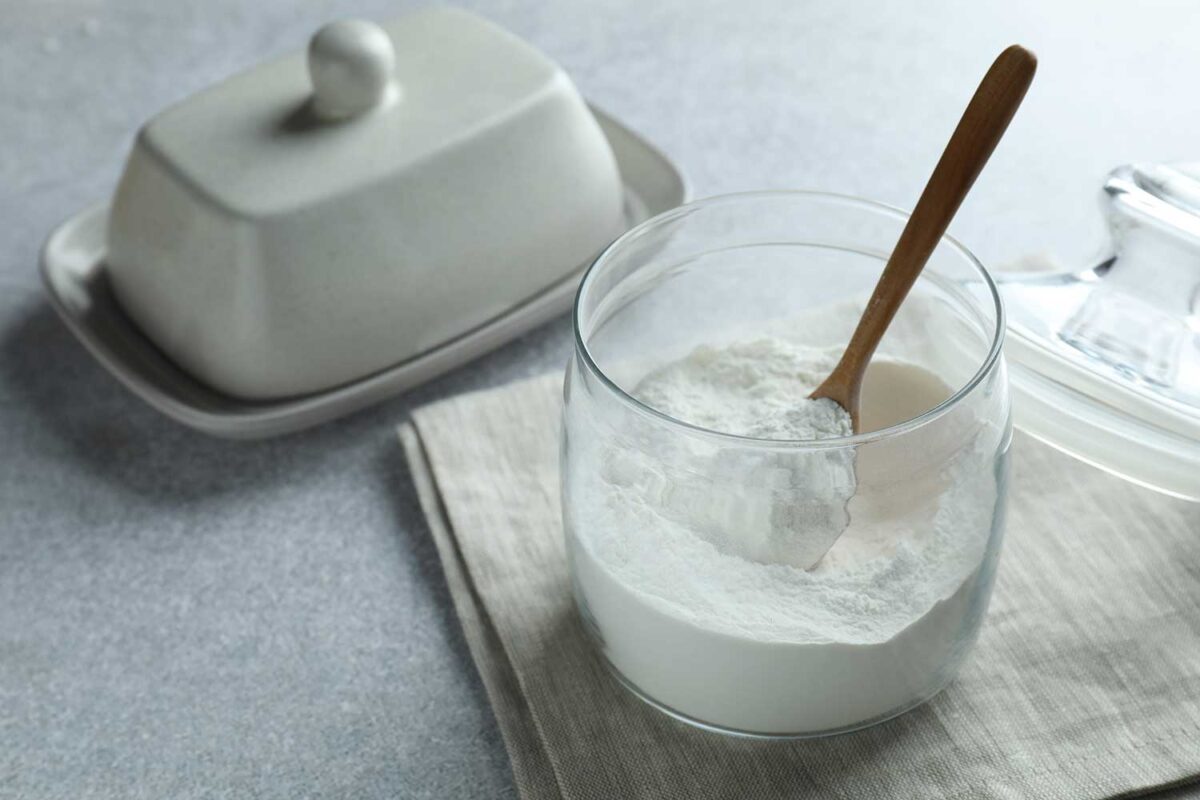
Baking powder is a leavening agent we use in baking to help baked goods rise. It works by releasing carbon dioxide gas when it comes into contact with moisture and heat, creating light and fluffy textures in recipes like cakes, muffins, pancakes, and biscuits.
Most baking powders contain three basic ingredients:
- A base (usually baking soda)
- An acid (such as cream of tartar or sodium acid pyrophosphate)
- A starch to prevent clumping and absorb moisture
Is Baking Powder Safe for a Gluten-Free Diet?
In most cases, yes. The core ingredients in baking powder are naturally gluten-free. However, safety depends on the brand and how it’s produced.
We always recommend checking labels carefully because:
- Some brands use wheat-derived starches
- Some products may be processed on shared equipment with gluten-containing ingredients
- Some labeling is unclear about allergen handling
When in doubt, choose a product labeled gluten-free.
Why Baking Powder Confuses People
We hear this question a lot, and it makes sense.
Many people assume baking powder contains gluten because:
- It’s used in baked goods (which often contain flour)
- It’s sometimes confused with baking soda
- It includes “starch,” which people associate with wheat
The truth is simple: baking powder itself does not need wheat to work. The concern comes down to the type of starch used and how the product is manufactured.
When Baking Powder May NOT Be Gluten-Free
Even though baking powder is usually safe, there are a few exceptions:
Wheat-Based Starches
Some brands may use wheat-derived starch as an anti-caking agent. This is not common, but it can happen.
Cross-Contamination
If baking powder is produced in a facility that also processes wheat, there may be a risk of cross-contact.
Flavored or Specialty Blends
Occasionally, specialty baking mixes or flavored baking powders may contain gluten-containing additives.
How to Choose Gluten-Free Baking Powder
When shopping, we recommend looking for:
- A certified gluten-free label
- Simple ingredient lists
- Brands that clearly state allergen controls
- Cornstarch-based or arrowroot-based starches instead of wheat-based starches
If you are highly sensitive or have celiac disease, certification adds an extra layer of confidence.
Baking Powder vs. Baking Soda
These two ingredients are often confused, but they are not the same:
- Baking soda is pure sodium bicarbonate and is naturally gluten-free
- Baking powder contains baking soda plus acids and starches
In gluten-free baking, both are commonly used, but baking powder is more likely to raise questions due to its added ingredients.
Gluten-Free Recipes That Use Baking Powder
Baking powder plays an important role in many gluten-free recipes. We use it to create lift and texture in:
Gluten-Free Cakes
It helps create soft, airy crumb structures.
Muffins and Quick Breads
It gives rise without yeast, making baking faster and easier.
Pancakes and Waffles
It creates fluffy, tender textures.
Biscuits
It helps achieve a light, layered structure.
Gluten-Free Baking Mixes
It often works alongside gluten-free flour blends for consistent results.
Frequently Asked Questions
No. While most baking powders are naturally gluten-free, some may contain wheat-derived starch or be exposed to cross-contamination. Always check labels.
Baking powder typically contains baking soda, an acid (like cream of tartar), and a starch to prevent clumping.
Yes. Baking powder is commonly used in gluten-free baking to help baked goods rise and achieve a light texture.
Yes. Baking soda is naturally gluten-free.
The best option is one that is clearly labeled gluten-free and produced in a facility that avoids cross-contamination. Check out Bob’s Red Mill and Mom’s
Yes! Simply whisk together 1 tablespoon Baking Soda, 2 tablespoons Cream of Tartar. and 1 tablespoon Arrowroot Starch or Tapioca Starch (this prevents clumping). Store in an airtight container in a cool, dry place.
The standard rule of thumb is to use 1 to 1.5 teaspoons of baking powder per 1 cup of flour. This ratio yields the perfect lift for most baked goods like quick breads, cakes, and muffins.
Depending on your specific bake, you may want to tweak this ratio:
Standard Cakes & Muffins: ½ to 1 teaspoon per cup of flour.
Pancakes & Waffles: 1 ½ to 2 teaspoons per cup of flour for a lighter, fluffier rise.
To make “Self-Rising” Flour: Add 1 ½ teaspoons of baking powder and ½ teaspoon of salt to 1 cup of all-purpose flour
the bottom line
Baking powder is generally gluten-free, but like many pantry staples, the details matter. We always encourage readers to check ingredient labels, understand sourcing, and choose brands that clearly identify themselves as gluten-free.
With the right product, baking powder is a reliable and essential ingredient in gluten-free baking, helping create light, fluffy, and delicious results in everything from cakes to pancakes.
About Our Ingredient Guides
At Gluten Free & More, our editorial team, recipe developers, and gluten-free advocates use their years of experience to research ingredients, develop recipes, and create ingredient guides that help readers navigate gluten-free living with confidence.
We strive to provide clear, practical, and up-to-date information based on ingredient labels, manufacturer information, industry resources, and current gluten-free best practices. Because product formulations and manufacturing processes can change, we always recommend reviewing labels and allergen statements before purchasing.
Whether you’re newly diagnosed with celiac disease, managing gluten sensitivity, or simply exploring gluten-free living, we strive to make gluten-free ingredients easier to understand so you can cook, bake, and shop with confidence.
Our Commitment to Accuracy
Food manufacturers occasionally change ingredients, allergen statements, and production practices. While we make every effort to keep our ingredient guides current, readers should always verify information directly from product packaging and manufacturer websites.
If you notice a product update or believe information on this page needs review, please contact us so we can continue improving our resources for the gluten-free community.
Explore More Gluten-Free Ingredient Guides
Want to learn more about gluten-free ingredients and how to safely stock your pantry? Explore these helpful guides:
Gluten-Free Condiments & Sauces
- Is Soy Sauce Gluten-Free?
- Is Tamari Gluten-Free?
- Is Rice Vinegar Gluten-Free?
- Is Ponzu Sauce Gluten-Free?
- Is Miso Gluten-Free?
- Is Worcestershire Sauce Gluten-Free?
- Is Fish Sauce Gluten-Free?
Gluten-Free Baking Ingredients
- Is Rice Flour Gluten-Free?
- Is Cornstarch Gluten-Free?
- Is Baking Powder Gluten-Free?
- Is Xanthan Gum Gluten-Free?
Gluten-Free Grains & Basics
Gluten-Free Living Resources
- Ultimate Guide to the Gluten-Free Diet
- Setting Up Your Gluten-Free Kitchen
- Ultimate Guide to Gluten-Free Baking
We regularly update our gluten-free ingredient guides to help you identify safe foods, avoid hidden sources of gluten, and cook with confidence.
Updated June, 2026