
If you’ve ever thickened a gravy, sauce, soup, or pie filling, chances are you’ve used cornstarch. But if you’re following a gluten-free diet, you may be wondering whether cornstarch is actually safe for people with celiac disease.
The good news is that cornstarch is naturally gluten-free. However, as with many ingredients, there are a few important considerations when it comes to manufacturing, labeling, and cross-contact.
At Gluten Free & More, we’re often asked about pantry staples like cornstarch because they appear in so many recipes. Understanding which ingredients are naturally gluten-free, and which require a closer look, can help you cook and bake with confidence.
Quick Answer: Is Cornstarch Gluten-Free?
Yes, pure cornstarch is naturally gluten-free.
Cornstarch is made from the starchy part of the corn kernel and does not contain wheat, barley, rye, or gluten.
For most people with celiac disease or gluten sensitivity, plain cornstarch is considered safe.
What Is Cornstarch?
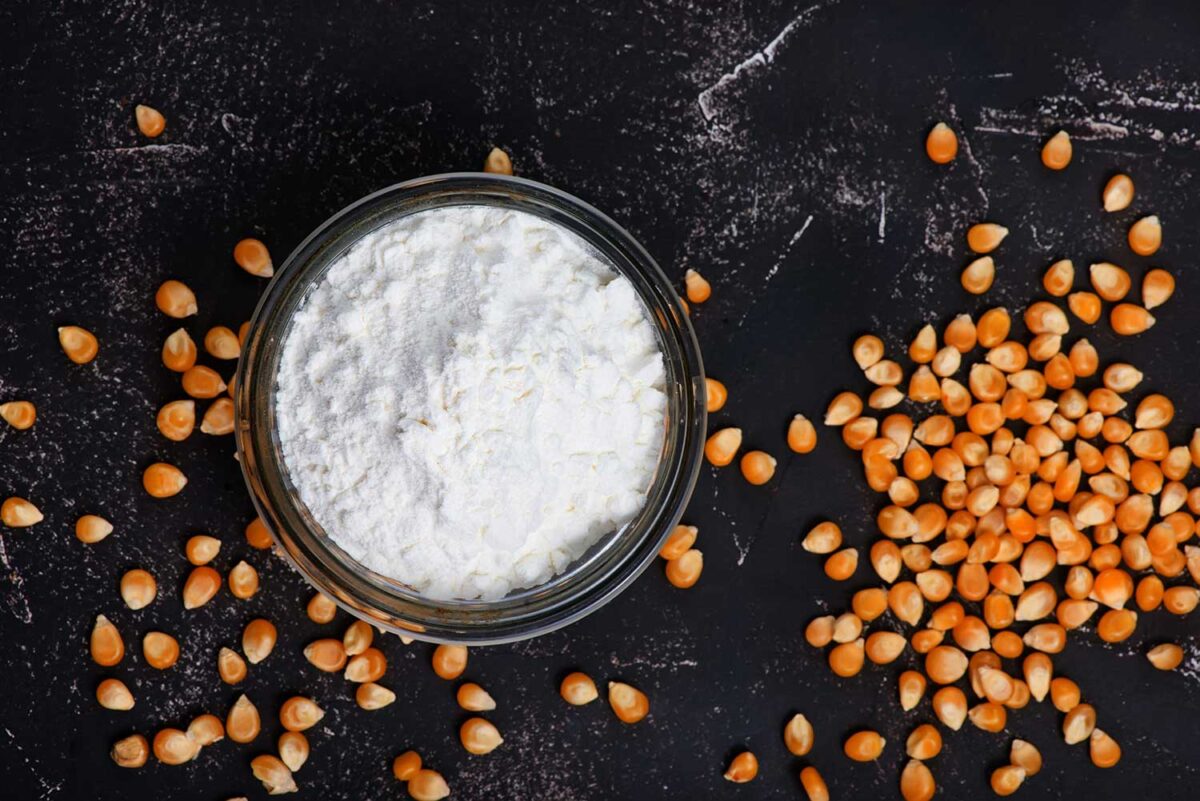
Cornstarch is a fine white powder made by separating and processing the starch found in corn kernels.
Commonly used to:
- Thicken sauces and gravies
- Create silky pie fillings
- Improve the texture of baked goods
- Coat proteins before cooking
- Make crispy fried foods
Because it is flavorless and highly effective, cornstarch is one of the most common ingredients found in both home and commercial kitchens.
Can Cornstarch Contain Gluten?
While cornstarch itself is gluten-free, some products may be at risk for cross-contact during manufacturing.
Cross-contact can occur when cornstarch is processed in facilities that also handle wheat or other gluten-containing grains.
For this reason, people with celiac disease may prefer products that are clearly labeled gluten-free or certified gluten-free.
Is Cornstarch Safe for People with Celiac Disease?
Generally, yes.
Pure cornstarch is considered safe for people with celiac disease because it does not naturally contain gluten.
If you are highly sensitive to cross-contact, choose products that carry a gluten-free label and always review ingredient statements before purchasing.
What’s the Difference Between Cornstarch and Corn Flour?
Cornstarch and corn flour are not the same thing.
Cornstarch
- Made from the starchy part of the kernel
- Used primarily as a thickener
- Fine, powdery texture
Corn Flour
- Made from the entire corn kernel
- Used in baking and cooking
- Different texture and flavor
Both may be gluten-free, but they should not be substituted interchangeably in most recipes.
Can Cornstarch Be Used in Gluten-Free Baking?
Absolutely.
Cornstarch is commonly used in gluten-free baking because it helps create lighter textures and softer crumb structures.
You’ll often find it in:
- Gluten-free flour blends
- Cakes
- Cookies
- Muffins
- Quick breads
- Pie fillings
It is one of the most widely used ingredients in gluten-free baking.
Common Foods Made with Cornstarch
Cornstarch is often found in:
- Gravies
- Sauces
- Soups
- Puddings
- Pie fillings
- Stir-fries
- Gluten-free baked goods
When purchasing packaged foods, always review labels since other ingredients may contain gluten even when cornstarch itself does not.
Corn-Free Ingredient Alternatives
If you have a corn allergy or are avoiding corn, there are several easy swaps you can use in this recipe without sacrificing texture or flavor. Many common gluten-free ingredients, including cornstarch and certain baking powders, contain corn-derived ingredients, so it’s important to read labels carefully.
Cornstarch alternatives:
- Arrowroot starch (1:1 substitute, great for thickening sauces)
- Tapioca starch/flour (1:1 substitute, slightly more elastic texture)
- Potato starch (best for crisping and thickening, use 1:1)
Corn-based baking powder alternatives:
- Aluminum-free baking powder labeled “corn-free”
- Homemade version: baking soda + cream of tartar (use as directed in recipe adjustments)
Other hidden corn ingredients to watch for:
- Dextrose and maltodextrin (often corn-derived unless specified otherwise)
- Modified food starch (check source on packaging)
- Some vinegars and citric acid (varies by brand)
When in doubt, choose products specifically labeled “corn-free” or certified allergen-friendly.
Frequently Asked Questions
Yes, cornstarch is derived from corn and does not naturally contain gluten.
Yes. Pure cornstarch is generally considered safe for people with celiac disease.
No. Cornstarch is a pure starch, while flour contains protein and other components. They perform very differently in recipes.
No. Pure cornstarch is made from corn, not wheat.
Yes. Cornstarch is a popular gluten-free alternative to wheat flour for thickening gravies, sauces, and soups. But not all gluten-free flour blends contain cornstarch.
Yes. Cornstarch is a popular gluten-free alternative to wheat flour for thickening gravies, sauces, and soups.
Yes. Cornstarch is widely used in cakes, cookies, pastries, and gluten-free baked goods.
The Bottom Line
Cornstarch is naturally gluten-free and is generally considered safe for people with celiac disease and gluten sensitivity. Because manufacturers can process cornstarch in facilities that also handle wheat and other gluten-containing ingredients, it’s always important to read labels carefully and choose products that are clearly labeled gluten-free whenever possible.
Whether you’re thickening sauces, making gravy, creating crispy coatings, or baking gluten-free treats, cornstarch remains one of the most useful ingredients in a gluten-free kitchen. Understanding how to use it—and when to choose alternatives like arrowroot starch or tapioca starch, can help you achieve better results in both cooking and baking.
As with any packaged ingredient, review labels regularly since ingredients, manufacturing practices, and allergen statements can change over time. With a little label reading and awareness, cornstarch can be a reliable staple in your gluten-free pantry.
About Our Ingredient Guides
At Gluten Free & More, our editorial team, recipe developers, and gluten-free advocates use their years of experience to research ingredients, develop recipes, and create ingredient guides that help readers navigate gluten-free living with confidence.
We strive to provide clear, practical, and up-to-date information based on ingredient labels, manufacturer information, industry resources, and current gluten-free best practices. Because product formulations and manufacturing processes can change, we always recommend reviewing labels and allergen statements before purchasing.
Whether you’re newly diagnosed with celiac disease, managing gluten sensitivity, or simply exploring gluten-free living, we strive to make gluten-free ingredients easier to understand so you can cook, bake, and shop with confidence.
Our Commitment to Accuracy
Food manufacturers occasionally change ingredients, allergen statements, and production practices. While we make every effort to keep our ingredient guides current, readers should always verify information directly from product packaging and manufacturer websites.
If you notice a product update or believe information on this page needs review, please contact us so we can continue improving our resources for the gluten-free community.
Explore More Gluten-Free Ingredient Guides
Want to learn more about gluten-free ingredients and how to safely stock your pantry? Explore these helpful guides:
Gluten-Free Condiments & Sauces
- Is Soy Sauce Gluten-Free?
- Is Tamari Gluten-Free?
- Is Rice Vinegar Gluten-Free?
- Is Ponzu Sauce Gluten-Free?
- Is Miso Gluten-Free?
- Is Worcestershire Sauce Gluten-Free?
- Is Fish Sauce Gluten-Free?
Gluten-Free Baking Ingredients
- Is Rice Flour Gluten-Free?
- Is Cornstarch Gluten-Free?
- Is Baking Powder Gluten-Free?
- Is Xanthan Gum Gluten-Free?
Gluten-Free Grains & Basics
Gluten-Free Living Resources
- Ultimate Guide to the Gluten-Free Diet
- Setting Up Your Gluten-Free Kitchen
- Ultimate Guide to Gluten-Free Baking
We regularly update our gluten-free ingredient guides to help you identify safe foods, avoid hidden sources of gluten, and cook with confidence.
Updated June, 2026