

Short Answer
Yes, tamari is generally gluten-free and is often considered one of the best alternatives to traditional soy sauce for people with celiac disease or gluten sensitivity. Unlike conventional soy sauce, which is usually brewed with wheat, tamari is traditionally made primarily from soybeans and little to no wheat.
However, not all tamari products are gluten-free. Some brands may add wheat or produce their products in facilities where cross-contact can occur. For the safest choice, look for tamari that is clearly labeled gluten-free.
What Is Tamari?
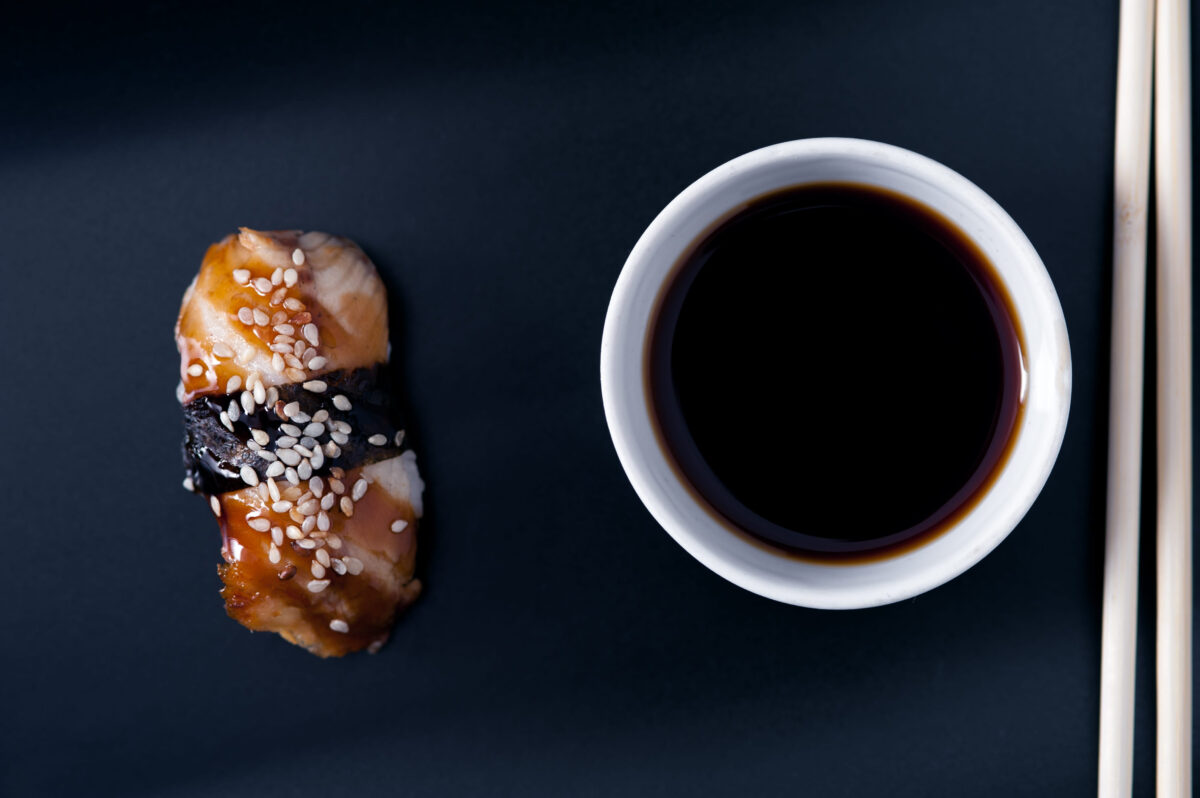
Tamari is a Japanese soy sauce known for its rich umami flavor, smooth taste, and slightly thicker consistency. Unlike traditional soy sauce, tamari is made with more soybeans and little to no wheat, making it a popular choice for gluten-free cooking.
Because of its deep flavor and versatility, tamari has become a staple ingredient in many gluten-free kitchens.
Tamari is commonly used in:
- Stir-fries
- Marinades
- Salad dressings
- Dipping sauces
- Soups and broths
- Rice and noodle dishes
Why Is Tamari Usually Gluten-Free?
Traditional soy sauce is typically made from a combination of soybeans and wheat. Tamari, on the other hand, is generally brewed with soybeans and little to no wheat.
This difference in ingredients is why tamari is often considered safe for gluten-free diets.
That said, recipes and manufacturing practices vary from brand to brand. Some tamari products may contain wheat or be processed on shared equipment. Always read labels carefully and choose products that clearly state they are gluten-free.
Is Tamari Safe for People with Celiac Disease?
In most cases, yes.
Many people with celiac disease rely on tamari as a gluten-free substitute for soy sauce. However, safety depends on the specific product and manufacturer.
When shopping, look for:
- A clear gluten-free label
- Allergen statements identifying wheat-free production
- Brands that follow strict allergen-control practices
If you are highly sensitive to gluten, certified gluten-free products may provide additional peace of mind.
Tamari vs. Soy Sauce
Although they look similar, tamari and soy sauce are not exactly the same.
| Tamari | Soy Sauce |
| Usually made without wheat | Typically contains wheat |
| Rich, smooth umami flavor | Saltier, sharper flavor |
| Slightly thicker consistency | Thinner consistency |
| Often gluten-free | Usually not gluten-free |
| Popular gluten-free substitute | Not suitable unless labeled gluten-free |
If you’re unsure about traditional soy sauce, be sure to read our guide to Is Soy Sauce Gluten-Free?
When Tamari May Not Be Gluten-Free
While tamari is generally considered gluten-free, there are exceptions.
Some Brands Contain Wheat
Not all manufacturers follow traditional tamari recipes. Some products include wheat as an ingredient, making them unsuitable for a gluten-free diet.
Flavored Tamari Products
Specialty varieties such as teriyaki tamari or flavored tamari sauces may contain additional ingredients that introduce gluten.
Cross-Contact During Production
Even wheat-free tamari may be manufactured in facilities that also process wheat-containing products.
Restaurant Dishes
Restaurants may use traditional soy sauce instead of tamari, even when a dish is described as gluten-friendly. Always ask questions when dining out.
How to Choose Gluten-Free Tamari
To select a safe product:
- Look for products labeled gluten-free
- Read ingredient lists carefully
- Check allergen statements
- Choose trusted manufacturers with transparent labeling
- Avoid products with unclear flavorings or ingredients
When in doubt, contact the manufacturer directly.
Popular Uses for Tamari in Gluten-Free Cooking
Tamari is one of the most versatile condiments in a gluten-free pantry.
Stir-Fries
Use tamari in place of traditional soy sauce for vegetables, chicken, beef, shrimp, or tofu stir-fries.
Marinades
Combine tamari with garlic, ginger, sesame oil, citrus juice, or honey for flavorful marinades.
Salad Dressings
Whisk tamari with rice vinegar and olive oil for a simple homemade dressing.
Dipping Sauces
Tamari works beautifully as a dipping sauce for sushi, spring rolls, dumplings, and grilled meats.
Soups and Broths
Add a splash of tamari to soups and broths to boost savory flavor.
Fried Rice
Use tamari to season fried rice while keeping the dish gluten-free.
Tamari, Rice Vinegar, and Ponzu Sauce
Tamari is frequently used in gluten-free versions of Asian-inspired sauces and condiments.
One example is ponzu sauce, a bright citrus-based condiment often made with soy sauce or tamari, citrus juice, rice vinegar, and seasonings.
Because many ponzu sauces use traditional soy sauce, they are not always gluten-free. However, some brands use gluten-free tamari instead.
For example, Marukan’s Premium Soy Ponzu products, including Yuzu Ponzu and Sudachi Ponzu, are made with gluten-free tamari and are labeled gluten-free.
If you’re interested in learning more about related ingredients, check out our guides to Is Rice Vinegar Gluten-Free? and Is Soy Sauce Gluten-Free?
Frequently Asked Questions
No. While tamari is traditionally made without wheat, some brands may contain wheat or be produced in facilities where cross-contact is possible.
For most people following a gluten-free diet, tamari is the preferred choice because it is typically made without wheat.
Yes. Tamari can usually be substituted for soy sauce in a one-to-one ratio.
Most tamari products are naturally dairy-free, but always check labels for flavored varieties.
Most tamari products contain very few carbohydrates, making them suitable for many low-carb and keto lifestyles.
Tamari is widely considered the closest gluten-free substitute to traditional soy sauce in both flavor and function.
the bottom line
Tamari is generally gluten-free and is one of the easiest ways to enjoy the savory flavor of soy sauce while following a gluten-free diet. Because ingredients and manufacturing practices can vary between brands, it’s important to read labels carefully and choose products that clearly identify their gluten-free status.
Whether you’re making stir-fries, marinades, dipping sauces, or homemade dressings, tamari is a versatile ingredient that can help bring rich umami flavor to your favorite gluten-free recipes.
About Our Ingredient Guides
At Gluten Free & More, our editorial team, recipe developers, and gluten-free advocates use their years of experience to research ingredients, develop recipes, and create ingredient guides that help readers navigate gluten-free living with confidence.
We strive to provide clear, practical, and up-to-date information based on ingredient labels, manufacturer information, industry resources, and current gluten-free best practices. Because product formulations and manufacturing processes can change, we always recommend reviewing labels and allergen statements before purchasing.
Whether you’re newly diagnosed with celiac disease, managing gluten sensitivity, or simply exploring gluten-free living, we strive to make gluten-free ingredients easier to understand so you can cook, bake, and shop with confidence.
Our Commitment to Accuracy
Food manufacturers occasionally change ingredients, allergen statements, and production practices. While we make every effort to keep our ingredient guides current, readers should always verify information directly from product packaging and manufacturer websites.
If you notice a product update or believe information on this page needs review, please contact us so we can continue improving our resources for the gluten-free community.
Explore More Gluten-Free Ingredient Guides
Want to learn more about gluten-free ingredients and how to safely stock your pantry? Explore these helpful guides:
Gluten-Free Condiments & Sauces
- Is Soy Sauce Gluten-Free?
- Is Tamari Gluten-Free?
- Is Rice Vinegar Gluten-Free?
- Is Ponzu Sauce Gluten-Free?
- Is Miso Gluten-Free?
- Is Worcestershire Sauce Gluten-Free?
- Is Fish Sauce Gluten-Free?
Gluten-Free Baking Ingredients
- Is Rice Flour Gluten-Free?
- Is Cornstarch Gluten-Free?
- Is Baking Powder Gluten-Free?
- Is Xanthan Gum Gluten-Free?
Gluten-Free Grains & Basics
Gluten-Free Living Resources
- Ultimate Guide to the Gluten-Free Diet
- Setting Up Your Gluten-Free Kitchen
- Ultimate Guide to Gluten-Free Baking
We regularly update our gluten-free ingredient guides to help you identify safe foods, avoid hidden sources of gluten, and cook with confidence.
Updated June, 2026